Night Guards in Algonquin, IL: How to Protect Your Teeth From Grinding and Clenching


Teeth are designed to handle the forces of normal chewing, but repeated grinding and clenching can expose them to pressure for hours at a time. Many patients grind their teeth while sleeping and do not realize it until they develop worn enamel, cracked restorations, jaw soreness, or morning headaches. Dental Symphony offers custom night guards in Algonquin, IL as part of preventive dental care for patients who need additional protection from nighttime grinding or clenching.
A custom night guard creates a protective barrier between the upper and lower teeth. It does not necessarily eliminate the underlying habit, but it can help reduce direct tooth-to-tooth wear and protect natural enamel, fillings, crowns, veneers, and other dental restorations.
Understanding the signs of grinding, how a custom appliance works, and how to care for a night guard can help patients prevent gradual damage before a tooth fractures or restorative work fails.
What Is Teeth Grinding?
Teeth grinding is the repeated rubbing or movement of the upper and lower teeth against one another. The clinical term is bruxism.
Clenching is slightly different. Instead of sliding the teeth, a patient presses the upper and lower arches together with significant force.
Some patients experience both behaviors.
Grinding can occur while awake, but sleep-related bruxism can be especially difficult to identify because the patient is unconscious when it happens.
How Do You Know If You Grind Your Teeth?
Many patients are surprised when a dentist points out signs of grinding because they have never heard or felt themselves doing it.
Possible signs include:
- Flattened tooth surfaces
- Shortened teeth
- Small enamel fractures
- Chipped teeth
- Repeatedly damaged fillings
- Cracked crowns
- Jaw soreness
- Morning headaches
- Facial muscle fatigue
- Tooth sensitivity
- Changes in the way the bite feels
- A partner hearing grinding sounds during sleep
No single symptom proves that bruxism is present. A dental examination can help identify patterns consistent with excessive bite pressure.
Why Grinding Can Damage Teeth
Natural chewing typically involves periods of pressure separated by rest. Grinding and clenching can create prolonged forces that the teeth were not designed to handle continuously.
Over time, these forces can wear away enamel and place stress on restorations.
Possible consequences include:
- Loss of tooth structure
- Cracks
- Chips
- Increased sensitivity
- Broken fillings
- Damaged crowns or veneers
- Jaw muscle soreness
Damage can occur gradually enough that the patient does not notice until a significant amount of enamel has already been lost.
What Is a Custom Night Guard?
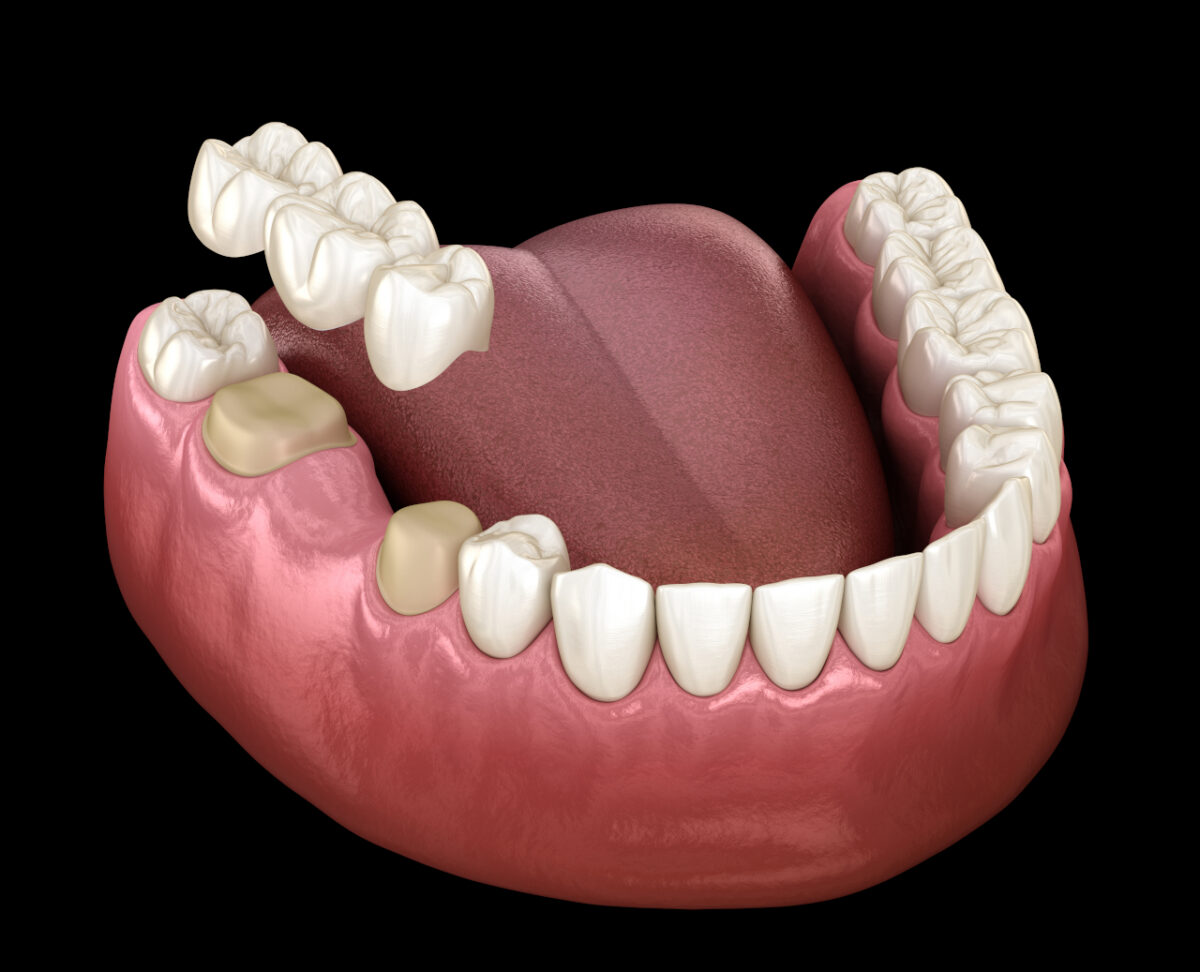
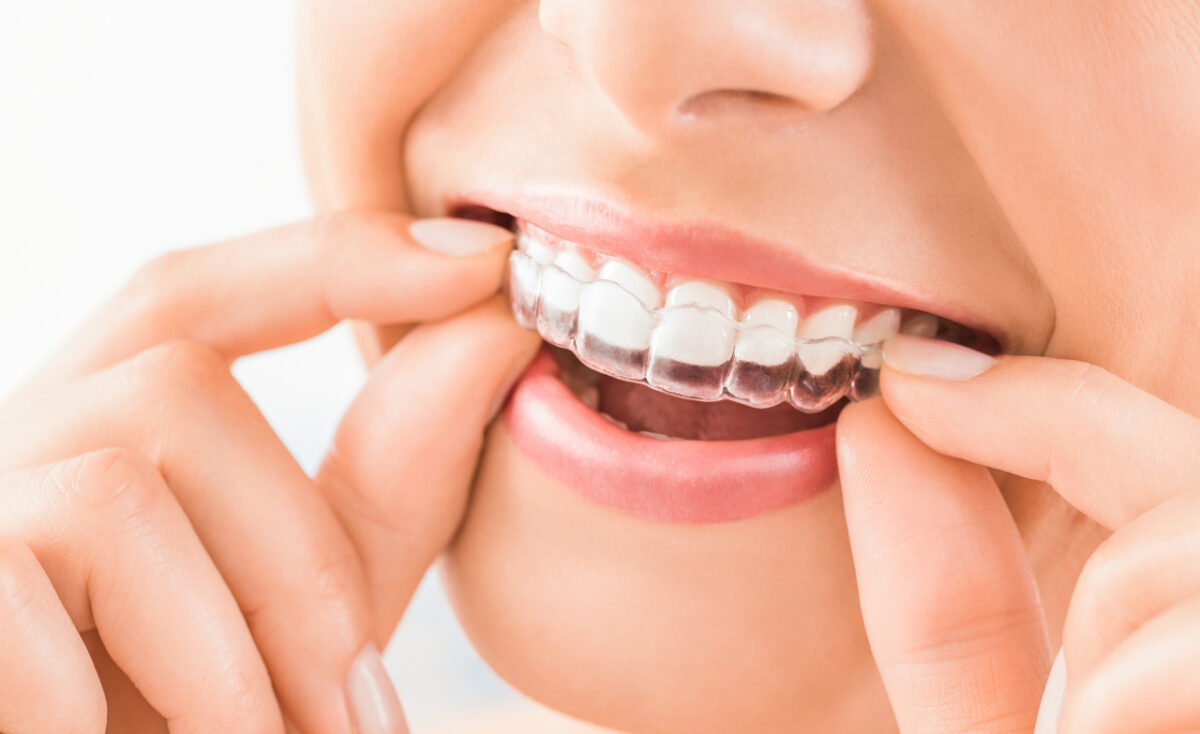
A custom night guard is an oral appliance designed from records of the patient’s teeth.
The guard fits over one dental arch and creates a protective surface between the upper and lower teeth.
Unlike a generic athletic mouthguard, a night guard is specifically designed for sleeping and managing bite forces associated with clenching and grinding.
The appliance should fit securely enough to remain in place throughout the night without requiring the patient to bite down to hold it.
How Does a Night Guard Protect Teeth?
The guard separates the tooth surfaces so the enamel does not grind directly against opposing enamel.
Instead of repeated tooth-to-tooth contact, the bite is distributed across the appliance.
This can help protect:
- Natural enamel
- Dental fillings
- Dental crowns
- Porcelain veneers
- Dental bridges
- Implant restorations
- Other restorative work
The guard itself may show wear over time, which can demonstrate how much force would otherwise have been directed toward the teeth.
Benefits of Custom Night Guards
- Protection against enamel wear: The appliance reduces direct grinding between opposing teeth.
- Protection of dental restorations: Crowns, veneers, fillings, and bridges may benefit from reduced direct pressure.
- Custom fit: The guard is created from records of the patient’s mouth rather than using a universal shape.
- Improved stability: A properly fitted guard can remain in position during sleep.
- Comfort: Customization can reduce unnecessary bulk compared with generic appliances.
- Protection from fractures: Reducing direct clenching and grinding pressure may help limit stress on vulnerable teeth.
- Long-term preventive value: Protecting healthy enamel may help reduce the need for future restorative treatment.
Custom Night Guard Versus Store-Bought Guard
Over-the-counter guards are widely available, including boil-and-bite products that soften in hot water before being shaped around the teeth.
These products may provide some protection for certain users, but they are created from standard sizes and materials.
A custom night guard is created specifically for the patient’s bite and tooth positions.
Advantages of customized fit may include:
- Better retention
- Less bulk
- More precise bite contact
- Greater comfort during sleep
- Better accommodation of existing dental work
A poorly fitting appliance can be uncomfortable and may be difficult to wear consistently.
Night Guard Versus Athletic Mouthguard
Although both appliances cover the teeth, they are designed for different purposes.
An athletic mouthguard is designed to absorb impact during sports and recreational activity.
A night guard is designed to manage forces associated with grinding and clenching during sleep.
Patients should not assume one appliance can automatically substitute for the other.
What Happens During a Night Guard Appointment?
The process begins with an examination of the teeth, gums, bite, and existing restorations.
The dentist may look for:
- Flattened enamel
- Cracked teeth
- Damaged fillings
- Worn crowns
- Jaw tenderness
- Changes in tooth length
- Other evidence of heavy bite forces
Impressions or digital scans are then used to record the dental arch.
The appliance is fabricated according to these records. At the delivery appointment, the fit and bite are checked and adjusted as needed.
What Does a Night Guard Feel Like?
Any appliance covering the teeth can feel noticeable at first.
The tongue may repeatedly explore the guard during the first few nights. Saliva production may temporarily increase because the mouth recognizes the appliance as something new.
Most patients become more accustomed to the guard with consistent use.
An appliance that repeatedly falls out, causes significant pain, or prevents the mouth from closing comfortably should be evaluated.
Can a Night Guard Stop Grinding Completely?
A night guard is primarily designed to protect the teeth from the effects of grinding and clenching. It does not guarantee that the underlying muscle activity will completely stop.
Some patients may still clench against the appliance, but the direct tooth-to-tooth contact is reduced.
Other factors contributing to grinding may need separate evaluation.
What Causes Teeth Grinding?
Bruxism can have multiple contributing factors, and the exact cause may differ from one patient to another.
Possible factors can include:
- Sleep-related muscle activity
- Stress
- Concentration-related clenching
- Certain medications
- Sleep disorders
- Other individual medical or dental factors
A dentist can identify dental evidence of grinding, while other contributing conditions may require evaluation by a medical professional.
Can Stress Cause Teeth Clenching?
Some patients notice that they tighten their jaw during stressful situations or periods of intense concentration.
Awake clenching can occur while:
- Driving
- Working
- Exercising
- Studying
- Using a computer
- Responding to stressful situations
Building awareness of this habit can be useful. During rest, the teeth generally do not need to remain tightly together.
Patients can practice relaxing the jaw and allowing the teeth to remain slightly separated when not eating or swallowing.
How Grinding Can Affect Dental Crowns
Dental crowns are designed to withstand normal chewing forces, but constant grinding can place heavy stress on restorative materials.
Possible problems include:
- Porcelain chipping
- Wear
- Loosening
- Fracture of the supporting tooth
- Changes in the bite
Patients with crowns who show signs of grinding may be advised to use a protective night guard.
How Grinding Can Affect Veneers
Porcelain veneers are thin restorations bonded to the front surfaces of teeth.
Grinding and clenching can place stress along their edges or bonding surfaces.
Patients considering veneers should tell the dentist if they have a history of grinding.
A night guard may be an important part of protecting cosmetic dental work over the long term.
How Grinding Can Affect Dental Implants
Dental implants are anchored within the jawbone and do not have the same periodontal ligament system as natural tooth roots.
Excessive bite forces can place stress on implant crowns and other restoration components.
Patients with implants who grind may benefit from careful bite management and use of a custom protective appliance when recommended.
Can Grinding Cause Tooth Sensitivity?
Yes. Repeated grinding can wear enamel and expose underlying dentin.
Dentin is more sensitive to temperature changes than enamel.
Cracks caused by heavy bite forces can also contribute to sensitivity or pain while chewing.
Patients experiencing new sensitivity should be evaluated rather than assuming grinding is the only possible cause.
Can Grinding Cause Cracked Teeth?
Heavy bite forces can contribute to cracks, especially in teeth that already contain large fillings or have been weakened by previous damage.
A crack may cause:
- Sharp pain while chewing
- Pain when releasing bite pressure
- Temperature sensitivity
- Intermittent symptoms that are difficult to localize
Treatment depends on the location and depth of the fracture. Some cracked teeth can be protected with crowns, while deeper fractures may require additional treatment.
Can Grinding Change the Shape of Your Smile?
Yes. Long-term enamel wear can gradually shorten teeth and flatten their edges.
The front teeth may appear less defined, while back teeth may lose natural chewing anatomy.
Severe wear can affect smile proportions and reduce the vertical height of the bite.
Preventing additional wear is often an important first step before considering restorative treatment to rebuild heavily damaged teeth.
Night Guards and Morning Headaches
Some patients with grinding or clenching experience muscle tension around the jaw, temples, or face.
This tension may contribute to morning discomfort or headaches in certain individuals.
However, headaches have many possible causes. A night guard should not be considered a universal headache treatment.
Patients experiencing frequent headaches should discuss them with an appropriate healthcare provider.
How to Clean a Night Guard
A night guard should be cleaned regularly because saliva, plaque, and bacteria can accumulate on the appliance.
A typical routine may include:
- Rinsing the guard after use
- Gently brushing it with a soft toothbrush
- Using cleaning products recommended by the dental team
- Allowing it to dry before storing when appropriate
- Keeping the storage case clean
Avoid abrasive products unless specifically recommended, since they may scratch the appliance.
Can You Use Hot Water on a Night Guard?
Very hot or boiling water should generally be avoided because heat can distort certain dental appliance materials.
A warped night guard may no longer fit correctly and could become uncomfortable or ineffective.
Use cool or lukewarm water and follow the care instructions provided with the appliance.
How Should a Night Guard Be Stored?
Store the appliance in a protective case when it is not being worn.
The case helps prevent:
- Accidental loss
- Contamination
- Damage
- Pets chewing the appliance
Many animals are attracted to the scent of saliva, making pets a surprisingly common cause of damaged dental appliances.
Keep the case away from excessive heat and direct sunlight.
How Long Does a Night Guard Last?
The lifespan depends on the material, thickness, severity of grinding, and daily maintenance.
A patient with intense bruxism may wear through an appliance faster than someone who clenches only occasionally.
Bring the night guard to routine dental appointments so the dentist can inspect it for:
- Wear
- Cracks
- Changes in fit
- Damage
- Changes in the bite
An appliance showing significant wear may need replacement even if it still appears usable.
What If Your Night Guard No Longer Fits?
Do not force an appliance onto teeth when the fit has changed significantly.
A guard may stop fitting because of:
- Dental treatment
- New crowns or fillings
- Orthodontic movement
- Changes in tooth position
- Damage or warping
Bring the appliance to the dental office for evaluation.
Can You Wear a Night Guard After Dental Work?
Existing guards may need adjustment or replacement after significant restorative treatment.
A new crown, bridge, filling, or veneer can change the shape of the teeth enough to affect the fit.
Patients should bring their guard to restorative appointments when instructed so the dentist can determine whether it remains appropriate.
Do Children Need Night Guards?
Some children grind their teeth during sleep. However, treatment recommendations differ because their teeth and jaws are still developing.
Dental Symphony evaluates children’s grinding as part of its pediatric-focused care.
Parents who hear grinding or notice worn teeth should mention it during the child’s dental examination.
The dentist can determine whether monitoring, protection, or another approach is appropriate.
Night Guard Versus Retainer
A retainer is designed primarily to maintain tooth positions after orthodontic treatment.
A night guard is designed primarily to protect teeth from grinding and clenching forces.
These appliances are not automatically interchangeable.
Patients who have completed clear aligner or braces treatment and also grind their teeth should discuss which type of appliance best addresses both needs.
How Preventive Dental Visits Help Monitor Grinding
Because grinding damage can develop gradually, routine dental examinations are useful for monitoring changes over time.
The dentist can compare:
- Tooth wear patterns
- Restoration condition
- Cracks
- Changes in the bite
- Night guard wear
Identifying progression early may help prevent larger fractures or extensive restorative treatment.
Frequently Asked Questions About Night Guards
How do I know if I need a night guard?
A dentist may recommend one when signs of grinding or clenching include worn enamel, cracks, damaged restorations, or other evidence of excessive bite pressure.
Can a night guard stop me from grinding?
A night guard primarily protects the teeth from the effects of grinding. It does not guarantee that the underlying grinding activity will completely stop.
Can I buy a night guard at a pharmacy?
Over-the-counter guards are available, but custom guards are made specifically for the patient’s teeth and bite and may provide improved fit and comfort.
Can a night guard damage teeth?
A properly fitted custom appliance is designed to protect teeth. A poorly fitting, warped, or damaged appliance should be evaluated rather than continuing to use it.
How often should I clean my night guard?
The appliance should be rinsed and cleaned regularly according to the dental team’s instructions.
Why is my night guard getting worn down?
Wear marks can develop because grinding forces are being transferred to the appliance rather than directly between the teeth.
Should I bring my night guard to dental appointments?
Yes. The dentist can inspect the appliance for wear, fit, cracks, and changes that may indicate it needs adjustment or replacement.
Can I wear a night guard with crowns or veneers?
Yes, when the appliance is designed to fit the patient’s current dental work. Night guards are often recommended specifically to help protect restorations from grinding forces.
Protect Your Smile With a Custom Night Guard in Algonquin
Nighttime grinding and clenching can slowly damage enamel, weaken restorations, and place unnecessary stress on the teeth. Because many patients do not realize they are grinding, preventive dental examinations are important for identifying early wear before more extensive damage occurs.
Patients experiencing jaw soreness, worn teeth, repeated restoration damage, or other signs of bruxism can contact Dental Symphony in Algonquin, IL. Call (847) 474-9533 to schedule an examination and learn whether a custom night guard may help protect your smile.