It is easy to assume that a dental appointment is only necessary when a tooth hurts. The reality is that many common dental problems develop quietly. Cavities can form without discomfort, gum inflammation may progress without noticeable pain, and older fillings can begin breaking down before a patient realizes anything has changed. Routine preventive dentistry in Algonquin, IL gives Dental Symphony an opportunity to identify these concerns early while helping patients maintain healthier teeth and gums.
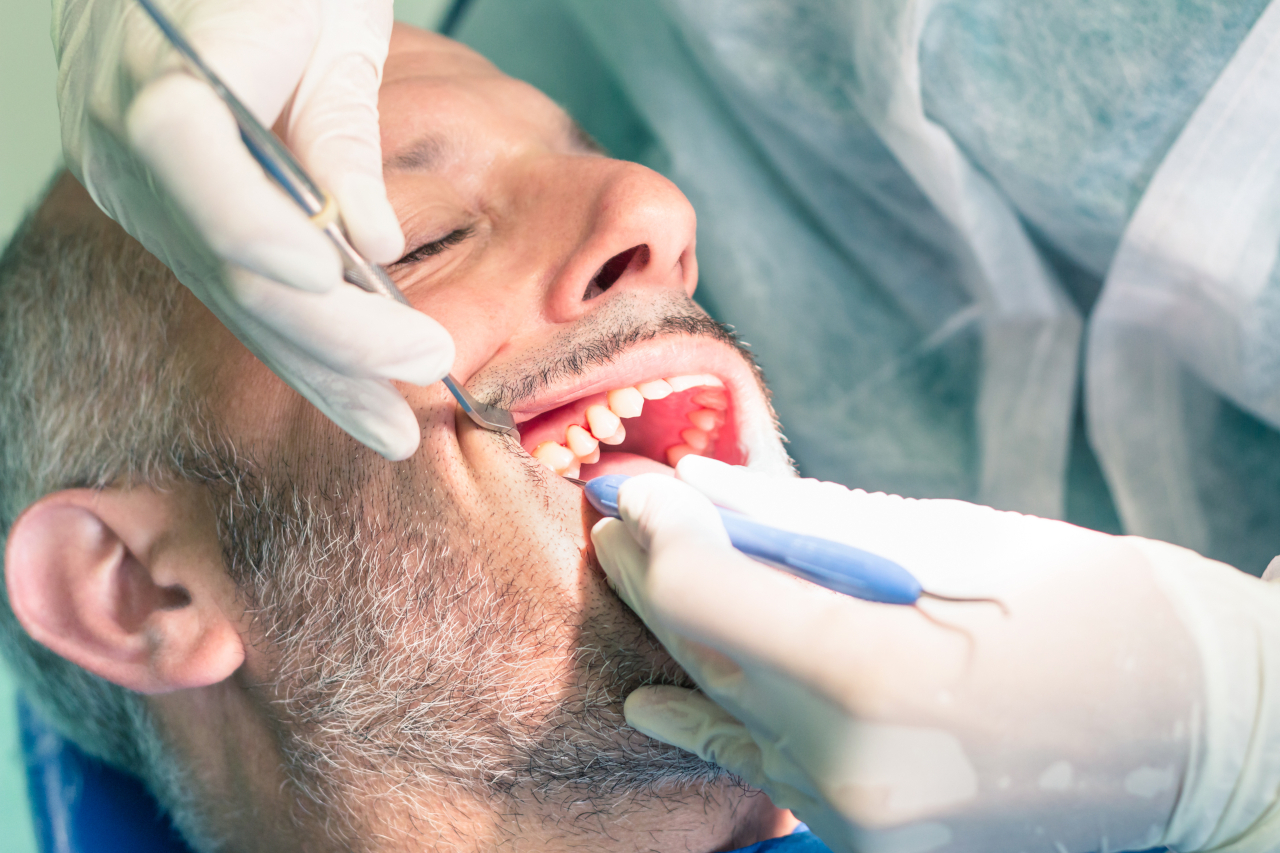
Professional dental cleanings and comprehensive examinations work together as the foundation of preventive care. A cleaning removes plaque and tartar that cannot always be managed effectively at home, while the examination allows the dentist to evaluate the teeth, gums, bite, jaw, restorations, and oral tissues. Digital X-rays may also reveal concerns that cannot be seen during a visual examination.
Even patients who brush and floss consistently benefit from professional preventive care. Home hygiene is essential, but it cannot replace the detailed evaluation, tartar removal, diagnostic imaging, and ongoing monitoring that take place during routine dental visits.
Why Visit the Dentist When Nothing Hurts?
Pain is not always the first sign of a dental problem. In fact, many conditions are easier to manage before discomfort begins.
A cavity starts on the outer layers of the tooth. If it is identified while it is relatively small, treatment may be more conservative. If the decay continues progressing toward the nerve, the tooth may eventually become painful and require more extensive restorative care.
Gum disease can also progress without significant pain. Patients may notice mild bleeding or bad breath but otherwise feel normal. Without professional evaluation, inflammation and supporting bone changes may go unnoticed.
Preventive appointments are designed to identify changes before they become emergencies. Instead of waiting for pain to determine when care is needed, patients can use routine examinations to monitor their oral health proactively.
What Happens During a Professional Dental Cleaning?
A professional cleaning focuses on removing plaque, hardened tartar, and surface deposits from the teeth and gumline.
Plaque is a soft bacterial film that continuously forms on tooth surfaces. Regular brushing and flossing remove much of it, but certain areas can be difficult to reach consistently.
If plaque remains on the teeth, minerals in saliva can cause it to harden into tartar. Once tartar forms, a toothbrush cannot remove it completely.
During a professional cleaning, specialized dental instruments are used to remove these deposits safely. Particular attention may be given to areas behind the lower front teeth, around the gumline, between teeth, and near dental restorations where buildup commonly accumulates.
The teeth may also be polished to remove remaining surface stains and create a smoother finish.
What Is the Difference Between Plaque and Tartar?
Plaque and tartar are related, but they are not the same thing.
Plaque is a sticky film containing bacteria, food particles, and other substances. It can often be removed through effective brushing and cleaning between the teeth.
Tartar, also called calculus, is plaque that has hardened on the tooth surface. It can form above or below the gumline.
Tartar creates a rough surface where additional plaque can collect. When deposits remain near the gums, they can contribute to inflammation and make home cleaning more difficult.
Professional dental instruments are needed to remove hardened tartar without damaging the tooth surface.
Why Brushing Alone Cannot Replace a Dental Cleaning
Even excellent brushing does not reach every area of the mouth equally well.
Commonly missed areas include:
- Between neighboring teeth
- Behind the lower front teeth
- Along the back surfaces of molars
- Near the gumline
- Around crowns and bridges
- Near dental implants
- Around crowded or rotated teeth
- Areas affected by gum recession
Once tartar develops in these areas, brushing harder will not remove it. Aggressive brushing can actually irritate the gums and contribute to enamel wear or recession.
Professional cleanings complement home care rather than replacing it. The most effective preventive routine combines daily plaque removal at home with regular professional maintenance.
What Happens During a Comprehensive Dental Exam?
A dental examination evaluates more than whether cavities are present.
The dentist may examine:
- Individual tooth surfaces
- Existing fillings and crowns
- The gums and supporting tissues
- The patient’s bite
- Areas of tooth wear
- Signs of grinding or clenching
- Dental implants and bridges
- The tongue and other soft tissues
- The jaw and surrounding structures
- Signs of infection or inflammation
- Changes visible on dental X-rays
This broader evaluation helps create a more complete picture of oral health than a patient can obtain by looking at the teeth in a mirror.
Why Dental X-Rays Are Important
Some parts of the teeth and jaw cannot be examined visually. Dental X-rays allow the dentist to evaluate areas beneath the gums, between teeth, and around the roots.
Depending on the type of image, X-rays may help identify:
- Cavities between teeth
- Decay beneath older restorations
- Changes around tooth roots
- Bone levels around teeth
- Impacted or developing teeth
- Dental infections
- Root abnormalities
- Other changes that are not visible above the gumline
Dental imaging is recommended according to the patient’s age, symptoms, oral health history, cavity risk, and treatment needs. Not every patient requires the same images at every appointment.
How Routine Exams Help Detect Cavities Early
Early tooth decay may cause no pain at all. The outer enamel does not contain the same type of nerve tissue found deeper inside the tooth.
As decay progresses into the dentin, patients may begin noticing sensitivity to sweets, cold beverages, or pressure. By the time severe pain develops, the cavity may be approaching or affecting the dental pulp.
Routine examinations and appropriate X-rays can identify decay before significant symptoms occur.
Treating a smaller cavity may allow more healthy enamel to remain intact and reduce the likelihood that the tooth will eventually need a larger restoration.
How Dental Exams Help Monitor Existing Fillings
Dental fillings experience daily chewing pressure and normal wear. Over time, a restoration may crack, loosen, chip, or develop gaps around its edges.
A filling may need attention when:
- The tooth becomes sensitive
- Food repeatedly catches around the filling
- Floss tears near the restoration
- A rough edge develops
- Part of the filling breaks away
- Pain occurs while chewing
- Decay develops around or beneath the restoration
Some failing fillings cause no obvious symptoms. Routine examinations allow the dentist to monitor restorations before complete failure occurs.
Why Dental Crowns Need Routine Monitoring
Dental crowns cannot develop cavities themselves, but the natural tooth supporting the crown can still decay near the edges.
The dentist checks the crown for:
- Loose margins
- Chips or fractures
- Changes in the bite
- Gum irritation
- Decay near the crown edge
- Food trapping
- Excessive wear
Regular examinations can also help determine whether a patient is grinding or clenching, which can place additional pressure on crowns and other restorations.
How Preventive Visits Protect Gum Health
Healthy gums form a close seal around the teeth. Plaque accumulation along the gumline can irritate these tissues and lead to gingivitis.
Possible signs include:
- Bleeding during brushing or flossing
- Red gums
- Swollen gums
- Persistent bad breath
- Tenderness
When inflammation progresses deeper around the teeth, periodontal disease can affect the supporting tissues and bone.
Routine preventive visits allow the dental team to evaluate gum health, identify areas of buildup, and recommend periodontal management when necessary.
What Does Bleeding During Flossing Mean?
Occasional bleeding may occur when someone resumes flossing after a long period without cleaning between the teeth. However, repeated bleeding is commonly associated with gum inflammation.
Patients should not automatically stop flossing because they notice blood. Avoiding the area may allow plaque to remain in place and contribute to continued irritation.
Use a gentle technique and mention persistent bleeding during a dental appointment. The dental team can determine whether the gums simply need improved home care or whether professional periodontal treatment is needed.
How Preventive Dentistry Helps With Bad Breath
Persistent bad breath can have several causes, but oral bacteria are a common contributor.
Plaque can collect on the teeth, tongue, gumline, and dental restorations. Food particles may also remain trapped between teeth or beneath dental appliances.
Professional cleaning removes deposits that may contribute to odor. The dental examination can also identify cavities, gum disease, dry mouth, or other possible causes.
Patients should mention persistent bad breath rather than relying only on gum or mouthwash to mask the problem.
Benefits of Professional Dental Cleanings and Exams
- Earlier cavity detection: Dental examinations and appropriate imaging can identify decay before severe pain develops.
- Professional tartar removal: Hardened deposits that cannot be removed with a toothbrush can be cleaned from the teeth.
- Healthier gums: Removing plaque and tartar helps reduce bacterial buildup around the gumline.
- Monitoring of existing restorations: Fillings, crowns, bridges, and implants can be checked for wear or damage.
- Fresher breath: Professional plaque and tartar removal may reduce bacteria associated with persistent oral odor.
- Early recognition of tooth wear: Signs of grinding and clenching can be identified before substantial enamel loss develops.
- Personalized home-care guidance: Patients can learn where they are missing plaque and which tools may make cleaning easier.
- Oral tissue monitoring: Routine examinations provide an opportunity to evaluate changes in the tongue, gums, cheeks, and other tissues.
- Better long-term treatment planning: Comparing examinations and X-rays over time helps the dentist recognize changes before they become more complex.
- Support for maintaining natural teeth: Prevention and early treatment can help patients preserve healthy tooth structure for as long as possible.
What Is an Oral Cancer Screening?
An oral cancer screening is an examination of the mouth and surrounding tissues for unusual changes.
The dentist may evaluate the:
- Tongue
- Cheeks
- Gums
- Roof of the mouth
- Floor of the mouth
- Lips
- Other visible oral tissues
Patients should also report sores that do not heal, persistent changes in tissue color, unexplained lumps, or other unusual symptoms.
Routine dental examinations create repeated opportunities to monitor these areas over time.
Why Teeth Grinding May Be Discovered During an Exam
Many patients grind or clench their teeth while sleeping and do not realize it.
A dentist may notice signs such as:
- Flattened chewing surfaces
- Small enamel fractures
- Chipped teeth
- Worn restorations
- Jaw muscle tenderness
- Changes in tooth shape
Grinding can gradually shorten teeth and place pressure on fillings, crowns, implants, and the jaw.
A custom night guard may be recommended for patients showing signs of damaging clenching or grinding.
What Is a Custom Night Guard?
A custom night guard is an appliance designed to fit over the teeth and reduce direct contact between the upper and lower arches during sleep.
Unlike generic store-bought guards, a custom appliance is created from records of the patient’s mouth.
A properly designed guard may help protect:
- Natural enamel
- Dental crowns
- Fillings
- Veneers
- Implant restorations
- Other restorative dental work
The dentist can also check the appliance during preventive visits for wear and fit.
Why Athletes Need Dental Protection
Sports and recreational activities can expose teeth to impact injuries. A blow to the mouth may chip, fracture, loosen, or completely knock out a tooth.
Custom athletic mouth guards can provide protection for patients participating in activities where facial contact or falls are possible.
A mouth guard should fit securely enough to remain in place during activity without requiring the athlete to constantly bite down.
Children and teenagers may need replacement guards as their teeth and jaws continue changing.
How Often Should You Schedule a Dental Cleaning?
Many patients benefit from a professional cleaning and examination approximately every six months. However, not everyone needs exactly the same schedule.
More frequent visits may be recommended for patients with:
- Periodontal disease
- Frequent cavities
- Heavy tartar accumulation
- Dental implants
- Orthodontic appliances
- Dry mouth
- Difficulty maintaining home hygiene
- Other oral health concerns
The recommended interval should be based on individual risk and oral health rather than a universal schedule.
What If It Has Been Years Since Your Last Dental Visit?
Patients sometimes delay dental care because of anxiety, scheduling difficulties, previous negative experiences, or concern about what the dentist might find.
There is no benefit to continuing to postpone an examination because time has already passed.
A return visit can begin with an evaluation of the current situation. The dentist can identify which concerns require immediate attention, which can be monitored, and which preventive habits may help moving forward.
Dental care should focus on improving the patient’s current health rather than judging past habits.
Why Dental Anxiety Should Not Prevent Preventive Care
Anxiety is common, particularly for patients who have experienced uncomfortable treatment in the past or have avoided dentistry for several years.
Preventive visits can actually help reduce the likelihood that a patient’s next dental experience will involve an urgent or complicated procedure.
Patients should tell the dental team when they are nervous. Understanding the cause of anxiety allows the appointment to be approached with clearer communication and additional attention to comfort.
How to Prepare for a Routine Dental Appointment
Patients can make the most of a preventive visit by thinking about any changes they have noticed since their last appointment.
Consider mentioning:
- New tooth sensitivity
- Bleeding gums
- Jaw pain
- Morning headaches
- Teeth grinding
- A loose restoration
- Dry mouth
- Persistent bad breath
- Changes in medications
- Recent medical diagnoses
- Areas where food frequently becomes trapped
Providing an updated medical history and medication list helps the dental team plan care appropriately.
Why Your Medical History Matters at the Dentist
Oral health does not exist separately from overall health. Medical conditions and medications can influence saliva production, gum health, healing, bleeding, and treatment decisions.
Patients should inform the dental office about changes in:
- Prescription medications
- Over-the-counter medications
- Allergies
- Medical diagnoses
- Surgeries
- Pregnancy
- Blood pressure
- Other relevant health changes
This information allows preventive and restorative treatment to be planned with the patient’s broader health in mind.
What Is Personalized Home-Care Education?
Preventive dentistry is not only about what happens in the dental office. The majority of plaque control happens at home.
During an appointment, the dental team may identify areas that are consistently being missed and recommend changes to the patient’s routine.
Suggestions may include:
- Changing toothbrush position
- Using an electric toothbrush
- Improving flossing technique
- Trying interdental brushes
- Using a water flosser
- Cleaning beneath a dental bridge
- Improving care around dental implants
- Using fluoride products when appropriate
The best oral hygiene routine is one that addresses the patient’s actual dental needs and can be followed consistently.
Electric Toothbrush Versus Manual Toothbrush
Both manual and electric toothbrushes can clean teeth effectively when used correctly.
An electric toothbrush may be particularly helpful for patients who:
- Brush too aggressively
- Have limited hand dexterity
- Need help maintaining consistent brushing time
- Have difficulty reaching back teeth
- Benefit from pressure sensors or timers
The type of toothbrush matters less than using it thoroughly, gently, and consistently.
Why Flossing Is Still Important
A toothbrush cleans the front, back, and chewing surfaces of the teeth, but it may not clean the tight spaces where neighboring teeth touch.
Floss or another interdental cleaning tool removes plaque from these areas.
Without interdental cleaning, bacteria and food may remain between teeth even when the visible surfaces look clean.
Patients with bridges, implants, larger spaces, or limited dexterity may benefit from specialized cleaning tools rather than traditional string floss.
How Diet Influences Preventive Dental Health
Oral hygiene is important, but diet also affects cavity risk.
Bacteria in dental plaque use sugars and starches to produce acids. Repeated exposure to these acids can weaken enamel.
The frequency of eating can be just as important as the total amount of sugar consumed. Constant snacking gives the mouth less time to recover between acid attacks.
Helpful habits may include:
- Drinking water regularly
- Limiting frequent sugary beverages
- Reducing all-day snacking
- Choosing balanced meals
- Brushing consistently with fluoride toothpaste
Can Preventive Care Reduce Dental Emergencies?
Not every dental emergency can be prevented. Accidents and injuries can happen unexpectedly.
However, preventive visits may reduce the likelihood of emergencies caused by untreated decay, failing fillings, cracked teeth, or gum disease.
A weakened restoration identified during a routine exam may be repaired before it breaks completely. A cavity may be treated before it causes a severe toothache. Grinding damage may be recognized before a tooth fractures.
Early intervention is one of the most practical advantages of consistent dental care.
Why Preventive Dentistry Matters for Dental Implants
Dental implants cannot develop cavities, but the gums and bone surrounding them require ongoing maintenance.
Plaque can accumulate around implant restorations and contribute to inflammation.
Preventive visits allow the dental team to:
- Check the surrounding gums
- Monitor implant stability
- Evaluate the restoration
- Remove professional deposits
- Review home-cleaning techniques
- Check the bite
Daily cleaning and professional maintenance are essential parts of protecting implant treatment.
Why Denture Patients Still Need Dental Exams
Patients with complete dentures sometimes assume they no longer need dental examinations because they do not have natural teeth.
The dentist still needs to evaluate the:
- Gums
- Tongue
- Cheeks
- Roof of the mouth
- Fit of the denture
- Bite
- Areas of irritation
- Other oral tissues
The jaw and gums can change over time, causing a previously comfortable denture to become loose or unstable.
Professional monitoring remains important even after natural teeth have been replaced.
Frequently Asked Questions About Dental Cleanings and Exams
How often should I have a dental cleaning?
Many patients benefit from professional cleanings approximately every six months. Patients with gum disease, frequent cavities, or other risk factors may need a different schedule.
Do I need a dental exam if my teeth do not hurt?
Yes. Cavities, gum disease, damaged restorations, and other dental concerns can develop before noticeable pain begins.
Why do I need a professional cleaning if I brush every day?
Brushing removes plaque but cannot completely remove hardened tartar. Professional cleanings also reach areas that may be difficult to maintain consistently at home.
Are dental X-rays necessary at every appointment?
No. The frequency and type of X-rays depend on the patient’s age, symptoms, dental history, cavity risk, and treatment needs.
Does a dental cleaning hurt?
Routine cleanings are generally comfortable. Patients with inflamed gums, heavy tartar, exposed roots, or sensitivity may notice temporary discomfort and should communicate with the dental team.
Why do my gums bleed during a cleaning?
Bleeding is commonly associated with gum inflammation. Plaque and tartar buildup can make the tissues more sensitive and likely to bleed when cleaned.
Can a dental cleaning whiten my teeth?
Professional cleaning can remove certain external stains and make teeth appear cleaner, but it does not change the internal color of enamel like professional teeth whitening.
Do dental cleanings prevent cavities?
Cleanings help remove plaque and tartar that contribute to dental disease, but cavity prevention also depends on brushing, interdental cleaning, fluoride, diet, and individual risk.
Should children have routine dental cleanings?
Yes. Preventive visits allow the dentist to monitor tooth development, identify cavities, reinforce oral hygiene habits, and provide additional preventive treatments when appropriate.
What if I have not been to the dentist in several years?
Schedule an examination rather than continuing to delay care. The dentist can evaluate your current oral health and create a personalized plan based on what is needed now.
Stay Ahead of Dental Problems With Preventive Care in Algonquin
Dental cleanings and examinations are not only for patients with pain. They are designed to help prevent problems, identify changes early, maintain existing dental work, support healthier gums, and preserve natural teeth for as long as possible.
Patients who are due for a routine cleaning or comprehensive dental examination can contact Dental Symphony in Algonquin, IL. Call (847) 474-9533 to schedule a preventive dental visit and take a proactive approach to maintaining your smile.