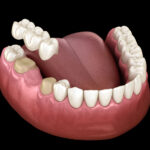

A cavity does not need to hurt before it deserves attention. Tooth decay often begins quietly, gradually weakening enamel before sensitivity or pain develops. When decay is identified while enough healthy tooth structure remains, a tooth-colored filling in Algonquin, IL may provide a conservative way to remove the damaged area and rebuild the tooth.
Dental Symphony offers restorative dentistry for patients dealing with cavities, damaged teeth, worn restorations, and other concerns that affect everyday function. Tooth-colored composite fillings can restore areas affected by decay while blending more naturally with the surrounding enamel than traditional dark restorative materials.
Understanding how cavities develop, why early treatment matters, and what happens during a filling appointment can help patients protect more of their natural tooth structure and reduce the risk of needing more extensive dental care later.
What Is a Dental Cavity?
A cavity is an area of tooth structure that has been damaged by the ongoing process of tooth decay. The process usually begins when plaque remains on the teeth and bacteria use sugars and starches from food to produce acids.
These acids repeatedly attack the enamel. In the earliest stage, minerals begin leaving the tooth surface. If the process continues, the enamel can weaken enough for a permanent opening to form.
Once an actual cavity develops, brushing alone cannot rebuild the missing tooth structure. The damaged area generally needs restorative treatment.
Why Cavities Do Not Always Hurt
One reason patients sometimes delay cavity treatment is that the tooth still feels completely normal.
The outer enamel of a tooth does not contain the same type of nerve tissue found deeper inside. Decay can therefore progress through enamel without causing obvious pain.
As the cavity moves into dentin, patients may begin noticing sensitivity to cold drinks, sweets, or pressure. If decay reaches the inner pulp, symptoms can become more intense and may include persistent pain, throbbing, or infection.
Waiting for a cavity to hurt may allow a relatively manageable problem to become more complicated.
What Is a Tooth-Colored Filling?
A tooth-colored filling is a restoration typically made from composite resin. The material can be selected in a shade that complements the natural tooth.
During treatment, the decayed portion of the tooth is removed and the remaining structure is cleaned. Composite material is then placed into the prepared area, shaped, hardened, and polished.
The restoration replaces the tooth structure that was lost to decay and creates a functional biting surface.
What Causes Cavities?
Cavities usually develop because several factors are working together rather than because of one specific food or habit.
Common contributing factors include:
- Inconsistent brushing
- Not cleaning between the teeth
- Frequent sugary snacks
- Sweetened beverages
- Frequent consumption of refined carbohydrates
- Dry mouth
- Deep grooves in back teeth
- Existing dental restorations that trap plaque
- Limited fluoride exposure
- Crowded teeth that are difficult to clean
Individual cavity risk varies. Some patients develop decay despite brushing regularly because their diet, saliva, tooth anatomy, medical history, or other factors increase susceptibility.
Where Do Cavities Commonly Develop?
Decay can affect almost any exposed natural tooth surface, but certain areas are particularly vulnerable.
These include:
- Between neighboring teeth
- Deep grooves on molars
- Near the gumline
- Around older fillings
- Near crown margins
- Exposed tooth roots
- Areas affected by crowding
Cavities between teeth are especially difficult to see without dental imaging. This is one reason routine examinations and appropriate X-rays are valuable even when the teeth feel healthy.
Signs That You May Have a Cavity
A cavity can be symptom-free, but possible warning signs include:
- Cold sensitivity
- Sensitivity to sweets
- Pain while chewing
- A visible dark spot
- A hole or rough area in a tooth
- Food repeatedly becoming trapped in one location
- Floss catching or tearing between teeth
- Persistent toothache
- Bad taste near a damaged tooth
These symptoms can also result from cracks, gum recession, failing fillings, or other dental problems. A professional examination is necessary to determine the cause.
Why Early Cavity Treatment Matters
Tooth decay generally becomes more difficult to treat as it moves deeper into the tooth.
When a cavity remains relatively small, a filling may be sufficient. If a substantial amount of the tooth becomes weakened, a crown may eventually be needed to provide greater structural support.
If bacteria reach the pulp, root canal therapy may be required to remove infected or inflamed tissue from inside the tooth.
In advanced cases where too little healthy structure remains, extraction may become necessary.
Early treatment is therefore about more than preventing pain. It can help preserve more natural tooth structure.
Benefits of Tooth-Colored Fillings
- Natural appearance: Composite material can be selected to blend with surrounding enamel.
- Conservative repair: Small and moderate areas of damage can often be restored without covering the entire tooth.
- Restored chewing function: The filling rebuilds the damaged area so the tooth can participate in normal biting and chewing.
- Protection against continued decay: Removing damaged tooth structure helps stop progression within the treated area.
- Versatile use: Composite can be used on both front and back teeth in appropriate situations.
- Direct placement: Many fillings can be completed during a single restorative appointment.
- Repair of minor damage: Composite material may also be useful for selected chips or worn areas.
- Preservation of natural tooth structure: Treating decay before it becomes extensive can reduce the amount of tooth that needs restoration.
What Happens During a Filling Appointment?
The appointment begins with evaluation of the tooth and confirmation of the area requiring treatment.
Numbing the Tooth
Local anesthesia may be used to keep the tooth and surrounding tissues comfortable while the damaged area is treated.
Removing Decay
The dentist removes weakened and decayed tooth structure until a healthy foundation remains.
Preparing the Tooth
The area is cleaned and prepared so the composite material can bond effectively.
Placing the Composite
Tooth-colored material is placed carefully into the prepared area. It may be added in layers depending on the size and location of the filling.
Hardening the Filling
A curing light is used to harden the composite material.
Shaping and Polishing
The restoration is shaped to recreate the natural contours of the tooth and polished to create a smooth surface.
Checking the Bite
The dentist checks how the upper and lower teeth contact. Small adjustments can be made if the filling feels too high.
Does Getting a Filling Hurt?
Local anesthesia is used when needed so the patient remains comfortable during treatment. Pressure, vibration, or movement may still be noticeable, but sharp pain should not be expected.
Temporary sensitivity can occur afterward, particularly with deeper cavities. The tooth may respond to cold temperatures or pressure for a short period as the tissues settle.
Contact the dental office if sensitivity becomes severe, continues to worsen, or if the bite feels uncomfortable.
Why a New Filling May Feel High
The bite is carefully checked before the appointment ends, but the mouth can feel different once the numbness has completely worn off.
If the new filling contacts the opposing tooth too early, the restored tooth may receive excessive chewing pressure.
Symptoms can include:
- Pain when biting
- A feeling that one tooth hits first
- Jaw discomfort
- Tenderness around the restored tooth
A minor adjustment can often correct the problem. Patients should not try to simply tolerate an uncomfortable bite for weeks.
How Long Do Tooth-Colored Fillings Last?
The lifespan of a filling depends on the size and location of the restoration, chewing pressure, oral hygiene, diet, and habits such as grinding.
Smaller restorations surrounded by strong enamel may experience less stress than very large fillings in back teeth.
Over time, fillings may wear, chip, crack, or develop small gaps around their edges. Routine dental examinations allow the dentist to monitor these changes.
Can a Filling Get a Cavity?
The filling material itself cannot develop tooth decay, but the natural tooth around the restoration can.
Plaque may collect near the edges of the filling. If bacteria repeatedly remain in these areas, new decay can begin and extend beneath the restoration.
This is sometimes called recurrent decay.
Daily brushing, interdental cleaning, fluoride exposure, and professional examinations help protect both the filling and remaining tooth.
Signs an Existing Filling May Be Failing
An older restoration should be examined when a patient notices:
- A visible crack
- A rough edge
- A missing piece
- New sensitivity
- Pain while chewing
- Food trapping
- Floss tearing around the filling
- Discoloration along the restoration edge
- A noticeable change in the bite
A filling can also develop problems without creating obvious symptoms. This is another reason routine examinations remain important.
Can Old Metal Fillings Be Replaced With Tooth-Colored Fillings?
Dental Symphony’s restorative care includes tooth-colored fillings, and replacement of an older restoration may be considered when clinically appropriate.
However, a filling should not automatically be replaced simply because it is older. The dentist evaluates whether the existing restoration is damaged, leaking, surrounded by decay, or otherwise in need of treatment.
The size of the old filling also matters. Removing a very large restoration may leave too little strong enamel for another filling. In that situation, a dental crown may provide more reliable protection.
Filling Versus Dental Crown
A filling replaces a specific portion of damaged tooth structure. A crown covers the visible portion of the tooth and provides broader reinforcement.
A filling may be appropriate when:
- The cavity is relatively limited
- Enough healthy tooth structure remains
- The tooth does not have a significant structural crack
- The bite can be supported predictably
A crown may be considered when:
- A large portion of the tooth is missing
- The tooth has a major crack
- A large existing filling has weakened the tooth
- The tooth has undergone root canal therapy
- Chewing forces create a higher fracture risk
The goal is to choose the most conservative restoration capable of protecting the tooth reliably.
Filling Versus Root Canal Therapy
A filling treats damage involving the outer tooth structure. Root canal therapy is needed when the pulp inside the tooth becomes severely inflamed or infected.
A deep cavity may begin as a problem that could have been treated with a filling but eventually progress into the nerve if treatment is delayed.
Signs that deeper treatment may be necessary can include prolonged temperature sensitivity, severe spontaneous pain, swelling, or infection around the root.
Only a dental examination can determine how far the decay has progressed.
Can Children Get Tooth-Colored Fillings?
Yes. Dental Symphony’s children’s dentistry includes early cavity detection and tooth-colored fillings for appropriate cases.
Baby teeth are important for chewing, speech, development, and maintaining space for permanent teeth. A cavity should not automatically be ignored simply because the tooth will eventually fall out.
The treatment recommendation depends on the size of the cavity, the child’s age, the tooth involved, and how long the tooth is expected to remain in the mouth.
How to Reduce the Risk of New Cavities
Restoring one cavity does not prevent another from developing elsewhere. Long-term prevention depends on daily habits and professional care.
Helpful strategies include:
- Brush twice daily with fluoride toothpaste.
- Clean between the teeth every day.
- Attend routine dental cleanings and exams.
- Limit frequent sugary snacks.
- Reduce constant sipping of sweetened beverages.
- Drink water regularly.
- Address dry mouth when present.
- Use preventive fluoride products as recommended.
- Consider sealants for cavity-prone molars when appropriate.
Why Frequent Snacking Can Increase Cavity Risk
Every time bacteria receive fermentable carbohydrates, they can produce acids that lower the pH around the teeth.
Saliva eventually helps neutralize these acids. However, if someone snacks continuously throughout the day, the mouth may experience repeated acid attacks with less recovery time.
Reducing the frequency of sugary and starchy snacks can therefore be just as important as reducing the total amount consumed.
How Dry Mouth Contributes to Cavities
Saliva plays an important role in protecting teeth. It washes away food particles, helps neutralize acids, and provides minerals that support enamel.
When saliva production decreases, cavity risk can rise.
Dry mouth may be associated with:
- Medications
- Dehydration
- Certain medical conditions
- Mouth breathing
- Other individual factors
Patients experiencing ongoing dryness should mention it during dental appointments so preventive recommendations can be adjusted.
Why Fluoride Matters
Fluoride helps strengthen enamel and can support the repair of very early mineral loss before a cavity has fully formed.
Most patients benefit from brushing with fluoride toothpaste unless advised otherwise by a dental professional.
Additional fluoride products or professional applications may be considered for patients with elevated cavity risk.
Frequently Asked Questions About Tooth-Colored Fillings
Do cavities always need fillings?
Once decay has created a true cavity in the tooth, restorative treatment is generally required. Very early enamel changes may sometimes be managed preventively before an actual opening develops.
Can a cavity heal on its own?
Early mineral loss may sometimes be strengthened with fluoride and improved oral care. However, missing tooth structure from an established cavity does not grow back.
Can you get a filling if the tooth does not hurt?
Yes. Many cavities are completely painless during their early stages. Treating them before pain develops can help preserve more natural tooth structure.
Will a tooth-colored filling look natural?
Composite resin can be selected in a shade designed to blend with the surrounding enamel.
Can a filling fall out?
Yes. Fillings can loosen or fracture because of wear, decay around the restoration, heavy bite forces, or damage to the supporting tooth.
Why is my tooth sensitive after a filling?
Temporary sensitivity may occur after treatment, particularly when the cavity was deeper. Persistent or worsening sensitivity should be evaluated.
Can a filling be repaired instead of replaced?
The appropriate treatment depends on the type and extent of damage. Some minor defects may be manageable conservatively, while other restorations require complete replacement.
How do I know if I need a filling or crown?
The dentist evaluates the amount of damage, remaining enamel, tooth location, cracks, existing restorations, and bite forces before recommending the appropriate restoration.
Treat Cavities Early With Tooth-Colored Fillings in Algonquin
A cavity does not have to become painful before it is treated. Identifying and restoring tooth decay early can help preserve healthy enamel, maintain comfortable chewing, and reduce the likelihood that the tooth will eventually require a larger restoration.
Patients concerned about cavities, sensitivity, damaged fillings, or visible changes in a tooth can contact Dental Symphony in Algonquin, IL. Call (847) 474-9533 to schedule an examination and learn whether a tooth-colored filling or another restorative option is appropriate.