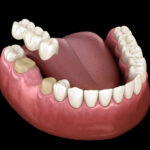

A chipped tooth, untreated cavity, missing tooth, or worn restoration can affect much more than the appearance of a smile. Dental damage can make chewing uncomfortable, change the way the teeth fit together, and place additional pressure on otherwise healthy teeth. Patients dealing with decay, damage, or tooth loss can explore restorative dentistry in Algonquin, IL at Dental Symphony.
Restorative dentistry focuses on repairing damaged teeth, replacing missing teeth, and rebuilding the function of the bite while preserving as much healthy natural tooth structure as possible. Treatment can range from a relatively simple tooth-colored filling to crowns, bridges, dentures, dental implants, or a combination of services for patients with more extensive needs.
Understanding the different restorative options can help patients recognize why early treatment matters and what may be possible when a smile has been affected by decay, fractures, wear, or missing teeth.
What Is Restorative Dentistry?
Restorative dentistry includes treatments used to repair or replace teeth so the mouth can function more comfortably and predictably.
The primary goals may include:
- Removing tooth decay
- Repairing chipped or fractured teeth
- Strengthening weakened teeth
- Replacing missing teeth
- Restoring comfortable chewing
- Improving bite stability
- Protecting remaining natural tooth structure
- Reducing the risk of additional dental damage
- Rebuilding the appearance of damaged teeth
Although restorative treatment often improves appearance, its purpose goes beyond cosmetic dentistry. A restoration must be able to withstand daily chewing pressure and work together with the surrounding teeth.
When Is Restorative Dental Care Needed?
Patients may need restorative dentistry after developing cavities, experiencing an injury, losing teeth, or noticing that older dental work is beginning to fail.
Possible signs that restorative care may be needed include:
- Tooth pain or sensitivity
- A visible cavity
- A broken or chipped tooth
- Pain when biting
- A cracked filling
- A loose crown
- A missing tooth
- Food becoming trapped around damaged teeth
- Teeth that appear worn or shortened
- Difficulty chewing certain foods
- A change in the way the bite feels
- Sharp edges that irritate the tongue or cheek
Not every damaged tooth causes immediate pain. Dental examinations can identify cavities, cracks, and failing restorations before symptoms become severe.
Why Treating Dental Damage Early Matters
Teeth cannot regenerate lost enamel. Once decay creates a cavity or a fracture removes part of the tooth, professional treatment is usually needed to restore the damaged structure.
A relatively small cavity may be repaired with a filling. If the decay continues spreading, the tooth may eventually require a crown or root canal therapy.
A crack can also become larger under repeated chewing pressure. What begins as a minor fracture may eventually weaken enough of the tooth that a more extensive restoration becomes necessary.
Early evaluation often gives the dentist more opportunities to preserve healthy natural tooth structure.
Tooth-Colored Fillings
Dental fillings are commonly used to repair relatively small areas of tooth decay or damage. The dentist removes the weakened material and rebuilds the missing portion of the tooth with restorative material.
Tooth-colored composite fillings can be matched to the surrounding enamel, allowing the restoration to blend with the smile.
Composite material is placed directly into the prepared area and shaped to restore the natural contours of the tooth. The dentist then adjusts the bite so the restoration contacts the opposing teeth properly.
When Does a Cavity Need a Filling?
A filling may be recommended when decay has created an opening in the enamel but enough healthy tooth structure remains to support the restoration.
Cavities do not always hurt during their early stages. Waiting until a tooth becomes painful can allow the decay to move deeper toward the nerve.
Dental X-rays can reveal cavities that are difficult to see, especially between neighboring teeth or beneath existing restorations.
When a Filling Is No Longer Enough
A filling depends on the remaining natural tooth for support. When decay, fractures, or previous dental work have removed a substantial amount of enamel, another filling may not provide sufficient strength.
In these situations, a dental crown may be recommended. The crown surrounds the visible portion of the tooth and helps distribute chewing pressure across a larger area.
The dentist considers the size of the damaged area, location of the tooth, bite forces, and remaining tooth structure before deciding whether a filling or crown is more appropriate.
Dental Crowns for Damaged Teeth
A dental crown is a customized restoration designed to cover a weakened tooth. Crowns may be used for teeth affected by large cavities, fractures, extensive wear, large existing fillings, or root canal treatment.
The crown can restore the size, shape, appearance, and chewing surface of the tooth while providing broader protection than a filling.
Tooth-colored materials can be selected to complement neighboring teeth so the restoration appears natural within the smile.
Restoring a Cracked Tooth
Cracked teeth can be difficult to diagnose because the fracture may not always be visible. Patients may notice sharp pain when biting or when releasing pressure after chewing.
Treatment depends on the location and depth of the crack.
A small chip may be repaired with bonding or a filling. A tooth with a larger structural crack may need a crown to hold the remaining sections together.
If the crack reaches the inner pulp, root canal therapy may also be necessary. Teeth with fractures extending deeply through the root may not be able to be predictably restored.
Restoring Teeth After Root Canal Therapy
Root canal therapy removes infected or inflamed tissue from inside a tooth. Although the procedure helps preserve the natural tooth, the outer structure may already be weakened by decay, fractures, or previous restorations.
A final filling or crown is usually needed to seal and protect the treated tooth.
Back teeth often receive crowns because they withstand substantial chewing forces. Completing the final restoration is an important part of protecting the tooth after root canal therapy.
Dental Bridges for Missing Teeth
A dental bridge is a fixed restoration that replaces one or more missing teeth. Traditional bridges use neighboring teeth as anchors for the replacement tooth or teeth positioned within the open space.
A bridge can restore appearance and chewing function while helping prevent neighboring teeth from shifting toward the gap.
Because the restoration is fixed in place, patients do not remove it for daily cleaning. Special flossing techniques or cleaning tools may be needed to clean beneath the replacement tooth.
Why Missing Teeth Should Be Replaced
A missing tooth can create several changes throughout the mouth. Neighboring teeth may gradually lean or drift into the empty space. The opposing tooth may also move because it no longer contacts another tooth during biting.
These changes may affect:
- Bite alignment
- Chewing efficiency
- Tooth spacing
- Cleaning between teeth
- Pressure on remaining teeth
- Jawbone structure
- Facial support when several teeth are missing
Replacing missing teeth can help restore stability and reduce the likelihood of these changes progressing.
Dental Implants for Tooth Replacement
Dental implants replace missing tooth roots with posts positioned within the jawbone. After the implant has integrated with the surrounding bone, it can support a crown, bridge, or denture.
One advantage of an implant is that a single missing tooth can often be replaced without reshaping neighboring healthy teeth.
Dental implants also transfer chewing pressure into the jawbone, providing stimulation in the area where a natural tooth root is no longer present.
Implant candidacy depends on gum health, available bone, medical history, oral hygiene, and other individual factors.
Dentures for Multiple Missing Teeth
Dentures can replace several missing teeth or an entire dental arch. Depending on the patient’s needs, treatment may involve a partial denture, complete denture, or implant-supported option.
A partial denture uses the remaining natural teeth and supporting tissues for stability. A complete denture replaces all of the teeth in an upper or lower arch.
Implant-supported dentures connect to implants for additional retention and stability.
The right design depends on the number of missing teeth, condition of the remaining teeth, shape of the jaw, and treatment goals.
Tooth Extractions as Part of Restorative Care
Restorative dentistry usually focuses on preserving natural teeth whenever possible. However, some teeth become too severely damaged to support predictable treatment.
Extraction may be considered when a tooth has:
- Extensive decay below the gumline
- A severe root fracture
- Advanced periodontal support loss
- An infection that cannot be predictably treated
- Too little healthy structure for restoration
- Damage that makes comfortable function unlikely
When extraction is necessary, the next consideration is often how the missing tooth will be replaced. Implant treatment, bridges, and dentures may all be discussed depending on the situation.
Benefits of Restorative Dentistry
- Relief from dental discomfort: Treating decay, fractures, and infection can address common causes of tooth pain and sensitivity.
- Improved chewing function: Rebuilding damaged or missing teeth can make it easier to eat a wider variety of foods.
- Preservation of natural teeth: Fillings, crowns, and root canal restorations can help damaged teeth remain part of the smile.
- Improved bite stability: Restoring proper tooth shape and replacing missing teeth helps distribute chewing forces more evenly.
- Protection against additional damage: Strengthening weak teeth can reduce the risk of larger fractures or restoration failure.
- Replacement of missing teeth: Bridges, implants, and dentures can restore spaces left by tooth loss.
- More natural appearance: Tooth-colored materials can rebuild damaged teeth while blending with surrounding enamel.
- Reduced tooth shifting: Replacing missing teeth can help neighboring teeth maintain their positions.
- Support for long-term oral health: Restoring damaged areas can make the mouth easier to clean and maintain.
- Improved confidence: Patients may feel more comfortable eating, speaking, laughing, and smiling after damaged teeth have been restored.
Restorative Dentistry Versus Cosmetic Dentistry
Restorative and cosmetic dentistry can overlap, but their primary goals differ.
Restorative dentistry focuses on repairing damage and restoring function. Examples include fillings, crowns for weakened teeth, bridges, dentures, implants, and treatment after root canal therapy.
Cosmetic dentistry primarily focuses on improving appearance. Examples may include whitening or veneers placed on otherwise healthy teeth.
Many restorative treatments also provide cosmetic improvements. A tooth-colored crown can protect a damaged tooth while making it appear more natural. A dental implant can restore chewing function while closing a visible gap.
Can Several Restorative Treatments Be Combined?
Yes. Patients with several damaged or missing teeth may require a treatment plan involving multiple procedures.
For example, treatment could involve repairing cavities, restoring one tooth with a crown, replacing another tooth with an implant, and improving gum health before final restorative work is completed.
Treatment is generally organized according to priority. Active infection, severe decay, and significant pain are addressed before less urgent concerns.
A phased approach can also make complex restorative care easier to understand and manage.
What Happens During a Restorative Dentistry Consultation?
The process begins with a comprehensive evaluation of the mouth. The dentist reviews the patient’s concerns, dental history, medical history, existing restorations, and treatment goals.
The examination may include:
- Visual evaluation of the teeth and gums
- Dental X-rays
- Digital scans or photographs
- Assessment of tooth fractures and wear
- Evaluation of existing fillings and crowns
- Examination of missing tooth spaces
- Assessment of gum and bone health
- Evaluation of the bite
The dentist uses this information to identify which teeth can be restored, which treatments are most appropriate, and what order the procedures should follow.
Why the Bite Matters in Restorative Dentistry
A restoration must do more than look attractive. It also needs to function properly when the patient bites and chews.
If a filling or crown is slightly too high, it may receive excessive pressure. This can cause soreness or place unnecessary stress on the restored tooth.
Missing teeth can also change the way chewing pressure is distributed throughout the mouth. Restoring the correct tooth height and position helps create a more balanced bite.
Patients should report any restoration that feels unusually high or uncomfortable after treatment.
How Teeth Grinding Can Affect Restorations
Grinding and clenching can place significant pressure on natural teeth, fillings, crowns, bridges, implants, and other restorations.
Signs of grinding may include:
- Flattened tooth surfaces
- Chipped enamel
- Repeatedly broken fillings
- Jaw soreness
- Morning headaches
- Cracked teeth
- Worn restorations
A custom night guard may be recommended when grinding contributes to dental damage. The appliance helps distribute pressure and can protect both natural teeth and restorative work.
How Long Do Dental Restorations Last?
No restoration should be considered permanent. Fillings, crowns, bridges, dentures, and implant restorations experience normal wear over time.
Longevity depends on:
- The type of restoration
- The location of the tooth
- The size of the restoration
- Oral hygiene
- Diet
- Bite pressure
- Grinding and clenching
- Gum health
- Regular professional dental care
Routine examinations allow the dentist to identify early wear or leakage before a restoration fails completely.
Can Cavities Develop Around Existing Dental Work?
Yes. A filling or crown cannot develop a cavity, but the natural tooth surrounding it can still decay.
Plaque may collect around the edges of restorations, particularly near the gumline or between teeth. If decay develops beneath a restoration, the filling or crown may need to be removed so the tooth can be treated.
Daily brushing, flossing, and professional cleanings remain essential after restorative treatment.
Signs an Old Filling May Need Replacement
Older fillings can gradually wear, crack, loosen, or develop gaps around their edges.
Possible warning signs include:
- Sensitivity around the restored tooth
- Pain when chewing
- A visible crack
- A rough or sharp edge
- Food becoming trapped near the filling
- A piece of filling breaking away
- Discoloration around the restoration
- Floss repeatedly catching or tearing
Some failing fillings do not cause noticeable symptoms. Routine examinations allow the dentist to monitor restorations before larger problems occur.
Signs a Dental Crown May Need Attention
Contact a dentist if a crown becomes loose, painful, cracked, or uncomfortable.
A crown may require evaluation when:
- The bite suddenly feels different
- The crown moves when chewing
- Food becomes trapped around the edge
- The gum remains irritated around the crown
- Cold sensitivity develops
- A visible fracture appears
- The crown falls off
Do not use household glue to reattach a loose crown. Keep the restoration and contact the dental office for professional care.
Caring for Restored Teeth
Restored teeth require consistent home care. Artificial restorative materials may resist decay, but the natural teeth and surrounding gums remain vulnerable to plaque and bacteria.
Helpful habits include:
- Brush twice daily with fluoride toothpaste.
- Clean between the teeth every day.
- Attend routine dental examinations and cleanings.
- Avoid chewing ice and extremely hard objects.
- Do not use the teeth to open packages.
- Wear a night guard if recommended.
- Limit frequent sugary snacks and beverages.
- Report loose or damaged restorations promptly.
Restorative Dentistry and Preventive Care
Restorative treatment repairs existing dental damage, while preventive dentistry helps reduce the likelihood of new damage developing.
After a tooth has been restored, preventive care becomes especially important. Regular cleanings help control plaque and tartar, while examinations allow the dentist to monitor the restoration and supporting tooth.
Fluoride, sealants, dietary guidance, and improved brushing or flossing techniques may also be recommended according to the patient’s individual risk.
Can Restorative Dentistry Improve the Appearance of a Smile?
Yes. Although function is a primary goal, many restorative procedures can significantly improve appearance.
Tooth-colored fillings replace dark or damaged areas with material matched to the enamel. Crowns can restore broken or misshapen teeth. Bridges, dentures, and implants can close spaces created by tooth loss.
Restoring proper tooth length and position may also improve facial and smile proportions.
What Happens If Damaged Teeth Are Left Untreated?
Dental damage often becomes more complex over time. Untreated decay can reach the nerve, cracks can expand, and missing teeth can affect surrounding tooth positions.
Possible consequences of delaying restorative care include:
- Larger cavities
- Dental infections
- Root canal treatment
- Tooth fractures
- Loss of teeth
- Shifting of neighboring teeth
- Changes in the bite
- Difficulty chewing
- More complicated future treatment
Seeking care early does not guarantee that a simple treatment will always be possible, but it gives the dentist an opportunity to address problems before additional damage develops.
Frequently Asked Questions About Restorative Dentistry
What is the difference between a filling and a dental crown?
A filling repairs a smaller area of damage within a tooth. A crown covers the visible portion of a tooth and is generally considered when more structural support is needed.
Can restorative dentistry replace missing teeth?
Yes. Missing teeth may be replaced with dental bridges, dental implants, partial dentures, complete dentures, or implant-supported restorations depending on the patient’s needs.
Can a cracked tooth be saved?
Many cracked teeth can be restored when the fracture has not extended too deeply. Treatment may involve bonding, a filling, a crown, or root canal therapy depending on the damage.
Does a cavity need treatment if it does not hurt?
Yes. Cavities can develop without pain during their early stages. Treating decay before it reaches deeper tooth structure can help preserve more of the natural tooth.
Can a tooth-colored filling replace an old metal filling?
In some situations, an older restoration can be replaced with tooth-colored material. The dentist must first evaluate the size of the existing filling and the strength of the remaining tooth.
Do missing teeth always need to be replaced?
The recommendation depends on the location of the missing tooth, bite, neighboring teeth, and oral health. Replacing a missing tooth can help restore function and reduce unwanted shifting.
How do I know whether I need a crown or an extraction?
The dentist evaluates the amount of healthy tooth structure, root condition, bone support, fractures, and extent of decay. A crown may be appropriate when the tooth can be predictably restored, while extraction may be necessary when damage is too extensive.
Can restorative dentistry help worn-down teeth?
Yes. Treatment may rebuild worn teeth with bonding, fillings, crowns, or another restorative approach. The cause of the wear should also be addressed.
How long should I wait to replace a missing tooth?
The ideal timing varies. An early evaluation can help determine whether the site should be preserved and which replacement options are available.
Do restored teeth still need regular dental checkups?
Yes. Dental restorations and the teeth supporting them should be monitored regularly for wear, decay, gum changes, bite problems, and other concerns.
Rebuild Your Smile With Restorative Dentistry in Algonquin
Damaged and missing teeth do not have to continue interfering with eating, speaking, or smiling. Restorative dentistry can repair weakened teeth, replace missing teeth, stabilize the bite, and help preserve as much healthy natural structure as possible.
Patients with cavities, broken teeth, failing restorations, or missing teeth can contact Dental Symphony in Algonquin, IL. Call (847) 474-9533 to schedule an examination and learn which restorative dentistry options may help rebuild the health, appearance, and function of your smile.