
Dental emergencies can happen without warning. A tooth may break during a meal, severe pain may begin overnight, or an accident may loosen or knock out a tooth. Knowing what to do during the first few minutes can reduce discomfort, prevent additional damage, and improve the chance of saving the affected tooth. Patients experiencing an urgent problem can contact Dental Symphony for emergency dentistry in Algonquin, IL.
Not every dental concern requires immediate treatment, but severe pain, swelling, uncontrolled bleeding, dental trauma, and signs of infection should not be ignored. A prompt examination allows the dentist to identify the cause of the problem and recommend the safest treatment.
This guide explains common dental emergencies, practical steps to take at home, symptoms that require urgent attention, and ways to reduce the risk of future dental injuries.
What Is Considered a Dental Emergency?
A dental emergency is an oral health problem that requires prompt professional attention to relieve significant pain, control infection, stop bleeding, or protect a damaged tooth. Some emergencies develop suddenly, while others begin as mild symptoms that gradually become more serious.
Common dental emergencies include:
- Severe or persistent tooth pain
- A cracked, chipped, or broken tooth
- A knocked-out permanent tooth
- A loose or displaced adult tooth
- Swelling in the gums, face, or jaw
- A dental abscess or gum infection
- Bleeding that does not stop
- A lost filling or dental crown
- An object lodged between the teeth
- Injury to the lips, gums, tongue, or cheeks
- Pain that interferes with sleeping, eating, or concentrating
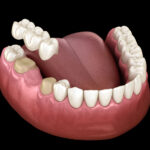
- A damaged dental bridge, denture, or implant restoration
The severity of an emergency is not determined by pain alone. Some serious dental infections or fractures may produce only mild symptoms at first. Any sudden change involving a tooth, restoration, gums, or jaw should be discussed with a dental professional.
What to Do for a Severe Toothache
A toothache can be caused by decay, a fracture, an infection, gum inflammation, an exposed root, a damaged filling, or pressure from grinding and clenching. Persistent pain is a warning sign that the tooth or surrounding tissues need professional evaluation.
Begin by gently rinsing the mouth with warm water. Floss carefully around the painful tooth to remove food or debris that may be trapped between the teeth. Do not force floss beneath the gumline if the area is swollen or extremely tender.
A cold compress can be placed against the outside of the face for short intervals. This may help reduce discomfort and swelling. Avoid applying heat to facial swelling because warmth can sometimes worsen inflammation.
Do not place aspirin directly against the tooth or gums. Aspirin can irritate the soft tissue and cause a chemical burn. Over-the-counter pain medication may provide temporary relief when taken according to the product instructions, but it does not treat the cause of the pain.
Contact the dental office when pain is severe, continues for more than a brief period, wakes you during the night, or is accompanied by swelling, fever, pressure, or a bad taste in the mouth.
What to Do When a Tooth Is Knocked Out
A knocked-out permanent tooth requires immediate attention. The chance of saving the tooth may depend on how quickly it is handled and treated.
- Locate the tooth and pick it up by the crown, which is the portion normally visible in the mouth.
- Avoid touching the root.
- If the tooth is dirty, rinse it briefly with clean water.
- Do not scrub the tooth or remove attached tissue.
- When possible, gently place the tooth back into its socket without forcing it.
- If reinsertion is not possible, keep the tooth moist in milk or an appropriate tooth-preservation solution.
- Contact an emergency dentist immediately.
Do not allow the tooth to dry out. Avoid wrapping it in a tissue or storing it in plain water for an extended period.
A knocked-out primary tooth should not be placed back into the socket. Reinserting a baby tooth can damage the permanent tooth developing underneath. Parents should still contact a dentist promptly so the child can be examined for additional injuries.
What to Do for a Cracked or Broken Tooth
A tooth can crack because of trauma, biting a hard object, untreated decay, grinding, or pressure around a large filling. Some fractures are immediately visible, while others are difficult to detect without dental imaging and magnification.
Rinse the mouth gently with warm water. If a piece of the tooth has broken away, place it in a clean container and bring it to the dental appointment. Apply clean gauze if the area is bleeding, and use a cold compress outside the face if swelling develops.
Avoid chewing on the affected side. Hard, sticky, hot, cold, or sugary foods may increase discomfort or cause additional damage.
Treatment depends on the extent of the fracture. A minor chip may be repaired with dental bonding or a filling. A weakened tooth may need a dental crown. If the crack reaches the inner pulp, root canal therapy may be necessary. Teeth with fractures extending deeply below the gumline may require extraction.
What to Do If a Dental Crown Falls Off
A crown can loosen because of decay, changes in the supporting tooth, damaged dental cement, sticky foods, or excessive bite pressure. The exposed tooth may feel sensitive because the protective restoration is no longer in place.
Keep the crown if it can be located. Rinse it gently and store it in a clean container. Do not use household glue to reattach it. Household adhesives are not safe for use in the mouth and can damage both the tooth and restoration.
Temporary dental cement may sometimes be used according to the product instructions, but it should not replace professional treatment. Avoid chewing on the affected side until the dentist has examined the tooth.
In some cases, the existing crown can be cleaned and reattached. If the crown or supporting tooth is damaged, a new restoration may be needed.
What to Do If a Filling Falls Out
A lost filling can expose sensitive enamel or dentin. The tooth may react to temperature, pressure, sweets, or air.
Rinse the mouth gently and keep the area clean. Avoid chewing on the tooth because the remaining structure may be weak. Temporary filling material may provide short-term protection when used according to its directions.
A dentist should examine the tooth to determine why the filling failed. New decay, wear, fractures, or pressure from the bite may have contributed to the problem.
Depending on the amount of healthy structure remaining, treatment may involve a new filling, an inlay, an onlay, a dental crown, or another restorative procedure.
Signs of a Dental Abscess
A dental abscess is a pocket of infection that can develop near the root of a tooth or within the gums. It may begin because of untreated decay, gum disease, a fracture, or bacteria entering the inner tooth.
Possible signs include:
- Severe or throbbing tooth pain
- Swelling in the gum, face, or jaw
- A pimple-like bump on the gum
- Pressure when biting
- Fever or chills
- A bad taste in the mouth
- Drainage from the gum
- Tender lymph nodes
- Difficulty opening the mouth
- Increased sensitivity to temperature
A dental abscess will not heal permanently without professional treatment. Even if the abscess drains and the pain decreases, the source of the infection can remain.
Treatment may involve drainage, root canal therapy, periodontal treatment, extraction, antibiotics, or a combination of approaches. Antibiotics may help manage a spreading infection, but they do not always eliminate the source inside a damaged tooth.
When Facial Swelling Requires Immediate Attention
Facial swelling related to a tooth or gum infection should be taken seriously. Contact a dentist promptly when swelling is present, particularly when it is increasing or accompanied by pain and fever.
Seek emergency medical assistance when swelling interferes with breathing or swallowing, extends toward the eye or neck, or is associated with confusion, severe weakness, or difficulty staying awake.
A hospital emergency department may address the immediate medical risk, but follow-up dental care is often still required to treat the source of the infection.
What to Do for Bleeding From the Mouth
Injuries to the lips, tongue, gums, and cheeks may bleed heavily because these tissues contain many blood vessels. Rinse gently with clean water and apply sterile gauze or a clean cloth with steady pressure.
A cold compress may reduce swelling around the injury. Do not repeatedly remove the gauze to check the area because this can disturb the forming clot.
Seek urgent care if bleeding does not slow after continued pressure, the cut is deep or widely separated, or the injury involves significant trauma to the face or jaw.
What to Do When Something Is Stuck Between the Teeth
Food, popcorn hulls, or other small objects can become lodged between the teeth and cause pressure or gum irritation. Try removing the object gently with dental floss.
Do not use pins, knives, needles, or other sharp instruments. These objects can cut the gums, damage enamel, or push the item deeper beneath the tissue.
If the object cannot be removed safely, contact the dental office. Persistent pressure can irritate the gums and make the area more difficult to clean.
What to Do for a Loose Permanent Tooth
An adult tooth may become loose because of an injury, gum disease, infection, or severe grinding. A permanent tooth that suddenly moves should be examined promptly.
Avoid touching or wiggling the tooth. Do not chew on the affected side. After trauma, a dentist may reposition and stabilize the tooth with a temporary splint.
Dental images can help determine whether the root, surrounding bone, or neighboring teeth were injured. Some teeth require additional treatment after the initial stabilization period.
What to Do After a Sports-Related Dental Injury
Contact sports, cycling, skating, and recreational activities can cause chipped, displaced, or knocked-out teeth. Check the mouth for bleeding, missing teeth, broken restorations, and changes in the bite.
A tooth can be injured even when it appears normal. Internal damage may cause discoloration, sensitivity, or infection later. Dental evaluation and follow-up monitoring may be recommended after a strong impact.
Seek medical attention for loss of consciousness, vomiting, confusion, severe headache, suspected jaw fracture, or other signs of a head injury.
Benefits of Emergency Dentistry
- Prompt pain relief: Identifying the cause of severe discomfort allows the dentist to treat the underlying problem rather than only masking symptoms.
- A better chance of saving the tooth: Quick care can be especially important for knocked-out, displaced, infected, or deeply cracked teeth.
- Reduced risk of spreading infection: Treating a dental abscess can help prevent bacteria from affecting surrounding tissues.
- Prevention of additional damage: Repairing a broken tooth or failed restoration can keep the problem from becoming more extensive.
- Restored chewing function: Emergency treatment can stabilize the bite and make eating more comfortable.
- Professional diagnosis: Dental imaging and examination help distinguish between decay, fractures, gum problems, and infection.
- Clear treatment guidance: Patients receive specific instructions instead of relying on temporary home remedies.
- Greater peace of mind: Knowing the severity of the problem and the available treatment options can reduce uncertainty.
What Happens During an Emergency Dental Visit?
The appointment begins with a discussion of the symptoms. The dentist may ask when the problem started, whether an injury occurred, what makes the pain better or worse, and whether swelling or fever is present.
The mouth, tooth, gums, and bite are examined. Dental X-rays may be taken to evaluate the roots, bone, decay, infection, or fractures that cannot be seen above the gumline.
The immediate goal is to diagnose the problem, relieve pain, control infection, and stabilize damaged structures. In some cases, treatment can be completed during the emergency visit. Other conditions may require a temporary procedure followed by a separate restorative appointment.
Possible Emergency Dental Treatments
The appropriate treatment depends on the diagnosis. Emergency care may include:
- A tooth-colored filling
- Dental bonding
- Placement or replacement of a crown
- Root canal therapy
- Drainage of an abscess
- Tooth extraction
- Stabilization of a loose tooth
- Repair of a denture or bridge
- Medication when clinically appropriate
- Referral for medical or specialized care
The dentist will explain the findings and discuss the benefits, limitations, and expected recovery associated with each treatment option.
Can Dental Pain Go Away Without Treatment?
Some minor sensitivity may improve when the trigger is removed. However, pain caused by deep decay, infection, or a fracture usually requires treatment.
In certain cases, severe tooth pain may suddenly stop because the nerve inside the tooth has died. This does not mean the tooth has healed. Bacteria may continue spreading through the root and surrounding bone.
Waiting for dental pain to become unbearable can result in more extensive treatment. Early evaluation often provides more options for preserving the tooth.
When to See a Dentist and When to Visit a Hospital
A dentist is usually the appropriate provider for toothaches, broken teeth, lost fillings, damaged crowns, dental abscesses, and knocked-out teeth.
A hospital emergency department may be necessary when the condition involves broader medical risks, including:
- Difficulty breathing or swallowing
- Rapidly spreading facial swelling
- Uncontrolled bleeding
- A suspected jaw fracture
- Loss of consciousness
- Severe head or facial trauma
- Symptoms of a serious allergic reaction
- Confusion, weakness, or other systemic symptoms
Hospital treatment may stabilize the medical emergency, but a dentist may still need to repair injured teeth or eliminate the source of an oral infection.
How to Create a Dental Emergency Kit
A basic dental emergency kit can help families respond more calmly when an injury occurs. Useful items may include:
- Disposable gloves
- Sterile gauze
- A small clean container with a lid
- Dental floss
- A cold pack
- Temporary dental cement
- Temporary filling material
- A tooth-preservation solution
- A small flashlight
- The phone number for the family dental office
A kit cannot replace professional care, but it can help protect a tooth and control bleeding while treatment is being arranged.
How to Reduce the Risk of Dental Emergencies
Not every emergency can be prevented, but many dental injuries and infections begin with avoidable habits or untreated problems.
- Brush twice daily and clean between the teeth every day.
- Attend routine dental examinations and professional cleanings.
- Treat cavities and damaged restorations before they become painful.
- Wear a protective mouthguard during sports and recreational activities.
- Avoid chewing ice, hard candy, pens, and other hard objects.
- Do not use the teeth to open packages or cut materials.
- Wear a night guard when recommended for grinding or clenching.
- Seek care when a tooth develops sensitivity, cracks, or discomfort while chewing.
- Keep removable dentures and appliances in protective cases when not in use.
Frequently Asked Questions About Dental Emergencies
Is every toothache a dental emergency?
Brief, mild sensitivity may not require an emergency appointment. Persistent, severe, worsening, or sleep-disrupting pain should be evaluated promptly. Pain accompanied by swelling, fever, or drainage requires particular attention.
Can a knocked-out permanent tooth be saved?
A knocked-out permanent tooth can sometimes be repositioned and stabilized. The likelihood of successful treatment depends partly on how quickly the patient receives care and how the tooth is handled after the injury.
Should a small chipped tooth be examined?
Yes. A small chip may only need cosmetic repair, but an examination can determine whether a deeper fracture is present. Sharp edges can also irritate the tongue, lips, or cheeks.
Can an emergency dentist treat a dental infection?
A dentist can identify the source of the infection and recommend appropriate care. Treatment may involve drainage, root canal therapy, extraction, periodontal treatment, medication, or a combination of approaches.
What should I do if my crown falls off at night?
Keep the crown in a clean container, avoid chewing on the affected tooth, and do not use household glue. Contact the dental office as soon as possible for instructions and an appointment.
Can I wait if facial swelling is not painful?
Facial swelling should be evaluated even when discomfort is mild. Swelling can indicate an infection that may become more serious if it spreads.
Should I place aspirin on a painful tooth?
No. Aspirin placed directly against the tooth or gums can irritate and damage the soft tissue. Pain medication should only be used according to its instructions and should not replace dental care.
Get Emergency Dental Care in Algonquin, IL
Dental emergencies can be frightening, but taking the correct steps can protect the smile and reduce the risk of complications. Severe pain, swelling, broken teeth, lost restorations, and dental trauma should be evaluated rather than ignored.
Patients experiencing an urgent dental problem can contact Dental Symphony in Algonquin, IL. Call (847) 474-9533, explain what happened, and follow the instructions provided for arranging emergency dental care.
“`