Missing several or all of your teeth can affect nearly every part of daily life, including eating, speaking, smiling, and feeling comfortable in social situations. Tooth loss may also change the way the lips and cheeks are supported, causing the lower portion of the face to appear different over time. Customized dentures in Algonquin, IL can restore the appearance of the smile while helping patients regain practical oral function.
Dental Symphony provides personalized tooth-replacement planning based on the number of missing teeth, the condition of the remaining teeth and gums, the shape of the jaw, and the patient’s long-term goals. Dentures are not a single, identical treatment for every patient. Full dentures, partial dentures, and implant-supported options each provide different advantages and require different types of care.
Learning how dentures work, what the adjustment period involves, and how to maintain them can help patients approach treatment with realistic expectations and greater confidence.
What Are Dentures?
Dentures are removable or implant-supported dental appliances designed to replace missing teeth and surrounding gum tissue. They are customized to fit the patient’s mouth and restore a natural-looking smile.
The visible teeth are created in shapes and shades selected to complement the patient’s facial features. The base of the denture is designed to resemble gum tissue and support the replacement teeth.
Depending on the treatment plan, a denture may replace all teeth in an arch or only the teeth that are missing. Some dentures rest on the gums, while others connect to dental implants for additional support.
Why Replacing Missing Teeth Is Important
Tooth replacement is about more than appearance. Teeth contribute to chewing, speech, facial support, and bite stability.
When several teeth are missing, patients may begin avoiding nutritious foods that are difficult to chew. They may rely on softer processed foods, swallow pieces before they are adequately broken down, or chew almost entirely on one side of the mouth.
Missing teeth can also affect pronunciation. The tongue uses the teeth as contact points when forming certain sounds. Replacing the teeth may help restore clearer speech, although practice is often needed while adjusting to a new denture.
Tooth loss also changes the way pressure is distributed across the mouth. Remaining teeth may shift or become overloaded. Replacing missing teeth can help restore balance and protect the structures that remain.
Types of Dentures
The most appropriate type of denture depends on how many teeth are missing, whether any natural teeth can be preserved, the condition of the bone and gums, and the patient’s preferences.
Complete Dentures
A complete denture replaces all teeth in the upper or lower arch. The appliance includes a full row of replacement teeth attached to a gum-colored base.
An upper denture typically covers part of the roof of the mouth to create suction and stability. A lower denture is shaped around the tongue and rests along the lower ridge.
Lower dentures can be more challenging to stabilize because the tongue, cheeks, and floor of the mouth move during speaking and eating. Implant support may be considered for patients who want greater stability.
Partial Dentures
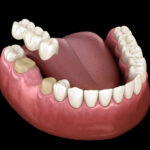
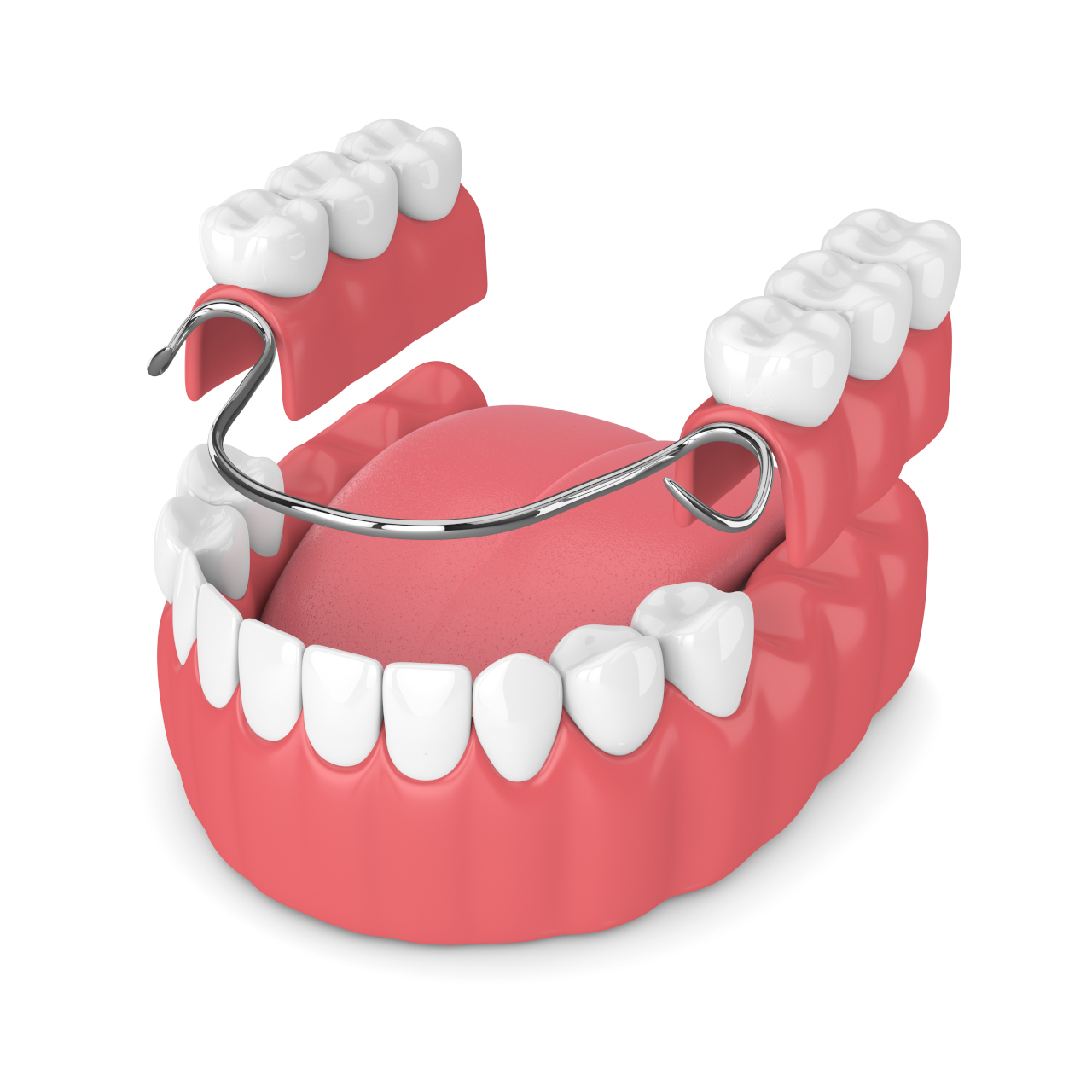
A partial denture replaces several missing teeth while using the remaining natural teeth for support. The appliance fills open spaces and may help keep neighboring teeth from shifting.
Partial dentures can be designed using different materials and attachment systems. Some include clasps that connect around natural teeth, while other designs may use more discreet components.
The remaining teeth must be healthy enough to provide support. Cavities, gum disease, or damaged restorations may need treatment before the partial denture is completed.
Immediate Dentures
Immediate dentures are placed soon after remaining teeth are extracted. They allow patients to leave with replacement teeth rather than waiting through the initial healing period without a denture.
The gums and jaw change as the extraction sites heal. Because the immediate denture is created before those changes occur, it often requires adjustments, relining, or eventual replacement.
Immediate dentures provide an important temporary solution, but patients should understand that the first fit may not remain accurate as healing progresses.
Implant-Supported Dentures
Implant-supported dentures connect to dental implants positioned within the jawbone. The implants help reduce movement and improve stability during eating and speaking.
Some implant-supported dentures remain removable for daily cleaning. Others are fixed in place and removed only by a dental professional.
The number and location of implants depend on the available bone, the design of the restoration, the condition of the mouth, and the treatment goals.
How Dentures Are Made
The denture process begins with a detailed dental examination. The dentist evaluates the gums, bone, bite, facial proportions, remaining teeth, and existing dental appliances.
Dental images may be taken to examine teeth below the gumline, bone levels, and areas that may require treatment. If unhealthy teeth remain, the dentist will discuss whether they can be restored or need to be removed.
Impressions or Digital Records
Detailed impressions or digital scans are used to record the shape of the mouth. Accurate records help the dental team create an appliance that fits the gums and surrounding structures.
Additional measurements may be taken to establish the appropriate bite height and relationship between the upper and lower arches.
Selecting the Replacement Teeth
The shape, size, and shade of the replacement teeth are selected to complement the patient’s smile and facial appearance.
Patients may have preferences regarding the brightness, arrangement, or shape of the teeth. The dental team can recommend options that look attractive while maintaining proper function.
Trial Placement
A trial denture may be created so the patient and dentist can evaluate the tooth position, smile, bite, and appearance before the final appliance is completed.
Adjustments can be made to the tooth arrangement or bite during this stage. Once the design is approved, the final denture is processed.
Final Placement and Adjustments
At the placement appointment, the dentist evaluates how the denture contacts the gums and how the upper and lower teeth meet.
New dentures often require follow-up adjustments. Small pressure points can become sore after the appliance has been worn for several hours. Adjusting these areas helps improve comfort and function.
Benefits of Dentures
- Replacement of multiple missing teeth: Dentures can restore several teeth or an entire dental arch with one coordinated appliance.
- Improved appearance: Customized replacement teeth can restore a fuller and more complete smile.
- Support for the lips and cheeks: Dentures can help restore facial support that was reduced after tooth loss.
- Improved chewing function: Replacement teeth can make it easier to eat a broader range of foods.
- Clearer speech: Dentures can restore contact points used by the tongue when pronouncing certain words.
- Protection against shifting: Partial dentures can help keep remaining teeth from moving into open spaces.
- Customizable treatment: Patients may choose from complete, partial, immediate, and implant-supported options.
- Restored confidence: A complete smile can help patients feel more comfortable during conversations, meals, and photographs.
- Non-surgical options: Traditional removable dentures can replace teeth without implant surgery.
- Improved bite balance: Carefully planned dentures can restore contact between the upper and lower arches.
What New Dentures Feel Like
A new denture may initially feel large, unfamiliar, or bulky. The tongue, lips, cheeks, and chewing muscles need time to adapt to the new appliance.
Patients may produce more saliva during the first several days because the mouth recognizes the denture as a foreign object. This reaction usually decreases as the mouth becomes accustomed to the appliance.
The denture may also feel as though it moves during speaking or eating. Muscles gradually learn how to help stabilize it, but professional adjustments may still be necessary when movement is excessive.
Patience is important during the first few weeks. Becoming comfortable with dentures is a learning process rather than an immediate change.
How to Eat With New Dentures
Begin with soft foods that require minimal chewing. Examples include:
- Eggs
- Yogurt
- Oatmeal
- Mashed potatoes
- Cooked vegetables
- Soft pasta
- Fish
- Applesauce
- Soft fruits
- Soups that are not excessively hot
Cut food into small pieces and chew slowly. Try to place food on both sides of the mouth at the same time. Balanced chewing helps reduce tipping or rocking of a removable denture.
Avoid biting directly into firm foods with the front denture teeth during the early adjustment period. Cutting the food into smaller pieces may make it easier to manage.
Foods to Approach Carefully
Hard, sticky, or exceptionally chewy foods can dislodge a denture or place too much pressure on specific areas.
Patients may need to approach the following foods carefully:
- Hard candy
- Ice
- Popcorn kernels
- Sticky caramel
- Chewing gum
- Tough meat
- Whole nuts
- Raw, hard vegetables
- Foods containing small seeds
- Crusty bread
This does not necessarily mean these foods must be avoided forever. Many patients gradually expand their diet as their coordination and comfort improve.
How Dentures Affect Taste and Temperature
An upper denture may cover part of the roof of the mouth. This can initially change the way food temperature and texture are perceived.
Patients should be careful with very hot foods and beverages until they become accustomed to sensing temperature through the appliance.
Taste perception often improves as the patient adapts. Keeping the denture clean and maintaining good oral hygiene can also help food taste more natural.
Learning to Speak With Dentures
Speech may sound different when a new denture is first placed. The tongue must adjust to the new tooth positions and contours.
Reading aloud is one of the most effective ways to practice. Repeat words that feel difficult and speak slowly until pronunciation becomes more natural.
Some patients notice clicking while speaking. This may occur when the teeth contact too forcefully or the denture moves. If clicking continues, the bite or fit may need adjustment.
Most patients experience improvement with consistent practice and time.
What Causes Denture Soreness?
New dentures may create pressure in areas that were not previously exposed to chewing forces. Small differences in the gum shape can cause the appliance to rub or press unevenly.
Minor sore spots are common during the adjustment period, but they should not be ignored. The dentist can adjust the inside of the denture to reduce pressure.
Do not attempt to reshape or repair the appliance at home. Filing or bending the denture can damage its structure and make the fit worse.
Why Follow-Up Adjustments Matter
A denture may appear to fit properly during the placement appointment but create discomfort after several hours of function. Follow-up visits allow the dentist to identify pressure areas that only become noticeable during normal use.
Patients should follow instructions about wearing the denture before an adjustment appointment. In some cases, the dentist may ask the patient to wear it for a certain period so sore areas can be identified accurately.
Repeated adjustments are not necessarily a sign that the denture was made incorrectly. They are often a normal part of adapting a customized appliance to living oral tissues.
How to Clean Removable Dentures
Dentures should be cleaned every day to remove food, plaque, and stains. Even though artificial teeth cannot develop cavities, bacteria and deposits can irritate the gums and contribute to bad breath.
Rinse the denture after meals when possible. Brush it using a denture brush or soft-bristled toothbrush and a cleaner designed for dentures.
Regular toothpaste may be too abrasive for some denture materials. Repeated use can create microscopic scratches that collect stains and bacteria.
Clean every surface, including the areas that rest against the gums and any clasps on a partial denture.
How to Protect Dentures During Cleaning
Dentures can break if dropped onto a hard floor or sink. Fill the sink with water or place a folded towel beneath the appliance while cleaning.
Hold the denture securely but avoid squeezing or bending it. Partial denture clasps can become distorted when handled roughly.
Rinse the denture thoroughly before returning it to the mouth, especially after using a soaking solution.
Should Dentures Be Removed at Night?
Many patients are advised to remove removable dentures while sleeping. This gives the gums and supporting tissues time to rest.
The appliance may be stored in water or a denture-soaking solution, depending on the material and instructions provided by the dentist. Dentures should not be allowed to dry out because this can cause warping.
Some patients may receive different instructions during the first day after extractions or for specific medical reasons. Always follow the individualized recommendations provided by the dental team.
How to Care for the Mouth Without Natural Teeth
Patients with complete dentures still need daily oral hygiene. Bacteria can collect on the gums, tongue, cheeks, and roof of the mouth.
Use a soft toothbrush or damp cloth to clean the gums and oral tissues. Brushing the tongue can reduce bacteria and improve breath.
Gently massaging the gums may help stimulate circulation. The mouth should be examined regularly for sores, white patches, red areas, or other changes.
How to Care for Remaining Teeth With a Partial Denture
A partial denture transfers pressure to the remaining natural teeth. These teeth require careful maintenance because decay or gum disease can weaken the denture’s support.
Remove the partial denture before brushing and flossing. Clean around any teeth contacted by clasps or attachments, since plaque often accumulates in these areas.
Fluoride toothpaste and professional cleanings help protect the remaining teeth. The dentist may recommend additional preventive products for patients with elevated cavity risk.
Can Dentures Cause Bad Breath?
Dentures can contribute to bad breath when food, plaque, or bacteria remain on the appliance. Wearing dentures continuously without cleaning the gums may also increase odor.
Daily denture cleaning, tongue brushing, oral tissue care, and regular dental visits can help maintain fresher breath.
Persistent odor may also be related to dry mouth, gum infection, decay in remaining teeth, or a poorly fitting denture. A dental examination can identify the cause.
What Is Denture Adhesive?
Denture adhesive is a cream, powder, or strip designed to improve the hold of a removable denture. It may provide additional confidence when used correctly.
Adhesive should not be used to compensate for a denture that no longer fits properly. Excessive movement may indicate changes in the gums or jaw that require professional adjustment or relining.
Use only the amount recommended by the product instructions and dental team. Applying too much adhesive can create mess, alter the bite, or make the denture difficult to clean.
What Is a Denture Reline?
A denture reline updates the inner surface of the appliance so it fits the current shape of the gums and jaw more closely.
Relining may be needed because the mouth changes after extractions or over years of denture wear. Bone and gum tissues can gradually shrink, causing the denture to loosen.
A reline may improve fit without replacing the entire denture. However, appliances that are heavily worn, cracked, unstable, or no longer support a balanced bite may need replacement.
Why Dentures Become Loose Over Time
Traditional dentures rest on the gums and underlying ridge. After tooth loss, the jawbone may gradually change because it no longer receives stimulation from natural tooth roots.
As the ridge becomes smaller, the denture may feel loose or begin moving during eating and speaking.
Weight changes, medical conditions, dry mouth, and normal wear can also influence fit. Regular dental visits help identify these changes before they cause significant discomfort.
Signs a Denture Needs Adjustment or Replacement
Contact the dental office if you notice any of the following:
- Persistent sore spots
- A denture that slips while speaking
- Difficulty chewing foods that were previously manageable
- Cracks or broken teeth in the appliance
- Changes in the bite
- Frequent need for large amounts of adhesive
- Irritation beneath clasps
- Difficulty keeping the denture clean
- A sunken or unsupported facial appearance
- Clicking during speech
- A denture that feels unstable
Continuing to wear a poorly fitting denture can irritate the tissues and make chewing more difficult.
Can a Broken Denture Be Repaired at Home?
No. Household glue and repair kits can damage denture materials, create an inaccurate fit, and expose the mouth to unsafe substances.
Keep all broken pieces and contact the dental office. Some repairs can be completed professionally, while severely damaged appliances may need replacement.
Do not continue wearing a denture with sharp edges or unstable pieces. These areas can cut the gums, tongue, or cheeks.
Traditional Dentures Compared With Implant-Supported Dentures
Traditional dentures rely on the shape of the gums, suction, muscle control, and sometimes adhesive for stability. They provide a non-surgical way to replace many missing teeth.
Implant-supported dentures attach to dental implants within the jaw. This can reduce movement, improve chewing stability, and provide greater confidence.
Implant treatment requires sufficient bone, healthy tissues, and a healing period. It also involves a different financial and treatment commitment.
Neither option is automatically right for every patient. The decision depends on health, anatomy, preferences, hygiene abilities, and long-term goals.
Benefits of Implant-Supported Dentures
- Improved stability during eating and speaking
- Reduced movement across the gums
- Greater confidence with a wider variety of foods
- Less reliance on denture adhesive
- Stimulation of the bone near the implants
- Improved retention for lower dentures
- Customizable removable or fixed designs
Implant-supported dentures still require professional maintenance and daily cleaning. The gums and bone around the implants must remain healthy.
Are Dentures Only for Older Adults?
No. Tooth loss can affect adults of many ages because of decay, gum disease, injury, genetic conditions, or other health concerns.
Treatment recommendations are based on oral health and replacement needs rather than age alone.
Some younger patients may prefer implants, bridges, or combinations of treatments. Others may benefit from partial or complete dentures because of anatomy, health, or personal preference.
How Long Do Dentures Last?
Dentures are durable, but they do not last forever. Normal wear can change the shape of the teeth and affect the bite. The gums and jaw also change over time.
A denture may need relining, adjustment, repair, or replacement depending on its condition and fit.
Regular examinations allow the dentist to evaluate the appliance, mouth, bite, and supporting tissues. Patients should not wait until the denture breaks or becomes painful before seeking care.
Why Dental Visits Still Matter After Tooth Loss
Patients with no natural teeth still need dental examinations. The dentist checks the gums, tongue, cheeks, palate, jaw, and other oral tissues for signs of irritation or disease.
The denture is evaluated for fit, wear, cracks, buildup, and bite changes. Professional care can help identify issues that may not be painful or visible to the patient.
Patients with partial dentures also need examinations to protect their remaining natural teeth and gum health.
Frequently Asked Questions About Dentures
How long does it take to get used to new dentures?
Many patients notice improvement over several weeks, but the adjustment period varies. Eating and speaking generally become easier with practice, proper fit, and follow-up adjustments.
Will dentures look natural?
Denture teeth can be selected and arranged to complement the patient’s face, smile, and preferences. The goal is to create a natural and balanced appearance.
Can I eat normally with dentures?
Dentures restore chewing function, but they do not feel exactly like natural teeth. Patients usually begin with soft foods and gradually add firmer options as comfort and coordination improve.
Should dentures be worn while sleeping?
Many patients are advised to remove removable dentures at night so the oral tissues can rest. Individual instructions may differ after extractions or for specific health needs.
Can I use regular toothpaste on dentures?
Some toothpastes are too abrasive for denture materials and may create scratches. A denture cleaner and soft brush are generally recommended.
Why does my lower denture move more than my upper denture?
The lower ridge provides less surface area for support, and the tongue and floor of the mouth move constantly. Implant support may improve lower denture stability for suitable candidates.
Can dentures be repaired if they break?
Many dentures can be repaired professionally, depending on the type and extent of damage. Household glue should never be used.
Do I still need dental appointments if I have no natural teeth?
Yes. Dental visits remain important for examining the oral tissues, checking the denture fit, and screening for changes that may require treatment.
Are implant-supported dentures removable?
Some implant-supported dentures are removable for daily cleaning, while others remain fixed and are removed only by a dental professional.
How do I know whether I need a denture reline?
A reline may be helpful when the denture becomes loose because the gums and jaw have changed. A dental examination determines whether relining, adjustment, or replacement is appropriate.
Restore Your Smile With Dentures in Algonquin, IL
Dentures can restore missing teeth, improve facial support, make chewing easier, and help patients feel more confident in everyday life. Successful treatment depends on careful planning, a customized fit, consistent cleaning, and regular professional maintenance.
Patients interested in complete dentures, partial dentures, immediate dentures, or implant-supported tooth replacement can contact Dental Symphony in Algonquin, IL. Call (847) 474-9533 to schedule a consultation and learn which denture option may best support your smile and daily needs.
“`