A damaged or decayed tooth does not always need to be removed. In many cases, restorative dentistry can preserve the natural tooth and rebuild the strength needed for comfortable chewing. While small areas of decay may be treated with fillings, teeth with more extensive damage often need dental crowns in Algonquin, IL to provide greater protection and stability.
Dental Symphony provides personalized restorative care for patients with cracked, worn, weakened, or heavily filled teeth. The appropriate treatment depends on how much healthy tooth structure remains, where the damage is located, and how much pressure the tooth experiences during biting and chewing.
Understanding the difference between a filling and a dental crown can make it easier to discuss treatment options and recognize why a dentist may recommend one restoration instead of another.
What Is a Dental Crown?
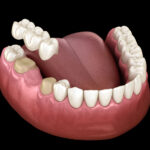
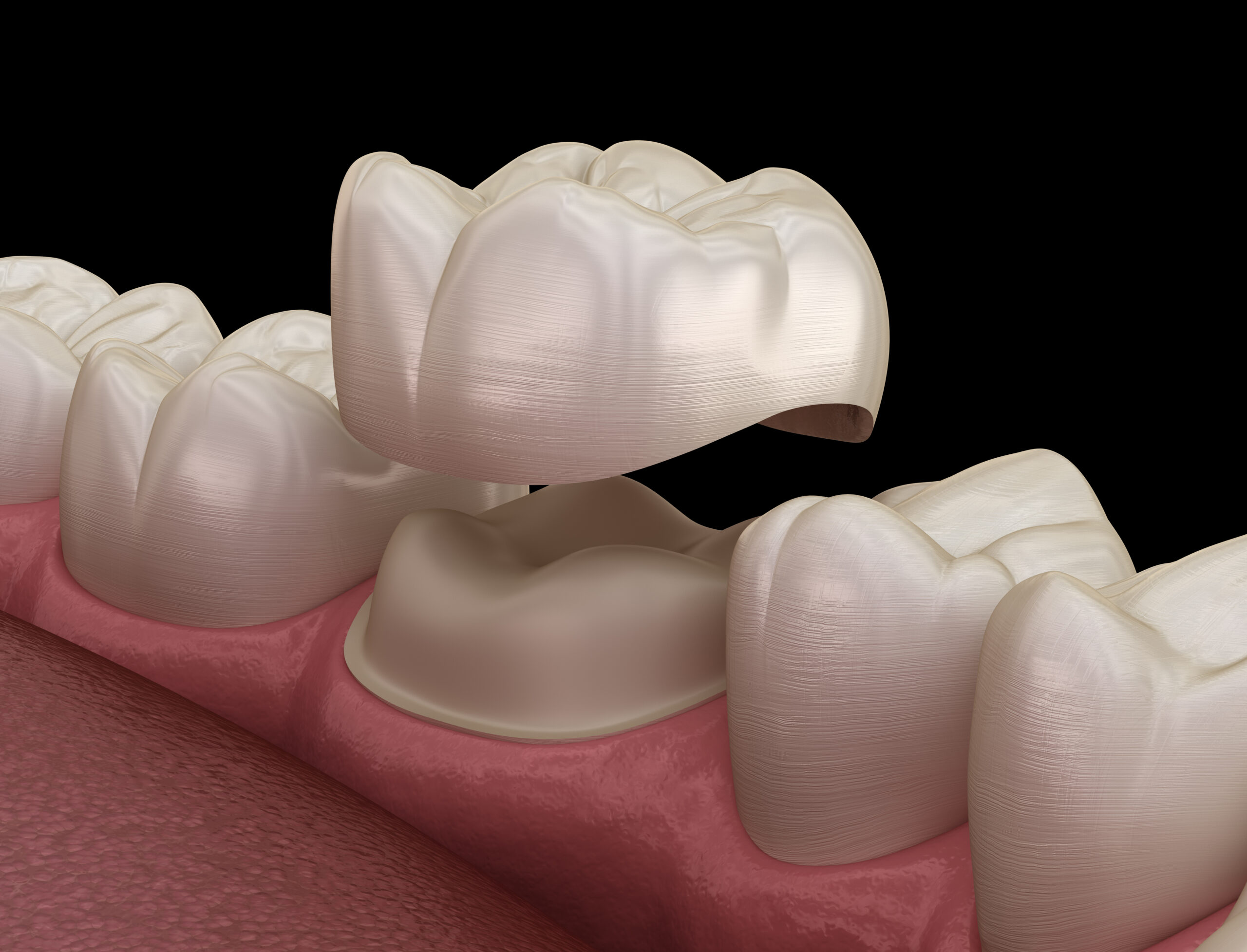
A dental crown is a custom-made restoration that covers the visible portion of a natural tooth. It is sometimes called a cap because it surrounds the tooth rather than filling only one damaged section.
The crown restores the size, shape, appearance, and function of the tooth. It also helps distribute chewing pressure across the restoration instead of allowing that pressure to concentrate on a weak or cracked area.
Dental crowns can be created using tooth-colored materials that complement the surrounding smile. The final restoration is designed to fit securely against the prepared tooth, contact the neighboring teeth properly, and align with the opposing bite.
What Is a Dental Filling?
A dental filling repairs a cavity or relatively small area of damage. The dentist removes the decayed material, cleans the area, and fills the opening with a restorative material.
Fillings are effective when there is enough strong enamel surrounding the cavity. The remaining natural tooth supports the restoration and helps it withstand normal chewing forces.
A filling does not cover the entire tooth. This makes it a more conservative option for smaller problems, but it may not provide enough protection when a large amount of tooth structure has already been lost.
How Dentists Choose Between a Crown and a Filling
The size of a cavity is an important consideration, but it is not the only factor. The dentist evaluates the entire tooth before recommending treatment.
Amount of Healthy Tooth Structure
A small cavity surrounded by strong enamel can often be repaired with a filling. When decay or an old restoration occupies a substantial portion of the tooth, the remaining enamel may be too thin to support another filling.
Thin walls of enamel can crack when exposed to repeated chewing pressure. A crown surrounds the weakened tooth and can provide more complete reinforcement.
Location of the Tooth
Back teeth perform most of the heavy chewing. Molars and premolars must withstand considerable pressure when patients bite into firm foods or grind food before swallowing.
A large filling in a back tooth may experience more stress than a similarly sized restoration in a front tooth. The dentist considers the location of the tooth and its role in the bite when deciding how much protection is needed.
Presence of Cracks
A filling can replace missing tooth structure, but it may not stabilize a tooth that has developed a significant crack. A crack can expand whenever the tooth flexes under pressure.
A crown can hold the outer portions of the tooth together and reduce movement around the crack. The treatment recommendation depends on the depth and location of the fracture.
Some shallow cracks can be treated successfully with crown coverage. A crack that extends deeply beneath the gumline or into the root may make the tooth difficult to restore.
Condition of an Existing Filling
Older fillings can wear down, loosen, fracture, or develop gaps around their edges. Bacteria can enter these gaps and cause new decay beneath the restoration.
When an old filling is removed, the dentist may discover that even more tooth structure has been damaged. If the remaining tooth is no longer strong enough to support another filling, a crown may be recommended.
History of Root Canal Therapy
Root canal therapy removes infected or inflamed tissue from inside a tooth. The treatment can preserve the natural tooth, but many teeth needing root canal therapy have already lost substantial structure because of decay, fractures, or previous restorations.
Back teeth are often protected with crowns following root canal treatment. The crown helps reduce the risk that the tooth will fracture during chewing.
Wear Caused by Grinding or Clenching
Teeth grinding and clenching can gradually wear down enamel and place excessive pressure on restorations. A tooth that has become short, flat, cracked, or weakened may need crown coverage to restore its shape and protect it from additional damage.
Patients who grind their teeth may also be advised to use a custom night guard after treatment. A night guard can reduce direct pressure on the crown and surrounding natural teeth.
Common Reasons a Dental Crown May Be Recommended
Dental crowns can be used for restorative and cosmetic purposes. A dentist may recommend a crown for any of the following reasons:
- To protect a tooth with a large cavity
- To restore a cracked or fractured tooth
- To replace a failing or oversized filling
- To rebuild a severely worn tooth
- To protect a tooth after root canal therapy
- To improve the shape of a malformed tooth
- To support a dental bridge
- To complete a dental implant restoration
- To improve the appearance of a severely discolored tooth
- To restore a tooth that has lost substantial enamel
Signs That a Tooth May Need a Crown
Some damaged teeth cause immediate discomfort, while others remain painless until the problem becomes more advanced. Symptoms that may indicate the need for restorative care include:
- Pain when biting or releasing pressure
- A visible crack or broken portion of the tooth
- A large filling that feels loose
- Sharp edges that irritate the tongue or cheek
- Sensitivity to hot, cold, or sweet foods
- A tooth that feels weak during chewing
- Food becoming trapped around an old restoration
- A tooth that has become noticeably worn or shorter
- Recurring discomfort around a previously treated tooth
These symptoms do not automatically mean that a crown is required. A comprehensive examination and dental imaging are needed to identify the cause and determine the most appropriate treatment.
Benefits of Dental Crowns
- Greater protection for weakened teeth: A crown covers the visible tooth and helps protect fragile enamel from additional damage.
- Improved chewing function: Restoring the proper shape and height of a tooth can make biting and chewing feel more balanced.
- Natural-looking appearance: Tooth-colored crown materials can be matched to the surrounding teeth.
- Support after root canal treatment: A crown can protect a treated tooth that may otherwise be vulnerable to fracture.
- Restoration of damaged tooth shape: Crowns can rebuild teeth affected by wear, cracks, decay, or large fillings.
- Improved bite stability: A properly shaped crown can restore contact with neighboring and opposing teeth.
- Preservation of the natural tooth: Protecting a damaged tooth may help patients avoid extraction and replacement.
- Versatile restorative treatment: Crowns can be used independently, as part of a dental bridge, or over a dental implant.
What Happens During the Dental Crown Process?
The crown process begins with a detailed examination. The dentist evaluates the tooth, surrounding gums, existing restorations, and bite. Dental images may be taken to examine the roots and bone beneath the gumline.
Preparing the Tooth
The tooth and surrounding tissues are numbed before treatment begins. Decay, damaged enamel, and failing filling material are removed.
The remaining tooth is shaped to create enough space for the crown. The goal is to preserve healthy structure while creating a stable foundation for the restoration.
If a large portion of the tooth is missing, the dentist may need to rebuild part of the tooth before preparing it for the crown. This foundation helps support the final restoration.
Creating the Crown
Impressions or digital scans are taken to record the shape of the prepared tooth, neighboring teeth, and bite. These records are used to create a crown that fits accurately within the smile.
The color of the surrounding teeth may also be recorded so the crown can be designed to blend naturally.
Wearing a Temporary Crown
A temporary crown may be placed while the final restoration is being created. The temporary protects the prepared tooth and helps maintain appearance and function between appointments.
Temporary crowns are not as strong as final restorations. Patients should avoid especially sticky or hard foods that could loosen or damage the temporary crown.
Floss should be used carefully around the temporary restoration. Instead of pulling the floss upward, patients may be instructed to slide it out through the side to reduce the chance of dislodging the crown.
Placing the Final Crown
At the placement appointment, the temporary crown is removed and the prepared tooth is cleaned. The dentist checks the final crown for fit, appearance, contact with neighboring teeth, and alignment with the bite.
Any necessary adjustments are completed before the restoration is securely attached. The dentist may check the bite again after placement to ensure the crown feels comfortable.
Does Getting a Dental Crown Hurt?
Local anesthesia is used during tooth preparation to keep the treatment area comfortable. Patients may feel pressure or movement, but they should not feel sharp pain.
Some temporary sensitivity may occur after the procedure, particularly near the gumline or when the tooth is exposed to temperature changes. Mild tenderness can also occur as the bite and surrounding tissues adjust.
Persistent pain, worsening sensitivity, swelling, or discomfort when biting should be reported to the dental office. In some cases, the bite may need a minor adjustment.
Why Delaying Crown Treatment Can Cause Problems
A cracked or weakened tooth cannot regenerate lost enamel. Continued chewing can cause a small fracture to grow or allow a damaged portion of the tooth to break away.
Decay can also spread beneath an old filling or into deeper areas of the tooth. Once bacteria reach the dental pulp, root canal therapy may become necessary.
When a fracture extends too far beneath the gumline or through the root, the tooth may no longer be restorable. Treating a weakened tooth before it breaks extensively may improve the chance of preserving it.
How Long Do Dental Crowns Last?
The lifespan of a dental crown varies from patient to patient. The crown material, location of the tooth, chewing forces, oral hygiene, and personal habits all influence longevity.
A crown can remain functional for many years when it is properly maintained. However, no dental restoration should be considered permanent. Crowns may eventually require repair or replacement because of normal wear, changes in the bite, gum recession, decay near the edges, or accidental damage.
Regular examinations allow the dentist to monitor the crown and identify early signs of concern.
How to Care for a Dental Crown
A crowned tooth requires the same daily care as natural teeth. Although the crown itself cannot develop a cavity, the natural tooth beneath it can still decay near the gumline.
- Brush twice daily with a soft-bristled toothbrush.
- Clean between the crowned tooth and neighboring teeth every day.
- Use fluoride toothpaste unless otherwise directed.
- Avoid chewing ice, hard candy, pens, or other nonfood objects.
- Do not use the teeth to open packaging.
- Wear a night guard if recommended for grinding or clenching.
- Attend routine dental examinations and cleanings.
- Report any looseness, pain, or bite changes promptly.
Can a Tooth Develop Decay Beneath a Crown?
Yes. The crown covers the visible tooth, but a narrow area of natural structure remains near the gumline. Plaque can accumulate around this margin and contribute to decay.
Daily brushing and flossing help keep the edge of the crown clean. Professional cleanings also remove hardened deposits that cannot be eliminated with a toothbrush alone.
If decay develops beneath a crown, the restoration may need to be removed so the tooth can be evaluated and treated.
Can a Crown Fall Off?
A crown can become loose because of decay, changes in the supporting tooth, damage to the cement, excessive bite pressure, or sticky foods.
If a crown falls off, keep it in a safe container and contact the dental office. Do not attempt to reattach it with household glue. These products are not designed for oral use and can damage the tooth or restoration.
Avoid chewing on the affected side until the tooth has been examined. The exposed tooth may be sensitive and more vulnerable to fracture.
Dental Crowns Compared With Other Restorations
Dental Crown Versus Filling
A filling repairs a specific cavity or area of damage, while a crown covers the visible tooth. Fillings are generally more conservative, but crowns provide broader protection for weakened teeth.
Dental Crown Versus Veneer
A veneer covers primarily the front surface of a tooth and is often used for cosmetic improvements. A crown surrounds more of the tooth and is typically chosen when structural support is needed.
Dental Crown Versus Dental Implant
A crown restores the visible portion of a tooth. When the natural root remains healthy enough to support treatment, the crown is attached to the prepared tooth.
A dental implant replaces a missing tooth root. An implant crown is attached to the implant after the implant has integrated with the jawbone.
Frequently Asked Questions About Dental Crowns
Is a crown always better than a filling?
No. A filling may be the better treatment when the cavity is relatively small and enough healthy enamel remains. A crown is recommended when the tooth requires greater protection or structural support.
Can a cracked tooth be repaired with a filling?
Minor chips or small damaged areas may sometimes be repaired with a filling or bonding. A crack that weakens a significant portion of the tooth may require crown coverage. The depth and location of the crack determine which options are appropriate.
Will a dental crown look natural?
Tooth-colored crowns can be designed to match the shade, size, and shape of surrounding teeth. Careful planning helps the restoration blend with the smile.
Can I eat normally with a crown?
After the final crown has been placed and the dentist has provided clearance, patients can generally return to normal eating. Extremely hard or sticky foods should still be approached carefully because they can damage restorations and natural teeth.
Why does my crowned tooth feel sensitive?
Temporary sensitivity can occur after preparation and placement. Sensitivity that continues, worsens, or is accompanied by pain when biting should be evaluated.
Does every root canal-treated tooth need a crown?
Not every treated tooth requires the same restoration. Back teeth commonly need crown protection because they experience strong chewing forces. The recommendation depends on the tooth’s location and remaining structure.
Restore and Protect a Damaged Tooth in Algonquin
A dental crown can rebuild a damaged tooth, restore comfortable chewing, and reduce the risk of additional fractures. The best time to treat a weakened tooth is often before a small problem becomes a painful dental emergency.
Patients with a cracked tooth, damaged filling, extensive decay, or discomfort while chewing can contact Dental Symphony in Algonquin, IL. Call (847) 474-9533 to schedule an examination and learn whether a filling, crown, or another restorative treatment is right for your smile.
“`