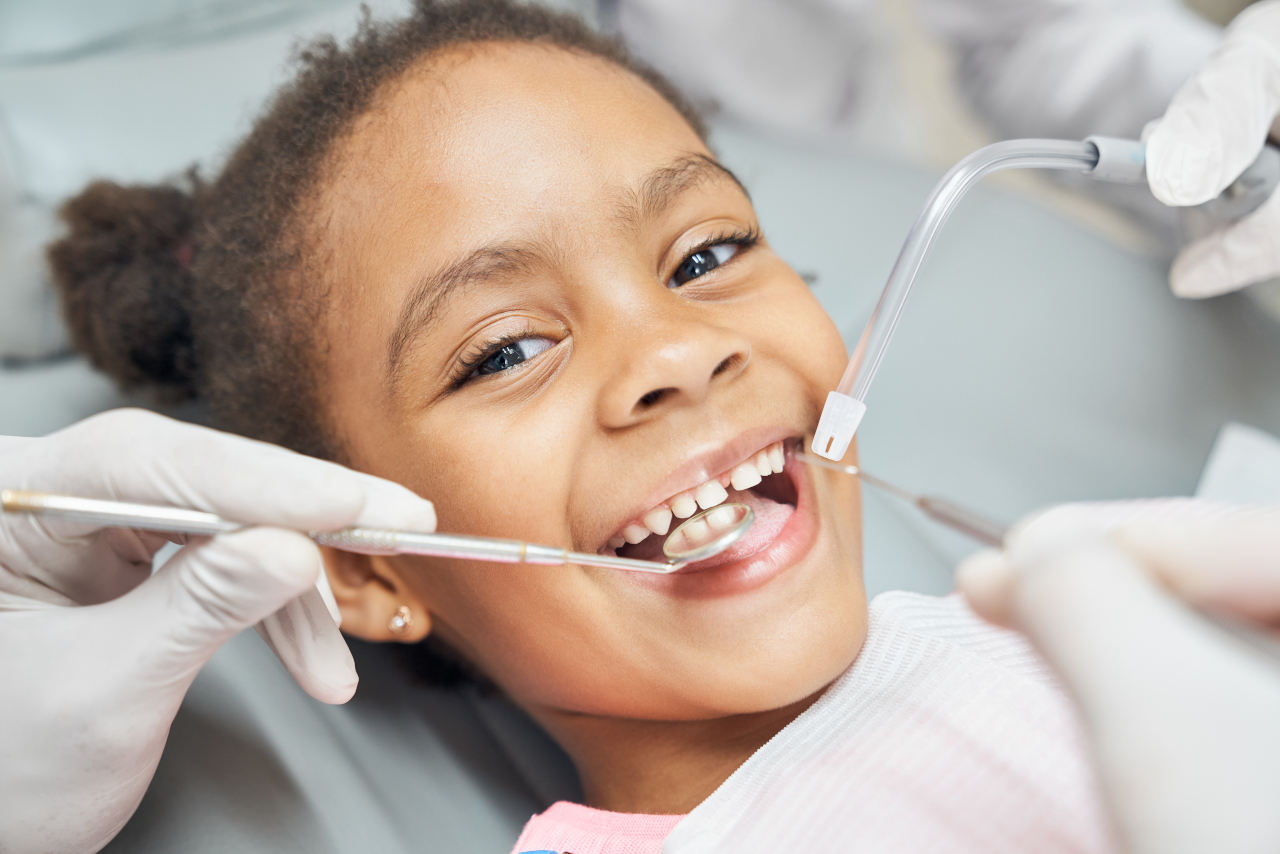
A child’s early dental experiences can shape how they feel about oral health care for years to come. Routine visits allow a dentist to monitor development, identify cavities before they become painful, and help families establish healthy habits at home. Dental Symphony provides children’s dentistry in Algonquin, IL for families seeking preventive, age-appropriate care in a welcoming dental environment.
Children have unique dental needs because their mouths are constantly changing. Baby teeth erupt, permanent teeth begin developing beneath the gums, jaw growth progresses, and daily habits influence the future health of the smile. Early preventive care gives parents practical guidance while helping children become familiar with the sights, sounds, and routines of a dental office.
Understanding when to schedule a first visit, what happens during a children’s dental appointment, and how to care for young teeth at home can help families create a strong foundation for lifelong oral health.
When Should a Child First Visit the Dentist?
A child’s first dental visit is generally recommended when the first tooth appears or by the child’s first birthday. This may seem early, but cavities can develop soon after teeth begin erupting.
The first appointment is often brief and educational. It allows the dentist to examine the child’s mouth, check early development, and answer questions about brushing, feeding, teething, fluoride, pacifiers, thumb-sucking, and other oral habits.
Families with older children who have not yet visited a dentist can begin at any time. The appointment can be adapted to the child’s age, comfort level, dental needs, and previous experiences.
Why Baby Teeth Are Important
Primary teeth, commonly called baby teeth, play several important roles in a child’s health and development. Although these teeth will eventually be replaced, they should not be considered temporary or unimportant.
Baby teeth help children chew a balanced diet, pronounce words clearly, and smile with confidence. They also maintain space for the permanent teeth developing beneath the gums.
If a baby tooth is lost too early because of decay or injury, neighboring teeth may shift into the open space. This can reduce the room available for the permanent tooth and may contribute to future crowding or alignment concerns.
Untreated cavities in primary teeth can cause pain, infection, difficulty eating, disrupted sleep, and missed school. Protecting baby teeth supports the child’s comfort, nutrition, speech, and overall development.
What Happens During a Child’s First Dental Visit?
The exact appointment depends on the child’s age and comfort. A very young child may sit on a parent’s lap while the dentist performs a gentle examination.
During the visit, the dentist may:
- Count the erupted teeth
- Examine the gums and oral tissues
- Look for early signs of tooth decay
- Evaluate tooth eruption and jaw development
- Check the child’s bite
- Review brushing and feeding habits
- Discuss fluoride and cavity prevention
- Answer questions about teething
- Discuss pacifier or thumb-sucking habits
- Recommend a schedule for future appointments
The goal of an early visit is not to force a child through a long procedure. It is to introduce the dental environment, build trust, and establish an ongoing relationship between the family and dental team.
How Parents Can Prepare a Child for the Dentist
Children often respond to the way adults describe new experiences. Parents can help by using simple, positive language before the appointment.
Tell the child that the dentist will count, clean, and look at the teeth to help keep them healthy. Avoid using frightening words or explaining procedures in unnecessary detail.
Parents should also avoid saying that the appointment will not hurt or that there is nothing to fear. A child who had not considered pain may begin wondering why those reassurances were necessary.
Reading age-appropriate books about dental visits, practicing opening wide in front of a mirror, or pretending to count teeth can make the experience feel more familiar.
Choose the Appointment Time Carefully
Young children are often more cooperative when they are rested and have eaten an appropriate meal. An appointment scheduled during a normal nap time may be more difficult.
Allow enough time to arrive without rushing. Children can sense stress, so a calm start can help create a more positive experience.
A comfort item, such as a small toy or blanket, may help some children feel more secure. Parents should follow any instructions provided by the dental office regarding food, medications, or paperwork before the visit.
What Happens During Routine Children’s Dental Appointments?
As a child becomes more comfortable, routine appointments may include a professional cleaning, dental examination, fluoride treatment, and preventive recommendations.
The dental team removes plaque and hardened deposits that brushing may have missed. The dentist then evaluates the teeth, gums, bite, jaw growth, and areas between the teeth.
Dental X-rays may be recommended when they are needed to examine areas that cannot be seen directly. The timing depends on the child’s age, development, symptoms, and cavity risk.
Benefits of Children’s Dentistry
- Early cavity detection: Small areas of decay can be identified before they become painful or require more extensive treatment.
- Developmental monitoring: The dentist can observe tooth eruption, jaw growth, and changes in the bite over time.
- Personalized prevention: Families receive recommendations based on the child’s age, diet, habits, and cavity risk.
- Positive dental experiences: Regular visits help children become familiar with the dental environment before an emergency occurs.
- Support for healthy habits: Children learn that brushing, flossing, and dental appointments are normal parts of caring for the body.
- Protection of baby teeth: Preventive care supports chewing, speech, spacing, and comfort during childhood.
- Early identification of bite concerns: Monitoring allows the dentist to recognize changes that may need future attention.
- Guidance for parents: Families can ask questions about fluoride, diet, teething, oral habits, and injury prevention.
- Reduced dental anxiety: Calm, routine visits can make future treatment feel more manageable.
- An established dental home: Parents know where to call if a toothache, injury, or unexpected problem occurs.
How Cavities Develop in Children
Cavities form when bacteria in the mouth use sugars and starches from food and beverages to produce acids. These acids weaken the enamel and can eventually create a hole in the tooth.
Children may face increased cavity risk because they are still learning how to brush effectively. Deep grooves in back teeth, frequent snacking, sweetened drinks, and inconsistent oral hygiene can also contribute.
Baby teeth have thinner enamel than permanent teeth, so decay can progress quickly. A small cavity may become larger or reach the inner tooth if treatment is delayed.
How to Brush a Young Child’s Teeth
Parents can begin caring for the mouth before the first tooth appears by gently wiping the gums with a clean, damp cloth.
Once teeth erupt, use a small, soft-bristled toothbrush. Brush every tooth surface, including near the gumline, twice each day.
Young children do not have the coordination to brush thoroughly on their own. A parent or caregiver should perform or closely supervise brushing.
Children may want to begin brushing independently, which is an important skill to encourage. However, an adult should finish the job and check the teeth until the child can clean every surface consistently.
How Much Toothpaste Should a Child Use?
The appropriate amount of fluoride toothpaste depends on the child’s age and ability to spit. Parents should follow the recommendations provided by the dentist.
Using too much toothpaste is unnecessary and may cause a young child to swallow more than intended. A small amount is enough to help clean the teeth and provide fluoride protection.
Parents should store toothpaste where young children cannot use it without supervision.
When Should Children Begin Flossing?
Flossing should begin when two teeth touch closely enough that a toothbrush cannot clean between them. This can happen at different ages for different children.
Parents usually need to floss for young children. Floss picks or other age-appropriate tools may make the process easier, but they should be used carefully to avoid injuring the gums.
The dental team can demonstrate the appropriate technique and recommend tools based on the child’s spacing and dexterity.
How Diet Affects a Child’s Teeth
Diet influences cavity risk, but the frequency of exposure is often just as important as the amount of sugar consumed.
Every time a child eats a sugary or starchy snack, oral bacteria produce acids. Constant grazing can create repeated acid exposure throughout the day.
Structured meals and snacks give saliva more time to neutralize acids and support enamel. Water is generally the best beverage between meals when appropriate for the child.
Foods that can contribute to cavity risk include candy, cookies, sweetened cereals, crackers, chips, fruit snacks, juice, soda, sports drinks, and sweetened milk products.
This does not mean every sugary food must be completely eliminated. Families can reduce risk by limiting frequency, serving sweets with meals, encouraging water, and brushing consistently.
Why Bottles at Bedtime Can Cause Cavities
Putting a child to bed with a bottle containing milk, formula, juice, or another sweetened beverage can increase the risk of early childhood cavities.
During sleep, saliva production decreases. When teeth remain coated in a sugary liquid, bacteria have more time to produce enamel-damaging acids.
Water is generally the safest option if a child needs a drink after brushing, unless a healthcare provider has given different instructions.
What Is Fluoride?
Fluoride is a naturally occurring mineral that helps strengthen enamel and make teeth more resistant to acid attacks. It can also support the repair of very early areas of enamel weakness.
Children may receive fluoride from toothpaste, drinking water, or professional applications. The dentist considers the child’s age, cavity history, diet, enamel, and other risk factors before making recommendations.
Professional fluoride treatment is quick and can add protection during routine dental visits.
What Are Dental Sealants?
Dental sealants are thin protective coatings placed over the deep grooves of back teeth. These grooves can trap food and bacteria, making them difficult to clean with a toothbrush.
Sealants create a smoother surface over the chewing area and can reduce the risk of cavities developing in those grooves.
The process is generally simple. The tooth is cleaned, prepared, and coated with the sealant material. A special light may be used to harden it.
Sealants do not replace brushing, flossing, fluoride, or routine dental care. They provide an additional layer of protection for cavity-prone surfaces.
When Do Permanent Teeth Begin to Appear?
Permanent teeth commonly begin erupting during the early elementary school years. The first permanent molars often appear behind the baby teeth and do not replace an existing tooth.
Because these molars erupt quietly in the back of the mouth, parents may not realize they are permanent. They are especially important to protect because they help establish the adult bite.
The front baby teeth also begin loosening and falling out as permanent teeth move into position. The order and timing vary among children.
What If a Permanent Tooth Looks Crooked?
New permanent teeth may appear crowded, rotated, or uneven as they erupt. Some alignment changes improve as the jaw grows and additional teeth appear.
The dentist monitors spacing, bite development, eruption patterns, and jaw relationships during routine visits. An orthodontic evaluation may be recommended when a concern requires closer assessment.
Early monitoring does not always mean immediate treatment is necessary. It allows the family to understand what is developing and what options may be considered later.
Thumb-Sucking and Pacifier Habits
Thumb-sucking and pacifier use are normal self-soothing behaviors for babies and young children. The effect on the teeth depends on how frequently, forcefully, and how long the habit continues.
Extended habits can influence the position of the front teeth, shape of the palate, and way the upper and lower teeth meet.
Parents should avoid shaming or punishing the child. Positive reinforcement and gradual encouragement are often more effective.
The dentist can monitor the bite and provide age-appropriate suggestions for reducing the habit.
Teething and New Tooth Eruption
Teething can cause gum tenderness, increased drooling, irritability, and a desire to chew. Parents can offer a clean, chilled teething ring or gently massage the gums with a clean finger.
Avoid products that could create choking risks or expose the child to inappropriate ingredients. Medication should only be used according to professional guidance and product instructions.
High fever, severe illness, or significant symptoms should not automatically be attributed to teething. Contact the child’s healthcare provider when there are concerns.
Helping a Child Who Is Afraid of the Dentist
Dental anxiety is common, particularly when the environment is unfamiliar. Children may feel uncertain about new people, sounds, equipment, or sensations.
Parents can help by staying calm and allowing the dental team to explain procedures in child-friendly language. Visible worry, repeated apologies, or complicated promises can unintentionally reinforce fear.
Some children need more than one brief visit before they feel comfortable completing a cleaning or other procedure. Progress should be based on the individual child rather than compared with siblings or other patients.
A positive visit may simply involve entering the office, meeting the team, sitting in the chair, and allowing a brief examination.
What If a Child Cries During the Appointment?
Crying can be a normal reaction to an unfamiliar situation. It does not mean the visit has failed or that the child will always be afraid of dental care.
The dental team can adapt the appointment, provide reassurance, and determine how much can be completed safely and comfortably.
Parents should remain supportive and avoid criticizing the child afterward. Praising specific efforts, such as opening wide or sitting in the chair, can help build confidence for the next visit.
What Happens If a Child Has a Cavity?
The recommended treatment depends on the size and location of the cavity, the tooth involved, the child’s age, and how long the tooth is expected to remain in the mouth.
Small cavities may be repaired with tooth-colored fillings. More extensive damage may require additional restorative treatment to protect the tooth.
Some parents wonder whether a cavity in a baby tooth can simply be ignored because the tooth will eventually fall out. However, untreated decay can cause pain or infection long before natural tooth loss occurs.
The dentist will explain the findings, treatment options, and steps that can reduce the risk of future cavities.
Signs a Child May Have a Dental Problem
Children do not always explain pain clearly. Parents should watch for behavioral and physical signs of a possible dental concern.
- Complaints of tooth pain or sensitivity
- Avoiding certain foods
- Chewing on only one side
- Waking during the night because of discomfort
- Swelling in the gums or face
- A visible dark spot or hole in a tooth
- Bleeding gums
- Persistent bad breath
- Difficulty brushing a specific area
- Sudden reluctance to eat
- A broken or loose tooth after an injury
Dental pain should not be dismissed as normal growing discomfort. Early evaluation can help prevent the condition from becoming more serious.
What to Do When a Child Injures a Tooth
Falls, sports, playground accidents, and everyday activity can injure a child’s teeth. Contact a dentist after a tooth is chipped, displaced, loosened, or knocked out.
For a broken tooth, rinse the mouth gently and collect any fragments that can be found. Use a cold compress outside the face if swelling occurs.
A knocked-out permanent tooth requires immediate attention. Handle the tooth by the crown, avoid touching the root, keep it moist, and seek emergency dental care.
A knocked-out baby tooth should not be placed back into the socket because doing so may damage the permanent tooth developing beneath it.
How Mouthguards Protect Children’s Teeth
A properly fitted mouthguard can reduce the risk of dental injuries during sports and recreational activities.
Mouthguards protect the teeth, lips, cheeks, and gums by absorbing and distributing impact. They may be recommended for contact sports as well as activities where falls or collisions are possible.
Children’s mouths change as teeth erupt and jaws grow, so a mouthguard should be checked regularly for fit and wear.
How Often Should Children Visit the Dentist?
Many children benefit from preventive appointments approximately every six months. However, the ideal schedule depends on the child’s oral health, cavity risk, development, and treatment history.
Children with frequent cavities, enamel weakness, orthodontic appliances, gum concerns, or other needs may require more frequent monitoring.
The dentist will recommend a personalized schedule after evaluating the child.
How Parents Can Model Healthy Dental Habits
Children often copy what they see. When parents brush, floss, and attend dental appointments regularly, oral care becomes part of the family routine.
Families can brush together, use timers, play a short song, or create a simple checklist. The goal is to make oral hygiene consistent rather than stressful.
Avoid using dental visits or brushing as threats or punishments. Positive language helps children associate oral care with health and responsibility.
Frequently Asked Questions About Children’s Dentistry
What age should a child first visit the dentist?
A first visit is generally recommended when the first tooth appears or by the child’s first birthday. Early visits allow the dentist to check development and provide preventive guidance.
Why should cavities in baby teeth be treated?
Baby teeth support chewing, speech, spacing, and development. Untreated cavities can cause pain, infection, and early tooth loss.
Will a child need X-rays at every appointment?
No. X-rays are recommended according to the child’s age, cavity risk, symptoms, development, and areas that cannot be examined visually.
When should a child begin brushing independently?
Children can begin practicing early, but most need adult help until they have enough coordination to clean every tooth surface thoroughly.
Are dental sealants only for children with cavities?
No. Sealants are preventive and may be recommended for cavity-free permanent molars with deep grooves that are difficult to clean.
What should a parent do if a child is afraid of the dentist?
Use calm, positive language, avoid introducing frightening details, and allow the dental team to build trust gradually. Some children benefit from several short visits.
Can thumb-sucking affect permanent teeth?
A prolonged or forceful habit can influence tooth alignment and bite development. The effect depends on the child’s age, frequency, and intensity of the habit.
What should happen if a child knocks out a baby tooth?
Do not place the baby tooth back into the socket. Contact a dentist promptly so the child can be examined for other injuries.
Build a Healthy Foundation With Children’s Dentistry in Algonquin
Early dental care supports healthy teeth, comfortable development, cavity prevention, and positive lifelong habits. Routine visits also give parents a trusted place to ask questions and receive recommendations tailored to their child.
Families seeking children’s dentistry in Algonquin, IL can contact Dental Symphony at (847) 474-9533 to schedule a first visit, routine examination, or preventive dental appointment.
“`