Keep Your Smile Healthy: Why Daily Brushing Is Vital for Your Oral Health

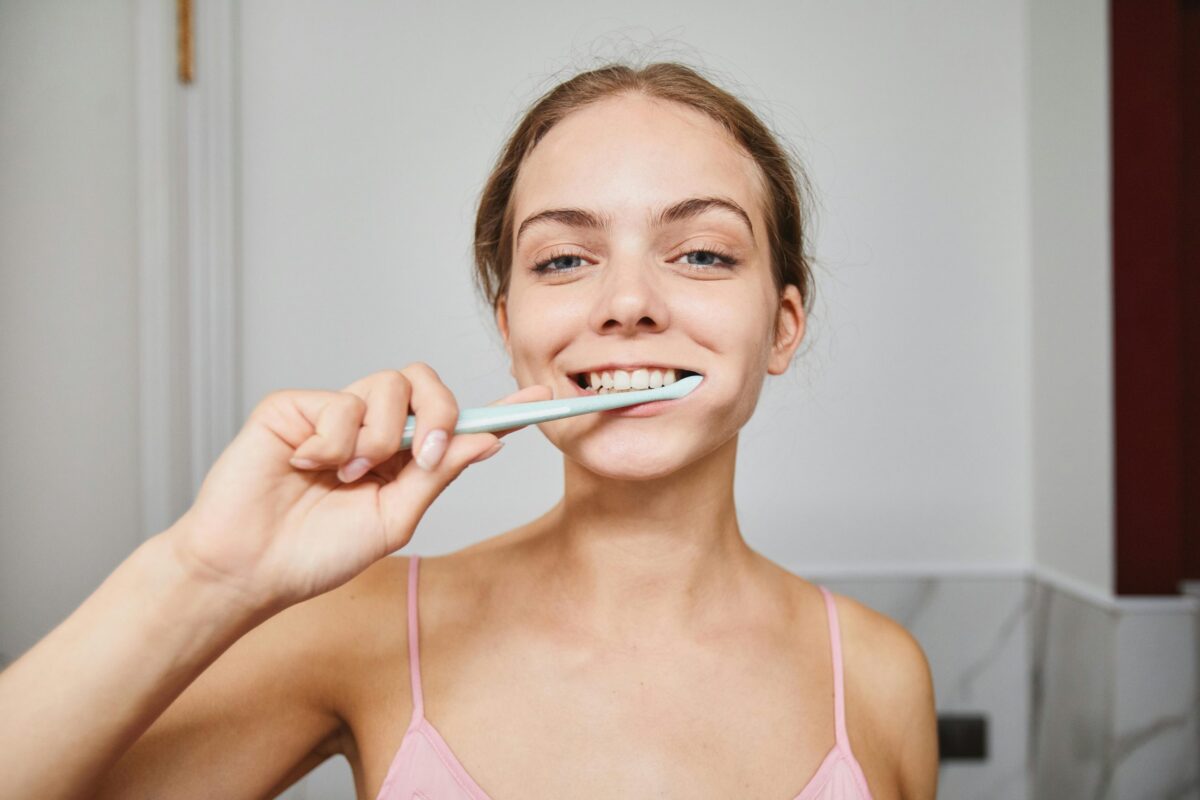
Ever wondered why brushing your teeth every single day is so crucial? The reason is straightforward—it significantly reduces your risk of tooth decay, gum disease, and unpleasant breath. Making daily brushing a priority is essential not only for maintaining a healthy mouth but also for ensuring your confidence and overall wellness. Key Takeaways The Importance of Brushing Your Teeth Daily Brushing your teeth every day is absolutely essential for good oral hygiene. Brushing helps remove dental plaque—a sticky bacterial film that can cause tooth decay and gum disease. Regular brushing, paired with flossing, keeps gums healthy and reduces harmful oral bacteria. Additionally, professional cleanings help prevent gingivitis and cavities, ensuring your teeth and gums remain in excellent health. Furthermore, brushing helps eliminate bad breath, significantly improving social interactions. Let’s explore the specific advantages of brushing your teeth daily. Preventing Tooth Decay Tooth decay begins when plaque, filled with cavity-causing bacteria, isn’t properly removed. These bacteria produce acids that weaken and erode tooth enamel, leading to cavities. Not only are the visible front teeth susceptible, but the back teeth, especially molars, are particularly at risk due to their challenging locations. Ignoring these hard-to-reach areas can lead to severe dental issues, including decay and gum disease. Surprisingly, 57% of adolescents have experienced cavities in their adult teeth, highlighting the necessity of diligent oral care starting early. Comprehensive brushing across all mouth areas can greatly reduce cavity risks and help maintain a vibrant, healthy smile. Reducing Gum Disease Risk Gum disease, or periodontal disease, initiates from plaque accumulation along the gum line, which causes gum inflammation and bleeding if left untreated. Effective brushing techniques remove plaque before it hardens into tartar, a more challenging substance that only dental professionals can remove. This prevention is essential because studies indicate individuals with gum disease have increased risks for cardiovascular conditions, such as heart attacks and strokes. Utilizing proper brushing methods keeps teeth and gums healthy, decreasing the risk of significant health complications. Good oral hygiene thus contributes not just to an attractive smile but to overall physical health. Avoiding Bad Breath Bad breath, medically referred to as halitosis, typically stems from oral bacteria. Regular brushing effectively reduces these bacteria, significantly minimizing bad breath occurrences. Brushing your teeth twice daily ensures fresh breath and boosts confidence, positively impacting your social interactions. This straightforward habit delivers profound benefits for your oral health and overall social experience. Proper Brushing Techniques Brushing your teeth correctly is just as important as doing it consistently. Incorrect brushing techniques can result in poor plaque removal or even damage your teeth and gums. The American Dental Association advises brushing for two minutes, twice each day, using a soft-bristled toothbrush. Gentle, circular motions provide an effective clean while protecting your gums and tooth enamel from damage. Choosing the Right Toothbrush Selecting the appropriate toothbrush greatly impacts your brushing effectiveness. A toothbrush with a smaller head can easily access challenging areas, ensuring a thorough cleaning. Additionally, it should comfortably fit your mouth so all areas receive proper attention. Soft-bristled toothbrushes are highly recommended because they’re gentle on gums and tooth enamel, reducing the risk of damage caused by brushing too aggressively. Using Fluoride Toothpaste Using fluoride toothpaste is essential for optimal dental health since fluoride fortifies tooth enamel, offering substantial protection against cavities. Always choose toothpaste bearing the American Dental Association’s seal of acceptance to guarantee its effectiveness. Brushing Duration and Frequency Brushing your teeth twice daily for a complete two minutes each time is key to effective plaque removal. However, many individuals, especially adolescents, brush for shorter periods, leaving behind plaque that can increase the likelihood of cavities and gum disease. Make a conscious effort to brush the recommended full two minutes, twice daily, to maintain your oral health effectively. Common Brushing Mistakes to Avoid Even with the best intentions, many individuals unknowingly commit brushing mistakes. Errors such as brushing too vigorously, neglecting the back teeth, or not regularly replacing the toothbrush can compromise your oral hygiene efforts. Let’s take a closer look at these common pitfalls to help you optimize your brushing routine. Brushing Too Hard Applying excessive force when brushing is a widespread mistake that can lead to enamel erosion and gum irritation. Remember, thorough cleaning relies on gentle, proper technique rather than brute strength. Neglecting Back Teeth Molars are frequently overlooked due to their placement in the mouth, increasing their susceptibility to plaque buildup and subsequent cavities and gum disease. By correctly angling your toothbrush, you ensure a comprehensive clean. Dedicate extra attention to your molars to protect against dental issues. Not Replacing Your Toothbrush Regularly Many individuals don’t replace their toothbrush as frequently as recommended. Toothbrush bristles wear out over time, becoming less effective at removing plaque. It’s advisable to replace your toothbrush every three months to ensure it remains effective in maintaining proper oral hygiene. Complementary Oral Hygiene Practices While daily brushing is vital, it’s not the only essential habit needed to achieve optimal oral health. Complementary oral hygiene practices such as flossing each day, consistently using mouthwash, and scheduling regular dental visits significantly enhance the effectiveness of your oral care routine. Incorporating these additional habits helps manage harmful bacteria in your mouth, lowers your risk of infections, and improves your overall dental wellness. Let’s explore these additional practices further. Flossing Daily Daily flossing is crucial for maintaining excellent oral hygiene, as it effectively removes plaque and food particles lodged between teeth that your toothbrush can’t reach. To floss correctly, form a gentle C-shape with the floss around each tooth, carefully sliding it to clean the sides thoroughly and completely. Dental floss typically comes in two main varieties—nylon and PTFE—both proven effective for daily flossing. Making flossing a daily habit supports healthy gums and significantly reduces your risk of developing gum disease. Using Mouthwash Adding mouthwash to your daily routine provides another essential layer of oral health protection. Mouthwash helps eliminate lingering bacteria, freshens your breath, and reaches those tricky spots brushing and flossing might miss. Regularly using