
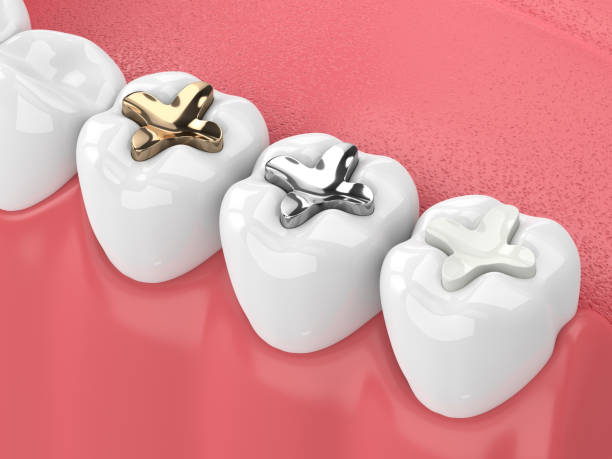
Dental fillings, including cavity fillings, play a vital role in preserving your oral health and treating cavities. This comprehensive guide explores the world of dental fillings, including modern options like tooth-colored materials that offer a more natural look compared to traditional silver fillings. Understanding these choices helps you make informed decisions about your dental care and maintain optimal oral health.
Key Highlights
- Dental fillings serve as crucial treatments for cavity repair and decay prevention
- Multiple dental filling materials are available, from amalgam to composite resin, each offering distinct advantages
- Regular maintenance and proper care significantly extend filling lifespan and promote dental health
The Basics of Dental Fillings
Dental fillings represent more than a simple fix – they’re fundamental to maintaining dental wellness. These restorative procedures repair cavities and minor tooth damage while preventing decay progression. When bacteria convert sugars and starches into acids, they create cavities by damaging tooth enamel. These holes require filling to prevent further deterioration and protect tooth integrity.
Tooth fillings serve to replace compromised enamel and restore normal tooth function and aesthetics. By filling cavities, dentists help protect against additional decay and potential tooth loss. Modern tooth-colored options provide natural-looking results while ensuring durability.
What are Dental Fillings?
Dental fillings are a type of dental restoration designed to fix teeth that have been compromised by tooth decay, cracks, or fractures. These restorations play a crucial role in restoring the natural shape, function, and appearance of the tooth. Dental fillings are made from a variety of materials, such as amalgam, composite resin, gold, and porcelain. The choice of filling material depends on several factors, such as the location and extent of the tooth damage, as well as the patient’s personal preferences and budget.
By filling cavities and repairing minor tooth damage, dental fillings help maintain the integrity of your teeth and prevent further decay. They are essential in preserving your oral health and ensuring that your teeth function properly. Whether you opt for traditional amalgam fillings or modern tooth-colored options, dental fillings provide a reliable solution for maintaining a healthy smile.
Why Dental Fillings Matter
Dental restorations, including fillings, play a crucial role in halting decay and maintaining tooth structure. Untreated cavities can lead to severe complications, including infections and tooth loss. By filling affected areas, dentists strengthen teeth and preserve their functionality. This approach helps maintain natural tooth structure while preventing the need for more extensive dental work.
Some materials, particularly glass ionomer fillings, provide additional benefits by releasing fluoride. This feature offers extra protection against decay, making them especially beneficial for pediatric dental care.
Recognizing When You Need a Filling
Understanding the signs that indicate the need for a filling helps prevent serious dental issues. Key indicators include:
- Persistent tooth pain
- Sensitivity to temperature extremes
- Visible discoloration
- Noticeable holes or pits in teeth
Early intervention can prevent more extensive damage and costly treatments. Watch for these warning signs and consult your dentist promptly if you notice any changes. In some cases, indirect fillings, which are crafted in a laboratory, may be recommended for teeth that are too damaged for traditional fillings but do not require a crown.
Cavity Classifications
Cavities are classified based on their location and size, which helps dentists determine the most appropriate treatment. The most common classification system is the Greene Vardiman Black classification, which categorizes cavities into six classes based on their location on the tooth surface:
- Class I: Cavities on the occlusal (chewing) surface of the tooth.
- Class II: Cavities on the proximal (adjacent) surface of the tooth.
- Class III: Cavities on the lingual (tongue-side) surface of the tooth.
- Class IV: Cavities on the incisal (front) edge of the tooth.
- Class V: Cavities on the cervical (neck) area of the tooth.
- Class VI: Cavities on the cusp (pointed) area of the tooth.
Understanding these classifications helps in identifying the type and severity of the cavity, allowing for more precise and effective treatment. Each class requires a specific approach to ensure the best possible outcome for the patient’s dental health.
Types of Dental Fillings Available
Composite Resin Fillings
Modern composite resin fillings offer exceptional aesthetics by matching your natural tooth color. Dentists apply these fillings in careful layers, using specialized lighting to ensure proper hardening and durability. These materials bond directly with tooth structure, providing additional support and helping prevent future decay.
Glass Ionomer Fillings
These specialized fillings release protective fluoride, actively supporting tooth remineralization. They work exceptionally well for children’s teeth and below-gum-line cavities, offering ongoing protection against decay while maintaining tooth integrity.
The Filling Procedure
Your dentist begins by thoroughly examining the affected area and discussing suitable filling options. After administering local anesthesia, they carefully remove decay and prepare the tooth surface. For composite fillings, the dentist will apply the material in layers, using specialized lighting to ensure proper hardening and durability. The chosen filling material is then precisely placed, shaped, and polished to ensure proper fit and function.
Potential Problems with Dental Fillings
While dental fillings are a common and effective way to repair teeth, there are some potential problems that can occur. One of the most common issues is tooth sensitivity, which can happen when the filling is placed too close to the pulp (nerve) of the tooth. This sensitivity usually subsides over time, but it can be uncomfortable initially.
Another potential problem is the risk of the filling becoming loose or falling out over time. This can occur if the filling is not properly bonded to the tooth or if the tooth is subjected to excessive stress or pressure. In some cases, the filling material can also cause an allergic reaction or irritation to the surrounding tissues. It’s important to discuss any known allergies with your dentist before treatment to ensure the most appropriate material choice.
Caring for Your New Filling
Maintain your cavity fillings through regular brushing, flossing, and dental check-ups. Initially, avoid extremely hot or cold foods and chew carefully until any sensitivity subsides. Good oral hygiene practices help prevent decay around fillings and extend their lifespan significantly.
Managing Post-Filling Sensitivity
Some sensitivity following a filling procedure is normal and typically resolves within a few weeks. Different dental filling materials can cause varying levels of sensitivity, and using sensitive-formula toothpaste can help manage discomfort. If you experience persistent sensitivity, consult your dentist to ensure proper filling placement and rule out other issues.
Long-Term Maintenance
Protect your investment through diligent oral care and regular dental visits, which are essential for maintaining all types of dental restorations. Use a soft-bristled toothbrush and maintain proper flossing technique to prevent plaque accumulation around fillings. Regular professional check-ups help identify and address potential issues before they become serious problems.
When to Replace a Dental Filling
Dental fillings are designed to last for many years, but there may come a time when they need to be replaced. Several factors can necessitate the replacement of a dental filling, including:
- The filling has become loose or fallen out
- The filling has cracked or broken
- The tooth has developed new decay or damage around the filling
- The filling is no longer aesthetically pleasing
- The patient has experienced tooth sensitivity or pain
If you suspect that your dental filling needs to be replaced, it’s essential to schedule an appointment with your dentist as soon as possible. Your dentist can assess the filling and determine the best course of treatment to restore your tooth to its natural shape, function, and appearance. Regular dental check-ups and good oral hygiene practices can help extend the lifespan of your fillings and maintain your overall dental health.
Frequently Asked Questions
What purposes do dental fillings serve? Dental fillings restore damaged teeth and repair cavities, helping maintain both structural integrity and functionality. Tooth fillings are essential in dental care procedures as they address common concerns such as sensitivity after receiving fillings and the longevity and wear of the fillings. Modern options like tooth-colored fillings provide natural-looking solutions for a healthy smile.
What signs suggest I need a filling? Common indicators include ongoing tooth pain, temperature sensitivity, and visible damage or discoloration. Tooth-colored fillings offer discrete solutions for visible areas. Don’t delay seeking professional evaluation if you notice these symptoms.
Which filling types are available? Options include composite resin and glass ionomer materials. Each type offers unique benefits tailored to different dental needs and preferences. Your dentist can help determine the best choice for your situation.
How should I care for a new filling? Maintain good oral hygiene and temporarily avoid hard foods after placement. Regular brushing, flossing, and dental check-ups help ensure filling longevity and overall oral health.
Can filling materials cause allergic reactions? Yes, some patients may experience sensitivity to certain filling materials, particularly metals in amalgam fillings and we don’t use that at our office. Discuss any known allergies with your dentist before treatment to ensure the most appropriate material choice.