Ever wondered why brushing your teeth every single day is so crucial? The reason is straightforward—it significantly reduces your risk of tooth decay, gum disease, and unpleasant breath. Making daily brushing a priority is essential not only for maintaining a healthy mouth but also for ensuring your confidence and overall wellness.
Key Takeaways
- Daily brushing is vital for preventing tooth decay, gum disease, and bad breath. Consistent brushing helps sustain a healthy mouth and increases self-confidence.
- Employing correct brushing techniques and appropriate tools, such as a soft-bristled toothbrush and fluoride toothpaste, is fundamental for effective cleaning.
- Adding complementary habits such as flossing daily, using mouthwash, and scheduling regular dental visits substantially enhances oral hygiene and general health.
The Importance of Brushing Your Teeth Daily
Brushing your teeth every day is absolutely essential for good oral hygiene. Brushing helps remove dental plaque—a sticky bacterial film that can cause tooth decay and gum disease. Regular brushing, paired with flossing, keeps gums healthy and reduces harmful oral bacteria.
Additionally, professional cleanings help prevent gingivitis and cavities, ensuring your teeth and gums remain in excellent health. Furthermore, brushing helps eliminate bad breath, significantly improving social interactions.
Let’s explore the specific advantages of brushing your teeth daily.
Preventing Tooth Decay
Tooth decay begins when plaque, filled with cavity-causing bacteria, isn’t properly removed. These bacteria produce acids that weaken and erode tooth enamel, leading to cavities. Not only are the visible front teeth susceptible, but the back teeth, especially molars, are particularly at risk due to their challenging locations. Ignoring these hard-to-reach areas can lead to severe dental issues, including decay and gum disease.
Surprisingly, 57% of adolescents have experienced cavities in their adult teeth, highlighting the necessity of diligent oral care starting early. Comprehensive brushing across all mouth areas can greatly reduce cavity risks and help maintain a vibrant, healthy smile.
Reducing Gum Disease Risk
Gum disease, or periodontal disease, initiates from plaque accumulation along the gum line, which causes gum inflammation and bleeding if left untreated. Effective brushing techniques remove plaque before it hardens into tartar, a more challenging substance that only dental professionals can remove. This prevention is essential because studies indicate individuals with gum disease have increased risks for cardiovascular conditions, such as heart attacks and strokes.
Utilizing proper brushing methods keeps teeth and gums healthy, decreasing the risk of significant health complications. Good oral hygiene thus contributes not just to an attractive smile but to overall physical health.
Avoiding Bad Breath
Bad breath, medically referred to as halitosis, typically stems from oral bacteria. Regular brushing effectively reduces these bacteria, significantly minimizing bad breath occurrences. Brushing your teeth twice daily ensures fresh breath and boosts confidence, positively impacting your social interactions.
This straightforward habit delivers profound benefits for your oral health and overall social experience.
Proper Brushing Techniques
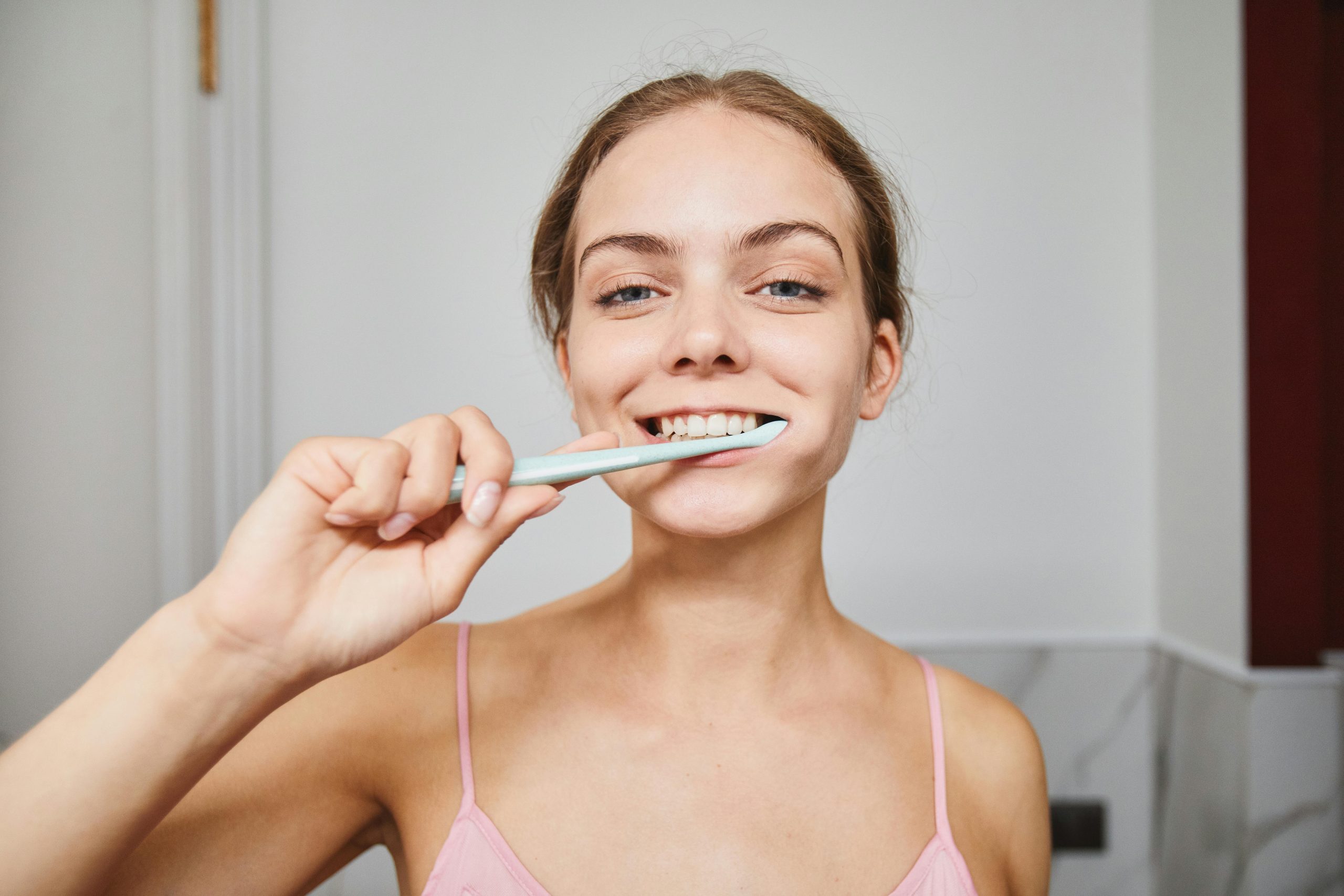
Brushing your teeth correctly is just as important as doing it consistently. Incorrect brushing techniques can result in poor plaque removal or even damage your teeth and gums. The American Dental Association advises brushing for two minutes, twice each day, using a soft-bristled toothbrush. Gentle, circular motions provide an effective clean while protecting your gums and tooth enamel from damage.
Choosing the Right Toothbrush
Selecting the appropriate toothbrush greatly impacts your brushing effectiveness. A toothbrush with a smaller head can easily access challenging areas, ensuring a thorough cleaning. Additionally, it should comfortably fit your mouth so all areas receive proper attention.
Soft-bristled toothbrushes are highly recommended because they’re gentle on gums and tooth enamel, reducing the risk of damage caused by brushing too aggressively.
Using Fluoride Toothpaste
Using fluoride toothpaste is essential for optimal dental health since fluoride fortifies tooth enamel, offering substantial protection against cavities. Always choose toothpaste bearing the American Dental Association’s seal of acceptance to guarantee its effectiveness.
Brushing Duration and Frequency
Brushing your teeth twice daily for a complete two minutes each time is key to effective plaque removal. However, many individuals, especially adolescents, brush for shorter periods, leaving behind plaque that can increase the likelihood of cavities and gum disease.
Make a conscious effort to brush the recommended full two minutes, twice daily, to maintain your oral health effectively.
Common Brushing Mistakes to Avoid
Even with the best intentions, many individuals unknowingly commit brushing mistakes. Errors such as brushing too vigorously, neglecting the back teeth, or not regularly replacing the toothbrush can compromise your oral hygiene efforts.
Let’s take a closer look at these common pitfalls to help you optimize your brushing routine.
Brushing Too Hard
Applying excessive force when brushing is a widespread mistake that can lead to enamel erosion and gum irritation. Remember, thorough cleaning relies on gentle, proper technique rather than brute strength.
Neglecting Back Teeth
Molars are frequently overlooked due to their placement in the mouth, increasing their susceptibility to plaque buildup and subsequent cavities and gum disease. By correctly angling your toothbrush, you ensure a comprehensive clean. Dedicate extra attention to your molars to protect against dental issues.
Not Replacing Your Toothbrush Regularly
Many individuals don’t replace their toothbrush as frequently as recommended. Toothbrush bristles wear out over time, becoming less effective at removing plaque. It’s advisable to replace your toothbrush every three months to ensure it remains effective in maintaining proper oral hygiene.
Complementary Oral Hygiene Practices
While daily brushing is vital, it’s not the only essential habit needed to achieve optimal oral health. Complementary oral hygiene practices such as flossing each day, consistently using mouthwash, and scheduling regular dental visits significantly enhance the effectiveness of your oral care routine. Incorporating these additional habits helps manage harmful bacteria in your mouth, lowers your risk of infections, and improves your overall dental wellness.
Let’s explore these additional practices further.
Flossing Daily
Daily flossing is crucial for maintaining excellent oral hygiene, as it effectively removes plaque and food particles lodged between teeth that your toothbrush can’t reach. To floss correctly, form a gentle C-shape with the floss around each tooth, carefully sliding it to clean the sides thoroughly and completely.
Dental floss typically comes in two main varieties—nylon and PTFE—both proven effective for daily flossing. Making flossing a daily habit supports healthy gums and significantly reduces your risk of developing gum disease.
Using Mouthwash
Adding mouthwash to your daily routine provides another essential layer of oral health protection. Mouthwash helps eliminate lingering bacteria, freshens your breath, and reaches those tricky spots brushing and flossing might miss.
Regularly using mouthwash complements your brushing and flossing habits, ensuring your mouth feels consistently clean and fresh while enhancing your overall dental hygiene.
Regular Dental Check-ups
Regular dental check-ups play a vital role in maintaining your oral health. These routine visits allow dentists to detect and address oral health issues early, preventing them from becoming more severe later on. Professional cleanings and fluoride treatments during these check-ups significantly lower your risk of cavities and gum disease.
For the best results, schedule your dental visits at least twice annually. This regular schedule ensures your mouth remains in optimal health throughout the year.
Brushing for Different Age Groups
Each age group comes with unique brushing needs and distinct oral care challenges. Educating children about proper brushing techniques early sets the foundation for lifelong dental wellness. Teenagers, particularly those with braces, require specialized brushing methods to maintain healthy teeth and gums effectively.
Adults and seniors often need gentler brushing strategies to minimize gum recession and tooth sensitivity issues. Let’s dive deeper into specific recommendations for each age group.
Children’s Dental Care
Introducing and reinforcing good dental habits early in childhood is crucial. Flossing should begin as soon as your child has two teeth that touch. At first, parents should perform flossing for their young children, gradually teaching them how to floss effectively on their own as they mature.
By approximately age ten, most children can independently manage their flossing routine, developing healthy habits that persist throughout their lives.
Teenagers’ Oral Health
Teenagers face specific oral health challenges, particularly those wearing braces. It’s essential for teens to utilize a combination of effective brushing techniques that thoroughly clean around brackets and wires. Special tools like floss threaders or orthodontic floss help maintain excellent oral hygiene despite the challenges presented by orthodontic appliances.
Adults and Seniors
Adults and seniors should adopt gentle brushing approaches to protect against gum recession and increased sensitivity, especially for those with sensitive gums or existing dental concerns. Older adults have a higher risk of gum disease and cavities due to natural wear and tear over time.
Maintaining regular dental check-ups becomes even more important in adulthood and later life stages. These visits allow your dentist to monitor gum health closely, identify issues promptly, and keep your mouth in its healthiest condition.
Impact of Brushing on Overall Health
Your oral hygiene habits significantly impact your overall health, reaching far beyond just your mouth. Practicing good oral care can help prevent inflammation, a known contributor to various systemic health issues. On the other hand, neglecting proper oral hygiene routines can allow plaque to build up, causing gum inflammation and potentially leading to severe health complications.
Brushing your teeth daily is a straightforward habit that effectively prevents plaque accumulation, promoting not only your oral health but your overall wellness as well. In this section, we’ll specifically explore the ways brushing affects your risk for heart disease, diabetes management, and respiratory health.
Heart Disease Prevention
Maintaining good oral hygiene helps prevent gum disease, which often results in inflammation of the gums. This inflammation doesn’t just stay localized—it can spread throughout the body and has been linked to an increased risk of heart disease and cardiovascular complications.
By brushing and flossing regularly, you’re reducing harmful gum inflammation and significantly lowering your overall risk of developing heart disease.
Diabetes Management
Proper oral hygiene is also essential for effective diabetes management. Gum disease, or periodontal disease, can negatively affect blood sugar control, making diabetes more challenging to manage effectively. Implementing effective oral hygiene practices, including daily brushing, helps prevent gum disease and supports stable blood sugar levels—an especially crucial factor for individuals living with diabetes.
Good oral health routines aren’t just beneficial—they’re critical for diabetic patients seeking overall wellness.
Respiratory Health
Poor oral hygiene has been directly linked to respiratory issues. When bacteria accumulate in the mouth due to inadequate oral care, these harmful bacteria can be inhaled into the lungs, potentially causing infections such as pneumonia. Regular brushing and flossing significantly reduce bacterial buildup, minimizing your risk of respiratory infections and fostering better overall health.
Maintaining cleanliness in your mouth has profound health implications that extend beyond simply preventing bad breath or tooth decay.
Summary
Brushing your teeth daily is a simple yet incredibly impactful habit for maintaining excellent oral health and improving overall well-being. Whether it’s preventing tooth decay, reducing the risk of gum disease, or simply avoiding bad breath, the advantages of consistent brushing are both numerous and significant. By following recommended brushing techniques, steering clear of common pitfalls, and incorporating supplementary oral hygiene practices like flossing and mouthwash use, you can greatly enhance your oral hygiene.
Keep in mind, oral hygiene isn’t just about maintaining a bright, confident smile—it’s fundamental to overall body health. By consistently adopting these simple yet powerful practices, you can ensure a lifetime of healthy teeth and gums, while minimizing your risk of severe health conditions. So go ahead, grab your toothbrush, and make every one of those two minutes count!
Frequently Asked Questions
How often should I replace my toothbrush?
For optimal oral hygiene, we recommend replacing your toothbrush every three months. Over time, bristles become worn and less effective, so changing your brush regularly helps ensure your teeth stay thoroughly clean and healthy.
Why is flossing important?
Flossing is an essential part of your oral care routine because it effectively removes plaque and food particles stuck between teeth—places your toothbrush can’t easily access. Incorporating flossing daily prevents cavities and gum disease, helping you maintain a bright and healthy smile.
How can I prevent bad breath?
The key to preventing bad breath is a consistent oral hygiene routine. Brush and floss daily, and add a mouthwash to your regimen to eliminate bacteria responsible for unpleasant odors. This simple combination can significantly enhance your oral freshness and confidence.
What type of toothbrush should I use?
Choose a toothbrush with soft bristles and a smaller head. These toothbrushes effectively clean your teeth while being gentle enough to avoid irritation to gums and enamel. This simple choice makes a substantial difference in protecting your oral health.
How long should I brush my teeth?
We recommend brushing your teeth for two minutes, twice each day. Committing to this routine thoroughly cleans your teeth, removing harmful plaque and bacteria. It’s a straightforward habit with significant benefits for your overall oral health!