Keep Your Smile Healthy: Why Daily Brushing Is Vital for Your Oral Health

Ever wondered why brushing your teeth every single day is so crucial? The reason is straightforward—it significantly reduces your risk of tooth decay, gum disease, and unpleasant breath. Making daily brushing a priority is essential not only for maintaining a healthy mouth but also for ensuring your confidence and overall wellness. Key Takeaways  The Importance of Brushing Your Teeth Daily Brushing your teeth every day is absolutely essential for good oral hygiene. Brushing helps remove dental plaque—a sticky bacterial film that can cause tooth decay and gum disease. Regular brushing, paired with flossing, keeps gums healthy and reduces harmful oral bacteria. Additionally, professional cleanings help prevent gingivitis and cavities, ensuring your teeth and gums remain in excellent health. Furthermore, brushing helps eliminate bad breath, significantly improving social interactions. Let’s explore the specific advantages of brushing your teeth daily. Preventing Tooth Decay Tooth decay begins when plaque, filled with cavity-causing bacteria, isn’t properly removed. These bacteria produce acids that weaken and erode tooth enamel, leading to cavities. Not only are the visible front teeth susceptible, but the back teeth, especially molars, are particularly at risk due to their challenging locations. Ignoring these hard-to-reach areas can lead to severe dental issues, including decay and gum disease. Surprisingly, 57% of adolescents have experienced cavities in their adult teeth, highlighting the necessity of diligent oral care starting early. Comprehensive brushing across all mouth areas can greatly reduce cavity risks and help maintain a vibrant, healthy smile. Reducing Gum Disease Risk Gum disease, or periodontal disease, initiates from plaque accumulation along the gum line, which causes gum inflammation and bleeding if left untreated. Effective brushing techniques remove plaque before it hardens into tartar, a more challenging substance that only dental professionals can remove. This prevention is essential because studies indicate individuals with gum disease have increased risks for cardiovascular conditions, such as heart attacks and strokes. Utilizing proper brushing methods keeps teeth and gums healthy, decreasing the risk of significant health complications. Good oral hygiene thus contributes not just to an attractive smile but to overall physical health. Avoiding Bad Breath Bad breath, medically referred to as halitosis, typically stems from oral bacteria. Regular brushing effectively reduces these bacteria, significantly minimizing bad breath occurrences. Brushing your teeth twice daily ensures fresh breath and boosts confidence, positively impacting your social interactions. This straightforward habit delivers profound benefits for your oral health and overall social experience. Proper Brushing Techniques Brushing your teeth correctly is just as important as doing it consistently. Incorrect brushing techniques can result in poor plaque removal or even damage your teeth and gums. The American Dental Association advises brushing for two minutes, twice each day, using a soft-bristled toothbrush. Gentle, circular motions provide an effective clean while protecting your gums and tooth enamel from damage. Choosing the Right Toothbrush Selecting the appropriate toothbrush greatly impacts your brushing effectiveness. A toothbrush with a smaller head can easily access challenging areas, ensuring a thorough cleaning. Additionally, it should comfortably fit your mouth so all areas receive proper attention. Soft-bristled toothbrushes are highly recommended because they’re gentle on gums and tooth enamel, reducing the risk of damage caused by brushing too aggressively. Using Fluoride Toothpaste Using fluoride toothpaste is essential for optimal dental health since fluoride fortifies tooth enamel, offering substantial protection against cavities. Always choose toothpaste bearing the American Dental Association’s seal of acceptance to guarantee its effectiveness. Brushing Duration and Frequency Brushing your teeth twice daily for a complete two minutes each time is key to effective plaque removal. However, many individuals, especially adolescents, brush for shorter periods, leaving behind plaque that can increase the likelihood of cavities and gum disease. Make a conscious effort to brush the recommended full two minutes, twice daily, to maintain your oral health effectively. Common Brushing Mistakes to Avoid Even with the best intentions, many individuals unknowingly commit brushing mistakes. Errors such as brushing too vigorously, neglecting the back teeth, or not regularly replacing the toothbrush can compromise your oral hygiene efforts. Let’s take a closer look at these common pitfalls to help you optimize your brushing routine. Brushing Too Hard Applying excessive force when brushing is a widespread mistake that can lead to enamel erosion and gum irritation. Remember, thorough cleaning relies on gentle, proper technique rather than brute strength. Neglecting Back Teeth Molars are frequently overlooked due to their placement in the mouth, increasing their susceptibility to plaque buildup and subsequent cavities and gum disease. By correctly angling your toothbrush, you ensure a comprehensive clean. Dedicate extra attention to your molars to protect against dental issues. Not Replacing Your Toothbrush Regularly Many individuals don’t replace their toothbrush as frequently as recommended. Toothbrush bristles wear out over time, becoming less effective at removing plaque. It’s advisable to replace your toothbrush every three months to ensure it remains effective in maintaining proper oral hygiene. Complementary Oral Hygiene Practices While daily brushing is vital, it’s not the only essential habit needed to achieve optimal oral health. Complementary oral hygiene practices such as flossing each day, consistently using mouthwash, and scheduling regular dental visits significantly enhance the effectiveness of your oral care routine. Incorporating these additional habits helps manage harmful bacteria in your mouth, lowers your risk of infections, and improves your overall dental wellness. Let’s explore these additional practices further. Flossing Daily Daily flossing is crucial for maintaining excellent oral hygiene, as it effectively removes plaque and food particles lodged between teeth that your toothbrush can’t reach. To floss correctly, form a gentle C-shape with the floss around each tooth, carefully sliding it to clean the sides thoroughly and completely. Dental floss typically comes in two main varieties—nylon and PTFE—both proven effective for daily flossing. Making flossing a daily habit supports healthy gums and significantly reduces your risk of developing gum disease. Using Mouthwash Adding mouthwash to your daily routine provides another essential layer of oral health protection. Mouthwash helps eliminate lingering bacteria, freshens your breath, and reaches those tricky spots brushing and flossing might miss. Regularly using


Dental Crowns: Types, Benefits, Procedure & Cost Breakdown

A dental crown is a custom-made cap placed over a damaged or weakened tooth to restore its shape, strength, and appearance. If you have a cracked, broken, or severely decayed tooth, a crown can reinforce it and bring back full functionality—helping you chew, speak, and smile with confidence. In this guide, we’ll cover everything you need to know about dental crowns—the different types, their benefits, what to expect during the procedure, cost factors, and how to care for them. Key Takeaways What Are Dental Crowns? A dental crown is a protective cap that covers a damaged, decayed, or weakened tooth, restoring its shape, size, and function. Crowns are custom-designed to fit seamlessly over your tooth, strengthening it while maintaining a natural look. Types of Dental Crowns:Dental crowns come in different materials, each offering unique advantages: Choosing the right material depends on factors like durability, aesthetics, and the location of the tooth being restored. Beyond improving appearance, dental crowns play a crucial role in strengthening teeth. If a tooth is severely worn down, fractured, or compromised, a crown reinforces it, restoring its full function and allowing you to chew and speak comfortably. Crowns can also provide pain relief by covering and protecting teeth that are cracked or sensitive. Additionally, for front teeth, crowns are designed to match your natural tooth color, ensuring your smile stays bright, seamless, and natural-looking. Why You Might Need a Dental Crown A dental crown isn’t just about improving your smile—it plays a crucial role in protecting and restoring the strength of your teeth. Here are some of the most common reasons a crown might be recommended: Whether for strength, function, or appearance, dental crowns offer a versatile and long-lasting solution to restore and protect your teeth. Types of Dental Crowns Dental crowns come in several materials, each offering unique benefits based on durability, aesthetics, and individual needs. Here’s a breakdown of the most common types: Choosing the right dental crown depends on factors like function, durability, and aesthetics. Your dentist will help determine the best option to restore and protect your smile. The Dental Crown Procedure Getting a dental crown is a straightforward process designed to restore and protect your tooth with comfort and precision. Here’s what to expect: With modern dental technology, getting a crown is efficient, precise, and designed to restore both function and aesthetics—allowing you to smile, chew, and speak with confidence. Caring for Your Dental Crown Proper care is essential to maximize the lifespan and durability of your dental crown. With the right maintenance, your crown can provide long-lasting protection and functionality for over a decade. Daily Oral Hygiene Foods to Avoid Regular Dental Checkups Routine dental visits are key to monitoring the condition of your crown and ensuring a secure fit. If you experience any discomfort or sensitivity, your dentist can adjust or replace the crown if needed. Managing Sensitivity If your crown doesn’t fully cover the tooth, exposed dentin can lead to temperature sensitivity. Let your dentist know if you notice discomfort, so they can evaluate and address any concerns. With proper care, your dental crown will continue to protect and restore your smile for years to come. Benefits and Risks of Dental Crowns Dental crowns are a versatile and effective solution for restoring and protecting teeth, but like any dental treatment, they come with both advantages and potential risks. Benefits of Dental Crowns Potential Risks of Dental Crowns While dental crowns offer long-term protection and aesthetic benefits, working with a skilled dentist ensures they are properly placed and well-maintained for optimal results. Potential Complications While dental crowns are designed to restore and protect your teeth, occasional complications can arise. Addressing these issues promptly with your dentist ensures long-term comfort and function. Regular dental check-ups are essential to ensure your crown remains in excellent condition, providing lasting protection, comfort, and function. If you experience any discomfort or notice changes, don’t hesitate to contact your dentist. Alternatives to Dental Crowns If a dental crown isn’t the best solution for your specific needs, there are several alternative treatments to consider. Your dentist will evaluate your oral health, tooth structure, and long-term goals to determine the most effective option. Common Alternatives to Dental Crowns In some cases, a combination of crowns and partial dentures may be recommended to restore function and aesthetics. Exploring all available options ensures you receive the best possible treatment to protect your oral health and smile. Cost of Dental Crowns The cost of a dental crown varies based on the material used, location of the tooth, and complexity of the procedure. On average, crowns range from $800 to $2,500, with pricing influenced by factors like durability, aesthetics, and biocompatibility. Cost by Material Type Since every patient’s dental needs are unique, consulting with your dentist or prosthodontist will help determine the best material and pricing based on your oral health, function, and aesthetic goals. Final Thoughts Dental crowns are a reliable and long-lasting solution for restoring damaged, decayed, or weakened teeth, offering both functional and aesthetic benefits. While they come with considerations such as material choices and potential risks, their ability to protect, strengthen, and enhance your smile makes them a widely recommended treatment. By understanding the types of crowns, the procedure, and proper care, you can make informed decisions about your oral health. Consulting with your dental professional ensures you receive the best solution tailored to your needs—helping you maintain a healthy, confident smile for years to come. Frequently Asked Questions What materials are used to make dental crowns? Dental crowns are crafted from porcelain, zirconia, gold alloy, or porcelain-fused-to-metal (PFM). Each material offers unique benefits, from natural aesthetics to exceptional durability, depending on your specific dental needs. How long do dental crowns last? With proper care and regular dental checkups, crowns can last 10-15 years or longer. Good oral hygiene and avoiding excessive wear help extend their lifespan. Is getting a dental crown painful? No—local anesthesia ensures a comfortable and pain-free experience. Most patients feel minimal discomfort,

The Importance of Regular Dental Checkups: Your Essential Guide to Lifelong Oral Health

Routine dental checkups play a vital role in maintaining your oral health and catching potential issues before they escalate. These visits are more than just routine—they are a proactive approach to preventing common dental concerns such as cavities and gum disease, while also helping to identify early signs of broader health conditions. Prioritizing regular dental visits can save you from more complex and costly treatments down the road. In this guide, we’ll explore why staying on top of your dental appointments is crucial and what you can expect during a standard checkup. Key Takeaways Why Regular Dental Checkups Are Essential Routine dental checkups are a cornerstone of maintaining optimal oral health. These visits go beyond just keeping your smile looking its best—they play a crucial role in detecting and addressing potential dental issues before they escalate. Catching concerns like tooth decay and gum disease early can prevent the need for more complex and costly treatments down the line. But the benefits don’t stop at your mouth. Your oral health is closely linked to your overall well-being. In fact, routine dental exams can sometimes reveal signs of systemic conditions such as diabetes or heart disease, making these visits an important part of your broader health care routine. By staying committed to regular dental visits, you’re taking a proactive approach to protecting your health. These checkups help prevent dental problems and keep your teeth and gums in excellent condition, so you can enjoy a confident, healthy smile for years to come. What to Expect During a Dental Checkup A regular dental checkup is a comprehensive process designed to keep your smile healthy and address potential concerns before they become serious. These visits typically include a professional cleaning, a thorough examination, and, if necessary, x-rays tailored to your individual needs. Understanding what happens during a checkup can help ease any dental anxiety and ensure you feel informed and comfortable throughout the process. Your appointment will typically begin with a meticulous cleaning performed by a dental hygienist. This step involves removing plaque and tartar buildup that daily brushing and flossing may miss. Not only does this leave your teeth feeling fresh and polished, but it also plays a crucial role in preventing cavities and gum disease. Following the cleaning, your dentist will conduct a comprehensive examination to assess your oral health. They will check for signs of cavities, gum disease, and even early indicators of oral cancer—problems that may not yet be causing noticeable symptoms. In some cases, dental x-rays may be recommended to detect hidden issues such as bone loss, deep cavities, or other concerns that aren’t visible during a standard exam. These diagnostic tools allow your dentist to develop a proactive plan to keep your oral health on track. How Often Should You Schedule a Dental Checkup? The ideal frequency of dental checkups can vary based on individual needs, but as a general guideline, visiting your dentist every six months is recommended. This bi-annual schedule allows for early detection and treatment of potential dental issues, helping to prevent more serious complications down the road. However, dental care isn’t one-size-fits-all. Some individuals may require more or less frequent visits depending on their oral health status. For example, those with excellent oral health and a low risk of dental issues might only need a checkup every 18 to 24 months. Conversely, individuals with gum disease or other ongoing dental concerns may benefit from visits every 2 to 6 months to effectively manage their condition. Lifestyle choices, personal health history, and underlying medical conditions also play a role in determining the right checkup schedule. For children, early dental visits are essential to establish a strong foundation for lifelong oral health. It’s recommended that a child’s first dental appointment take place within six months of their first tooth erupting or by their first birthday. After that, regular visits—at least once a year—are crucial to monitor dental development and prevent potential issues as they grow. The Power of Early Detection and Prevention in Dental Health When it comes to maintaining a healthy smile, early detection is key. Regular dental checkups provide an opportunity to catch potential issues—such as gum disease and tooth decay—before they progress into more serious concerns. Identifying problems early allows for simpler, less invasive treatments, ultimately saving you from more complex and costly procedures down the road. Preventive care is the foundation of long-term oral health. During routine visits, your dentist may recommend preventive treatments such as fluoride applications to help protect against cavities. This is particularly beneficial for children, as fluoride strengthens developing teeth and helps ward off decay, setting the stage for a lifetime of healthy smiles. In addition to cavity prevention, regular checkups are essential for tracking a child’s dental development. Monitoring factors like tooth alignment and bite can help identify potential concerns early, allowing for timely interventions that prevent more serious complications as they grow. At the end of the day, prevention is always the best approach. Regular dental visits are your strongest defense against dental problems, helping you maintain a confident, healthy smile for years to come. The Vital Role of Your Dental Care Team A successful dental checkup is made possible by a dedicated dental care team, working together to support your oral health. This team typically includes both dentists and dental hygienists, each playing a crucial role in maintaining and improving your smile. Dental hygienists are at the forefront of preventive care, performing professional cleanings to remove plaque and tartar while offering personalized advice on maintaining optimal oral hygiene at home. Their expertise helps you stay on track between visits and prevents common issues like cavities and gum disease. During your appointment, the dental hygienist will begin by thoroughly cleaning your teeth and conducting a preliminary assessment of your oral health. Following this, the dentist will perform a comprehensive examination to detect any underlying concerns and discuss any necessary treatment options. This collaborative approach ensures that every aspect of your dental health is carefully addressed. Building

Recognizing Gum Disease: What Every Patient Should Know

Your gum health matters more than you think. Gum disease often starts with subtle symptoms that are easy to overlook—but catching them early can make all the difference. In this post, we’ll guide you through the most common signs, like bleeding gums, persistent bad breath, and swelling, so you can take steps to protect your smile. Quick Facts Early Signs of Gum Disease: What to Watch For Catching gum disease in its early stages can make a big difference in preserving your oral health. Symptoms like bleeding, swelling, and redness in your gums shouldn’t be ignored. Routine dental visits are key to identifying these warning signs before they progress into something more serious. If you’re experiencing any of the symptoms below, don’t wait—consult your dental professional to protect your smile. Bleeding Gums Bleeding when you brush or floss isn’t normal—it’s often the first sign of gum disease. This bleeding is a result of inflammation, which could mean you’re dealing with gingivitis, the earliest stage of gum disease. Without treatment, gingivitis can worsen, leading to problems like tooth sensitivity or even bone loss. The good news? Early treatment can prevent these complications. Swollen Gums Swelling in your gums is another red flag. You might notice puffiness, soreness, or tenderness, making it uncomfortable to eat or brush. Swelling is often your body’s response to plaque buildup along the gumline. Addressing it early can stop the progression to more severe gum disease. Red Gums Healthy gums should be firm and a natural pale pink. When gums turn red, it’s a sign of inflammation caused by bacteria and plaque. Redness often pairs with swelling and bleeding, signaling that your gums need immediate attention. With timely care, inflammation can be reversed, and your gums can return to a healthy state. Advanced Signs of Periodontal Disease: What You Should Know When gum disease advances, it can lead to serious complications like periodontitis. Identifying advanced symptoms such as chronic bad breath, loose or sensitive teeth, and receding gums is crucial to preventing tooth loss and safeguarding your overall health. Persistent Bad Breath Bad breath that won’t go away—known as halitosis—can be more than a social concern. It’s often a sign of a deeper gum infection caused by bacteria and plaque buildup. If you’re struggling with chronic bad breath, it’s a signal that your gums may need professional attention. Treating the underlying infection is key to restoring both your oral health and your confidence. Loose or Sensitive Teeth Periodontal disease can lead to bone loss around your teeth, causing them to feel loose or even shift in your mouth. You may also notice increased sensitivity, especially if gum recession has exposed the roots of your teeth. Addressing these symptoms promptly can prevent further damage and help stabilize your teeth. Receding Gums Receding gums are a clear indicator of periodontal disease. When gums pull away from your teeth, they form pockets that trap bacteria and accelerate the condition. This not only makes your teeth look longer but also increases your risk of decay, infection, and tooth loss. Early intervention can help halt recession and protect your smile. Causes and Risk Factors: What Leads to Gum Disease? Understanding the causes and risk factors behind gum disease is the first step in protecting your oral health. Factors like poor oral hygiene, tobacco use, and even genetics play a significant role in the development of this condition. Poor Oral Hygiene Neglecting your oral hygiene is the most common cause of gum disease. Without regular brushing and flossing, plaque—a sticky film of bacteria—builds up on your teeth. Over time, this plaque hardens into tartar, which irritates the gums and leads to gingivitis. Left untreated, it can progress to more severe forms of gum disease, like periodontitis. Consistent oral care is your best defense. Smoking and Tobacco Use Tobacco use, whether through smoking or chewing, dramatically increases the risk of gum disease. Smokers are more likely to develop severe gum conditions, like periodontitis, than non-smokers. The chemicals in tobacco not only damage your gums but also hinder their ability to heal, making it harder to fight off infection. Genetic Predisposition Sometimes, gum disease runs in the family. If you have a genetic predisposition, you might be more susceptible to developing gum issues even with good oral care habits. Knowing your family history allows you to take proactive measures, such as scheduling regular dental checkups and maintaining a meticulous oral hygiene routine. The Hidden Risks of Untreated Gum Disease Ignoring gum disease doesn’t just jeopardize your smile—it can lead to serious complications that affect your entire well-being. From tooth loss to systemic health issues, the consequences of untreated gum disease highlight the importance of timely care and prevention. Tooth Loss Advanced periodontal disease is the leading cause of tooth loss in adults. As the condition progresses, it creates deep pockets around the teeth where harmful bacteria thrive. Over time, this damages the surrounding bone and connective tissue, eventually leading to tooth loss. The good news? Maintaining a consistent oral hygiene routine and seeking early treatment can help preserve your teeth and prevent this outcome. Impact on Overall Health Gum disease doesn’t stop at your mouth—it’s linked to a range of systemic health conditions. Research has found strong associations between periodontitis and issues like heart disease, diabetes, and even respiratory conditions. Healthy gums aren’t just essential for a strong smile—they’re a cornerstone of overall health. Prioritizing gum care can have benefits that go far beyond your teeth. The Hidden Risks of Untreated Gum Disease Ignoring gum disease doesn’t just jeopardize your smile—it can lead to serious complications that affect your entire well-being. From tooth loss to systemic health issues, the consequences of untreated gum disease highlight the importance of timely care and prevention. Tooth Loss Advanced periodontal disease is the leading cause of tooth loss in adults. As the condition progresses, it creates deep pockets around the teeth where harmful bacteria thrive. Over time, this damages the surrounding bone and connective tissue, eventually leading to

Unveiling Fluoride’s Role in Dental Care and Its Oral Wellness Benefits

Fluoride stands as a cornerstone in the battle against dental erosion. In particular, fluoride’s mission in combating tooth deterioration involves bolstering dental armor and amplifying teeth’s defense against acidic onslaughts from bacterial colonies and sugars, thus curtailing cavity potential. This piece will delve into fluoride’s mechanisms, origins, and the advantages it confers on oral wellness. Expert fluoride applications also serve as a potent tactic in thwarting tooth erosion. Core Insights Grasping Fluoride’s Significance Fluoride is an element naturally present in various aquatic bodies, including seas and streams. It plays a pivotal role in oral wellness, primarily by reinforcing teeth and minimizing cavity risk. Envision fluoride as a guardian for your dental armor, the resilient outer layer of your teeth that shields against erosion. But how precisely does fluoride help prevent tooth erosion? Fluoride integrates into the tooth framework, enhancing teeth’s resilience against acidic assaults from bacterial colonies and oral sugars. Moreover, fluoride oral solutions can be employed as an additional method to incorporate fluoride into the tooth structure. This element not only fortifies your teeth but also aids in mending early tooth erosion, making it an indispensable component in dental care regimens. Fluoride Sources Fluoride is routinely introduced to public water reserves, a practice known as water enrichment, which has been proven to significantly prevent tooth erosion. Fluoride-infused dental paste is another everyday source, ensuring that we receive a small but effective dose of fluoride with each cleansing session. Oral rinses and fluoride supplements are also available for those seeking additional protection. Beyond these, fluoride can be found naturally in various foods. For instance, brewed tea generally contains higher levels of fluoride due to the plant’s ability to absorb fluoride from the soil. The inclusion of fluoride in these everyday items facilitates maintaining optimal fluoride levels for oral wellness. Fluoride’s Modus Operandi Fluoride works wonders by reinforcing dental armor through the formation of fluorapatite, a mineral more impervious to acid than the original enamel. This transformation significantly reduces the risk of cavities by making the enamel less susceptible to acid attacks from plaque bacteria and sugary foods. Fluoride also hinders plaque bacteria’s ability to produce acid, thereby reducing overall acid levels in the oral cavity. Additionally, fluoride promotes the remineralization of early carious lesions, effectively reversing early signs of decay and restoring minerals to the tooth structure. Fluoride-enriched dental paste is a common product that aids in the remineralization of early carious lesions. This dual action of preventing demineralization and enhancing remineralization makes fluoride an invaluable ally in the fight against tooth erosion. The Tooth Erosion Cycle Tooth erosion occurs when acids assault the dental armor, leading to the breakdown of its structure. This process begins with demineralization, where minerals like calcium and phosphate are lost from the enamel due to acid attacks. Over time, this weakens the enamel, making it more prone to cavities. Plaque bacteria play a significant role in this process. These microorganisms feed on sugars and starches in the mouth, producing acids as a byproduct. Streptococcus mutans, in particular, is notorious for adhering to tooth surfaces and eroding enamel with its acid production. Understanding this process highlights the importance of preventive measures like fluoride to maintain oral wellness. Additionally, consuming enriched water is an important preventive measure against tooth erosion. Early Markers of Tooth Erosion Initial indicators of tooth erosion often go unnoticed until they become more severe. At first, you might observe chalky spots on the enamel, signaling demineralization. These spots result from acids produced by bacteria during sugar fermentation, which dissolve the minerals in your teeth. If left unchecked, these chalky spots can morph into brownish areas and eventually cavities. This progression underscores the importance of early detection and preventive measures, such as using fluoride-infused dental paste, fluoride treatments, and practicing good oral hygiene, to halt the erosion process before it advances. The Influence of Plaque Microorganisms Plaque microorganisms are the hidden culprits behind tooth erosion. These bacteria form a sticky film called plaque on your teeth, thriving on sugars and starches from your diet. As they metabolize these substances, they produce acids that erode dental armor, leading to cavities. The battle against tooth erosion is essentially a battle against these plaque microorganisms. Fluoride reduces bacteria’s ability to produce acid, helping to prevent tooth erosion and maintain healthier teeth. Regular cleansing with fluoride-infused dental paste and using oral solutions can significantly reduce plaque buildup and its damaging effects. Additionally, fluoride oral solutions are an effective method to reduce plaque microorganisms. Fluoride’s Contribution to Preventing Tooth Erosion Fluoride significantly enhances dental armor strength and lowers the likelihood of cavity formation. It prevents dental caries by disrupting bacteria’s ability to produce acid. Furthermore, fluoride strengthens enamel, making it more resistant to acid attacks from plaque bacteria. Fluoride facilitates the remineralization of teeth, helping to reverse early tooth erosion. Fluoride sealant is a treatment that aids in the remineralization of teeth. Incorporating fluoride into your daily oral hygiene routine can significantly improve enamel strength and reduce cavity risk. This dual action of preventing demineralization and enhancing remineralization makes fluoride a formidable ally in oral health. Topical Fluoride Interventions Topical fluoride interventions, like fluoride gel and sealant, are often administered by dental professionals for maximum effectiveness. These treatments provide extended protection against cavities, lasting several months. Regular dental visits are crucial for receiving these professional treatments and tailored oral health advice. Fluoride oral solutions are another effective topical fluoride intervention that helps eliminate food particles and rebuild dental armor. For children, fluoride sealant can be applied up to four times a year to enhance enamel strength and prevent early tooth erosion. Recommended Fluoride Usage Using fluoride correctly is crucial for maximizing its benefits while minimizing risks. Fluoride-containing products, such as dental paste, rinses, gels, and sealants, should be used based on age and oral health needs. The recommended fluoride concentration for community water enrichment is 0.7 mg/L. Different age groups have specific fluoride needs. For instance, community water enrichment particularly benefits children with deciduous and mixed dentition.

Understanding Your Options in Dental Fillings

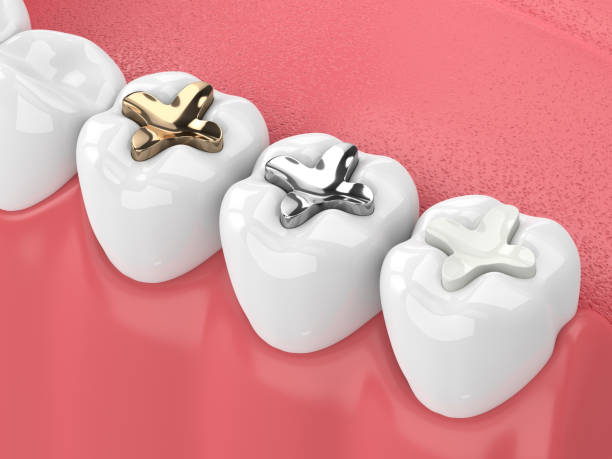
Dental fillings, including cavity fillings, play a vital role in preserving your oral health and treating cavities. This comprehensive guide explores the world of dental fillings, including modern options like tooth-colored materials that offer a more natural look compared to traditional silver fillings. Understanding these choices helps you make informed decisions about your dental care and maintain optimal oral health. Key Highlights The Basics of Dental Fillings Dental fillings represent more than a simple fix – they’re fundamental to maintaining dental wellness. These restorative procedures repair cavities and minor tooth damage while preventing decay progression. When bacteria convert sugars and starches into acids, they create cavities by damaging tooth enamel. These holes require filling to prevent further deterioration and protect tooth integrity. Tooth fillings serve to replace compromised enamel and restore normal tooth function and aesthetics. By filling cavities, dentists help protect against additional decay and potential tooth loss. Modern tooth-colored options provide natural-looking results while ensuring durability. What are Dental Fillings? Dental fillings are a type of dental restoration designed to fix teeth that have been compromised by tooth decay, cracks, or fractures. These restorations play a crucial role in restoring the natural shape, function, and appearance of the tooth. Dental fillings are made from a variety of materials, such as amalgam, composite resin, gold, and porcelain. The choice of filling material depends on several factors, such as the location and extent of the tooth damage, as well as the patient’s personal preferences and budget. By filling cavities and repairing minor tooth damage, dental fillings help maintain the integrity of your teeth and prevent further decay. They are essential in preserving your oral health and ensuring that your teeth function properly. Whether you opt for traditional amalgam fillings or modern tooth-colored options, dental fillings provide a reliable solution for maintaining a healthy smile. Why Dental Fillings Matter Dental restorations, including fillings, play a crucial role in halting decay and maintaining tooth structure. Untreated cavities can lead to severe complications, including infections and tooth loss. By filling affected areas, dentists strengthen teeth and preserve their functionality. This approach helps maintain natural tooth structure while preventing the need for more extensive dental work. Some materials, particularly glass ionomer fillings, provide additional benefits by releasing fluoride. This feature offers extra protection against decay, making them especially beneficial for pediatric dental care. Recognizing When You Need a Filling Understanding the signs that indicate the need for a filling helps prevent serious dental issues. Key indicators include: Early intervention can prevent more extensive damage and costly treatments. Watch for these warning signs and consult your dentist promptly if you notice any changes. In some cases, indirect fillings, which are crafted in a laboratory, may be recommended for teeth that are too damaged for traditional fillings but do not require a crown. Cavity Classifications Cavities are classified based on their location and size, which helps dentists determine the most appropriate treatment. The most common classification system is the Greene Vardiman Black classification, which categorizes cavities into six classes based on their location on the tooth surface: Understanding these classifications helps in identifying the type and severity of the cavity, allowing for more precise and effective treatment. Each class requires a specific approach to ensure the best possible outcome for the patient’s dental health. Types of Dental Fillings Available Composite Resin Fillings Modern composite resin fillings offer exceptional aesthetics by matching your natural tooth color. Dentists apply these fillings in careful layers, using specialized lighting to ensure proper hardening and durability. These materials bond directly with tooth structure, providing additional support and helping prevent future decay. Glass Ionomer Fillings These specialized fillings release protective fluoride, actively supporting tooth remineralization. They work exceptionally well for children’s teeth and below-gum-line cavities, offering ongoing protection against decay while maintaining tooth integrity. The Filling Procedure Your dentist begins by thoroughly examining the affected area and discussing suitable filling options. After administering local anesthesia, they carefully remove decay and prepare the tooth surface. For composite fillings, the dentist will apply the material in layers, using specialized lighting to ensure proper hardening and durability. The chosen filling material is then precisely placed, shaped, and polished to ensure proper fit and function. Potential Problems with Dental Fillings While dental fillings are a common and effective way to repair teeth, there are some potential problems that can occur. One of the most common issues is tooth sensitivity, which can happen when the filling is placed too close to the pulp (nerve) of the tooth. This sensitivity usually subsides over time, but it can be uncomfortable initially. Another potential problem is the risk of the filling becoming loose or falling out over time. This can occur if the filling is not properly bonded to the tooth or if the tooth is subjected to excessive stress or pressure. In some cases, the filling material can also cause an allergic reaction or irritation to the surrounding tissues. It’s important to discuss any known allergies with your dentist before treatment to ensure the most appropriate material choice. Caring for Your New Filling Maintain your cavity fillings through regular brushing, flossing, and dental check-ups. Initially, avoid extremely hot or cold foods and chew carefully until any sensitivity subsides. Good oral hygiene practices help prevent decay around fillings and extend their lifespan significantly. Managing Post-Filling Sensitivity Some sensitivity following a filling procedure is normal and typically resolves within a few weeks. Different dental filling materials can cause varying levels of sensitivity, and using sensitive-formula toothpaste can help manage discomfort. If you experience persistent sensitivity, consult your dentist to ensure proper filling placement and rule out other issues. Long-Term Maintenance Protect your investment through diligent oral care and regular dental visits, which are essential for maintaining all types of dental restorations. Use a soft-bristled toothbrush and maintain proper flossing technique to prevent plaque accumulation around fillings. Regular professional check-ups help identify and address potential issues before they become serious problems. When to Replace a Dental Filling Dental fillings are designed