A brighter smile can make a noticeable difference in how you feel about your appearance, but tooth discoloration is extremely common. Coffee, tea, red wine, certain foods, tobacco, aging, and everyday habits can gradually make enamel look darker or more yellow. Patients who want to refresh their smiles can explore professional teeth whitening in Algonquin, IL at Dental Symphony.
Professional whitening is designed to brighten natural tooth enamel using carefully selected whitening agents and a treatment approach tailored to the patient’s smile. Unlike experimenting with multiple store-bought products, professional treatment begins with an evaluation of the teeth and gums so the dentist can determine whether whitening is appropriate and what type of results may be realistic.
Understanding why teeth become discolored, how whitening works, and what patients can do to maintain their results can make cosmetic treatment more predictable and rewarding.
Why Do Teeth Become Discolored?
Natural teeth are not perfectly white. Enamel varies in color and translucency from person to person, and the underlying dentin can influence whether teeth appear white, ivory, yellow, or slightly gray.
Over time, additional discoloration can develop. Some stains remain primarily on the surface of the enamel, while others form deeper within the tooth structure. Identifying the type of discoloration helps determine whether whitening is likely to produce the desired improvement.
Common Causes of Tooth Staining
Many everyday foods, drinks, and habits contribute to gradual tooth discoloration. Common causes include:
- Coffee
- Black and dark teas
- Red wine
- Cola and dark soft drinks
- Dark berries
- Tomato-based sauces
- Certain spices and strongly pigmented foods
- Tobacco use
- Normal aging
- Plaque and tartar buildup
- Previous dental trauma
- Certain medications or developmental conditions
The amount of staining varies according to how frequently a patient is exposed to these substances, the condition of the enamel, oral hygiene, and individual tooth characteristics.
What Is Extrinsic Tooth Discoloration?
Extrinsic stains develop on the outer surface of the tooth. Coffee, tea, tobacco, wine, and pigmented foods are common causes.
Some surface stains can be reduced during a professional dental cleaning. However, pigments can gradually penetrate microscopic irregularities in the enamel and make teeth appear darker even after plaque and tartar have been removed.
Professional whitening can help break down many of these color-producing compounds and create a brighter overall appearance.
What Is Intrinsic Tooth Discoloration?
Intrinsic discoloration develops within the tooth rather than only on its outer surface. This type of staining may result from trauma, developmental conditions, medications, aging, or changes within the dentin.
Some intrinsic discoloration responds to whitening, while other types may respond less predictably. A dental examination helps determine whether whitening, veneers, bonding, or another cosmetic option may be more appropriate.
Why Teeth Often Look Darker With Age
Teeth naturally change as people age. Years of exposure to staining foods and beverages can gradually darken enamel. At the same time, the enamel itself may become thinner because of normal wear.
Dentin, the material beneath enamel, typically has a warmer or more yellow appearance. As enamel becomes thinner or more translucent, the underlying dentin may become more visible.
This combination can make the smile appear darker even when the patient maintains good oral hygiene.
What Is Professional Teeth Whitening?
Professional teeth whitening is a cosmetic dental treatment that uses whitening agents to break apart pigments within natural tooth enamel.
The treatment does not cover stains with an artificial coating. Instead, whitening ingredients interact with stain molecules and reduce their visual concentration, allowing the teeth to appear lighter.
Professional treatment may be completed in the dental office or with dentist-supervised take-home products, depending on the system being used and the patient’s goals.
How Is Professional Whitening Different From a Dental Cleaning?
A dental cleaning and teeth whitening serve different purposes.
Professional cleanings focus on oral health. The dental team removes plaque, tartar, and surface deposits from the teeth and around the gumline. Polishing may remove some external staining, which can make the teeth appear cleaner and somewhat brighter.
Whitening goes beyond cleaning the tooth surface. It is specifically designed to lighten pigments within the enamel.
Patients often benefit from having clean, healthy teeth before cosmetic whitening begins because plaque and tartar can interfere with consistent results.
Why Have a Dental Examination Before Whitening?
Teeth whitening should ideally begin with an evaluation rather than simply applying a bleaching product to the teeth.
The dentist can check for:
- Untreated cavities
- Cracked teeth
- Exposed tooth roots
- Gum recession
- Gum inflammation
- Leaking fillings
- Existing crowns or veneers
- Areas of enamel wear
- Causes of discoloration that may not respond to whitening
Whitening a tooth with an untreated cavity or exposed root may cause significant sensitivity. Identifying these concerns first allows the dentist to recommend the safest sequence of care.
Who May Be a Candidate for Professional Teeth Whitening?
Professional whitening may be suitable for adults who have healthy teeth and gums and want to reduce visible discoloration of their natural enamel.
Patients often consider whitening when they:
- Notice yellowing caused by aging
- Drink coffee or tea regularly
- Have food-related surface staining
- Want a brighter smile for photographs
- Are preparing for a wedding or special event
- Want to refresh their appearance before cosmetic dental treatment
- Have tried store-bought products without achieving the desired improvement
- Want professional guidance regarding sensitivity
The dentist can evaluate the patient’s starting shade and explain what level of improvement may be realistic.
Benefits of Professional Teeth Whitening
- Noticeably brighter enamel: Professional whitening can reduce common stains and create a lighter overall smile.
- Customized treatment: The approach can be selected according to the patient’s starting shade, sensitivity, and cosmetic goals.
- Professional evaluation: The teeth and gums can be examined before treatment to identify concerns that may affect comfort or results.
- More consistent coverage: Professionally designed treatment helps whitening agents reach visible tooth surfaces more evenly.
- Faster cosmetic improvement: Professional whitening may produce noticeable changes more efficiently than repeatedly experimenting with low-strength consumer products.
- Guidance for sensitive teeth: Patients with a history of sensitivity can receive recommendations for reducing discomfort.
- Conservative cosmetic treatment: Whitening can improve color without reshaping or removing natural enamel.
- Preparation for additional cosmetic care: Whitening may be completed before veneers, bonding, or certain restorations so the final materials can be matched to the brighter smile.
- Improved smile confidence: Patients may feel more comfortable smiling in photographs, conversations, and social situations.
- Professional maintenance recommendations: Patients receive practical advice for protecting their results after treatment.
What Happens During Professional Teeth Whitening?
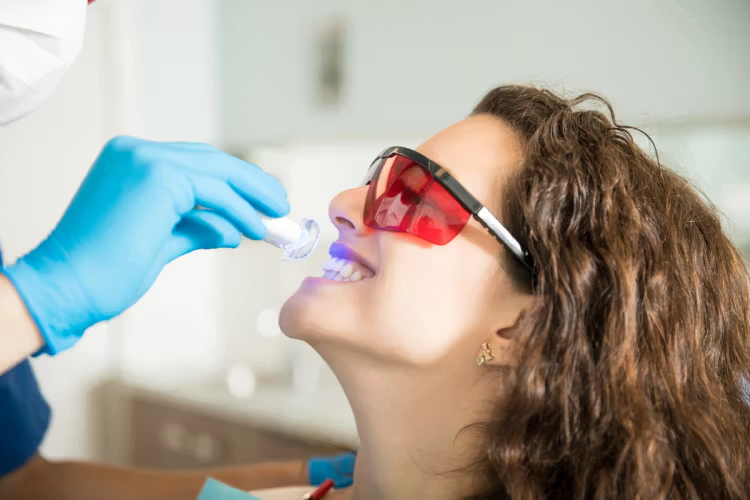
The exact procedure depends on the whitening system, but treatment generally begins by recording the current tooth shade and protecting the surrounding soft tissues.
The whitening material is applied to the visible tooth surfaces according to the treatment protocol. The product remains in contact with the teeth for a controlled period before being removed or refreshed.
The dental team monitors the process and patient comfort. Additional applications may be completed depending on the starting shade and desired result.
After treatment, the new tooth shade can be compared with the original color.
How White Can Teeth Become?
The amount of improvement varies from patient to patient. Natural tooth color, the type of discoloration, age, enamel thickness, and previous staining all influence the final result.
Some teeth brighten significantly, while others experience a more subtle change. Teeth with yellow or brown staining often respond differently from teeth with gray or developmental discoloration.
The goal should be a brighter smile that still looks natural rather than an unrealistic shade that may not be achievable for every patient.
Does Teeth Whitening Hurt?
Most patients tolerate whitening well, but temporary sensitivity can occur. Teeth may feel more reactive to cold air, beverages, or foods during or shortly after treatment.
Sensitivity develops because whitening agents temporarily affect the way fluids move through microscopic channels within the tooth.
The sensation usually improves after treatment is complete. Patients who have sensitive teeth should discuss this before whitening begins.
The dentist may recommend desensitizing toothpaste, adjustments to the whitening schedule, or other strategies to improve comfort.
Why Whitening Can Irritate the Gums
Whitening material is intended for the teeth rather than the gums. Contact with soft tissue can temporarily cause irritation or a white appearance in the affected area.
Professional treatment allows the dental team to protect the gums and control where the whitening material is placed.
Patients using take-home whitening products should carefully follow instructions regarding the amount of gel used. More whitening material does not necessarily produce better results and may increase gum irritation.
Professional Whitening Compared With Whitening Toothpaste
Whitening toothpaste primarily removes surface stains using polishing ingredients. It may help reduce discoloration caused by coffee, tea, and food deposits, but it generally does not produce the same type of internal color change as professional bleaching.
Some whitening toothpastes are more abrasive than standard toothpaste. Excessively aggressive brushing with abrasive products may contribute to enamel wear or sensitivity.
Patients should choose products appropriate for their teeth and gums rather than assuming stronger abrasion will create a whiter smile.
Professional Whitening Compared With Whitening Strips
Over-the-counter whitening strips contain bleaching ingredients and can improve some types of discoloration. However, the strips are produced in standard shapes and concentrations rather than being customized for the individual mouth.
Patients with rotated teeth, crowding, irregular tooth shapes, or gum recession may experience uneven contact between the strips and enamel.
Professional treatment provides dental supervision and allows the patient’s oral health to be evaluated before whitening begins.
Professional Whitening Compared With Store-Bought Trays
Generic whitening trays are designed to fit many different mouths. Because every dental arch is different, these trays may fit loosely or allow whitening gel to spread onto the gums.
Professionally supervised whitening can provide better control over product placement and usage. This may be particularly important for patients with sensitivity or existing dental restorations.
Will Whitening Change the Color of Crowns or Veneers?
No. Teeth whitening changes the color of natural tooth structure but does not lighten porcelain crowns, veneers, bridges, or most tooth-colored restorative materials.
This is an important consideration for patients with visible dental work. If natural teeth become significantly brighter, an older crown or filling may appear darker by comparison.
The dentist can evaluate existing restorations before whitening and discuss whether any visible dental work may eventually need replacement to match the brighter shade.
Why Whitening Is Often Done Before Veneers or Bonding
Dental restorations are created in a specific shade and do not respond to future whitening in the same way natural enamel does.
Patients planning veneers, bonding, crowns, or other cosmetic treatment may choose to whiten their natural teeth first. After the whitening result stabilizes, the restorative material can be matched to the new shade.
This treatment order can create a more consistent final appearance and reduce the likelihood that natural teeth will become lighter than recently placed restorations.
Can a Single Dark Tooth Be Whitened?
A single dark tooth may require a different approach than general smile whitening. Discoloration after dental trauma or root canal treatment can originate inside the tooth.
The dentist should evaluate a tooth that suddenly changes color because discoloration can sometimes indicate previous nerve damage or another dental concern.
Depending on the cause, treatment may involve specialized whitening, bonding, a veneer, a crown, or another procedure.
How Long Do Teeth Whitening Results Last?
Whitening is not permanent because the teeth remain exposed to foods, drinks, and habits that can cause new staining.
The longevity of the result varies according to:
- Coffee and tea consumption
- Red wine consumption
- Tobacco use
- Diet
- Oral hygiene
- Professional cleaning frequency
- Natural enamel characteristics
- Use of recommended touch-up treatments
Patients who limit frequent exposure to highly pigmented substances may maintain their brighter shade longer.
What Should You Eat After Teeth Whitening?
Patients may be advised to be particularly careful with highly pigmented foods and beverages shortly after treatment.
Lower-staining choices may include:
- Water
- Milk
- Plain yogurt
- Chicken or turkey
- White fish
- Rice
- Pasta with light-colored sauces
- Potatoes
- Bananas
- Cauliflower
Patients do not necessarily need to follow a restrictive diet indefinitely. The goal is simply to reduce heavy staining exposure while the whitening result stabilizes.
Foods and Drinks That Commonly Stain Teeth
Patients who want their whitening results to last may choose to moderate frequent exposure to:
- Coffee
- Black tea
- Red wine
- Dark soda
- Sports drinks with strong coloring
- Dark berries
- Tomato sauce
- Soy sauce
- Balsamic vinegar
- Curry
This does not mean these foods must disappear from the diet. Rinsing with water after consuming them and maintaining regular oral hygiene can help reduce staining.
Should You Brush Immediately After Coffee or Wine?
Many acidic beverages temporarily soften the outer enamel surface. Brushing aggressively immediately after an acidic drink may contribute to enamel wear.
Rinsing with water can help clear pigments and acids from the mouth. Patients can then brush after allowing some time for the oral environment to normalize.
Consistent twice-daily brushing is more important than trying to brush immediately after every staining beverage.
Can Drinking Through a Straw Prevent Staining?
Using a straw for certain beverages may reduce the amount of direct contact with the front teeth, but it does not completely prevent staining.
The beverage still moves throughout the mouth, and repeated exposure can affect the teeth.
A straw can be one small strategy when appropriate, but it should be combined with water rinsing, good oral hygiene, and regular professional cleanings.
How Dental Cleanings Help Maintain a Bright Smile
Professional cleanings remove plaque, tartar, and many external stains that accumulate over time.
Even after whitening, surface discoloration can return because of coffee, tea, foods, and tobacco. Routine polishing may help the teeth maintain a cleaner and brighter appearance.
Dental examinations also allow the dentist to monitor for cavities, gum disease, enamel wear, and other conditions that can affect how the smile looks.
Can Teeth Be Whitened Too Often?
Whitening should be completed according to professional instructions. Repeatedly using whitening products without appropriate intervals can increase sensitivity and gum irritation.
Patients may also become focused on achieving a shade that is lighter than their enamel can realistically reach. Using additional product may increase discomfort without creating meaningful improvement.
The dentist can recommend an appropriate maintenance schedule based on the patient’s treatment history and staining habits.
How to Maintain Teeth Whitening Results
Simple daily habits can help protect a brighter smile:
- Brush twice daily with fluoride toothpaste.
- Floss or clean between the teeth every day.
- Attend regular dental cleanings.
- Rinse with water after coffee, tea, or wine.
- Avoid tobacco products.
- Limit frequent sipping of highly pigmented drinks.
- Use whitening maintenance products only as directed.
- Address cavities and gum inflammation promptly.
- Drink water regularly throughout the day.
- Use a soft-bristled toothbrush to protect enamel and gums.
Teeth Whitening Before a Wedding or Special Event
Whitening is popular before weddings, graduations, reunions, vacations, professional photographs, and other important occasions.
Schedule treatment before the day of the event rather than waiting until the last minute. This provides time for any temporary sensitivity to improve and allows the final shade to stabilize.
Patients planning additional cosmetic treatments should begin even earlier so the dentist can coordinate the sequence appropriately.
Teeth Whitening and Sensitive Teeth
Having sensitive teeth does not automatically mean whitening is impossible. However, the cause of the sensitivity should be evaluated first.
Sensitivity may result from:
- Gum recession
- Enamel wear
- Cavities
- Cracked teeth
- Grinding and clenching
- Recently completed dental treatment
- Acid erosion
Once the cause is identified, the dentist can determine whether whitening is appropriate and recommend strategies for improving comfort.
Can Whitening Damage Enamel?
Whitening products should be used according to professional or manufacturer instructions. Properly supervised treatment is designed to brighten the enamel without mechanically removing tooth structure.
Problems are more likely when patients overuse products, combine multiple whitening methods, leave products on longer than directed, or use highly abrasive substances in an attempt to scrub stains away.
Professional guidance can help patients avoid unnecessary irritation and unrealistic treatment routines.
Why DIY Whitening Remedies Can Be Risky
Social media frequently promotes household ingredients as alternatives to professional whitening. Some methods involve acidic substances, abrasive powders, or chemicals that were not designed for repeated use on teeth.
Acids can soften enamel, while abrasive materials may physically wear away the tooth surface. Enamel does not grow back once it has been removed.
A temporary brighter appearance is not worth creating permanent sensitivity or enamel damage. Patients interested in whitening should choose products and treatments designed specifically for dental use.
Whitening Versus Dental Veneers
Whitening improves the color of natural enamel but does not change tooth shape, size, spacing, or alignment.
Dental veneers cover the front surfaces of teeth and can simultaneously address color, small gaps, chips, irregular shapes, and some minor alignment concerns.
When discoloration is the primary concern, whitening is generally the more conservative treatment because it does not require reshaping the tooth.
Veneers may be considered when whitening cannot provide the desired color improvement or when several cosmetic concerns need to be addressed together.
Whitening Versus Dental Bonding
Dental bonding uses tooth-colored composite material to repair or reshape teeth. It can conceal isolated discoloration, chips, and small imperfections.
Like veneers and crowns, bonding material does not whiten in the same way as natural enamel. Patients considering both whitening and bonding may benefit from whitening first so the new composite can be matched to the brighter shade.
Frequently Asked Questions About Professional Teeth Whitening
How quickly can professional teeth whitening work?
Professional treatment can produce noticeable improvement in a relatively short period, although the exact result depends on the starting shade and type of discoloration.
Will professional teeth whitening make my teeth perfectly white?
No specific shade can be guaranteed for every patient. Natural enamel color and the type of staining influence how much the teeth can brighten.
Does teeth whitening remove coffee stains?
Many stains caused by coffee respond well to whitening, particularly when the discoloration affects natural enamel. Surface deposits may also be reduced during professional cleaning.
Can teeth whitening remove tobacco stains?
Some tobacco-related discoloration can improve with professional cleaning and whitening. Long-term or deeper staining may require additional cosmetic treatment.
Can crowns and veneers be whitened?
No. Whitening agents do not change the shade of porcelain crowns, veneers, bridges, or most tooth-colored restorative materials.
How long does tooth sensitivity last after whitening?
Temporary sensitivity may occur during or after treatment and generally improves after whitening is complete. Patients with persistent or severe sensitivity should contact the dental office.
Can someone with sensitive teeth have professional whitening?
Many patients with sensitive teeth may still be candidates, but the cause of the sensitivity should be evaluated first and the treatment plan may need to be modified.
Should teeth be cleaned before whitening?
A professional cleaning may be recommended when plaque, tartar, or surface stains are present. Clean tooth surfaces can help create a more consistent cosmetic result.
Will whitening remove white spots on teeth?
Whitening may not eliminate white spots and can sometimes temporarily make differences in color more noticeable. The dentist can evaluate the cause and discuss appropriate cosmetic options.
How can patients keep their teeth white after treatment?
Good oral hygiene, regular professional cleanings, limiting tobacco, rinsing after staining beverages, and following recommended touch-up instructions can help maintain the result.
Brighten Your Smile With Professional Teeth Whitening in Algonquin
Tooth discoloration is a normal part of life, but patients do not have to rely on trial-and-error whitening products when they want a brighter smile. Professional teeth whitening offers a conservative cosmetic option for reducing many common stains while allowing treatment to be planned around the health and sensitivity of the teeth.
Patients interested in brightening their smiles can contact Dental Symphony in Algonquin, IL. Call (847) 474-9533 to schedule a cosmetic dental evaluation and learn whether professional teeth whitening is appropriate for your smile goals.