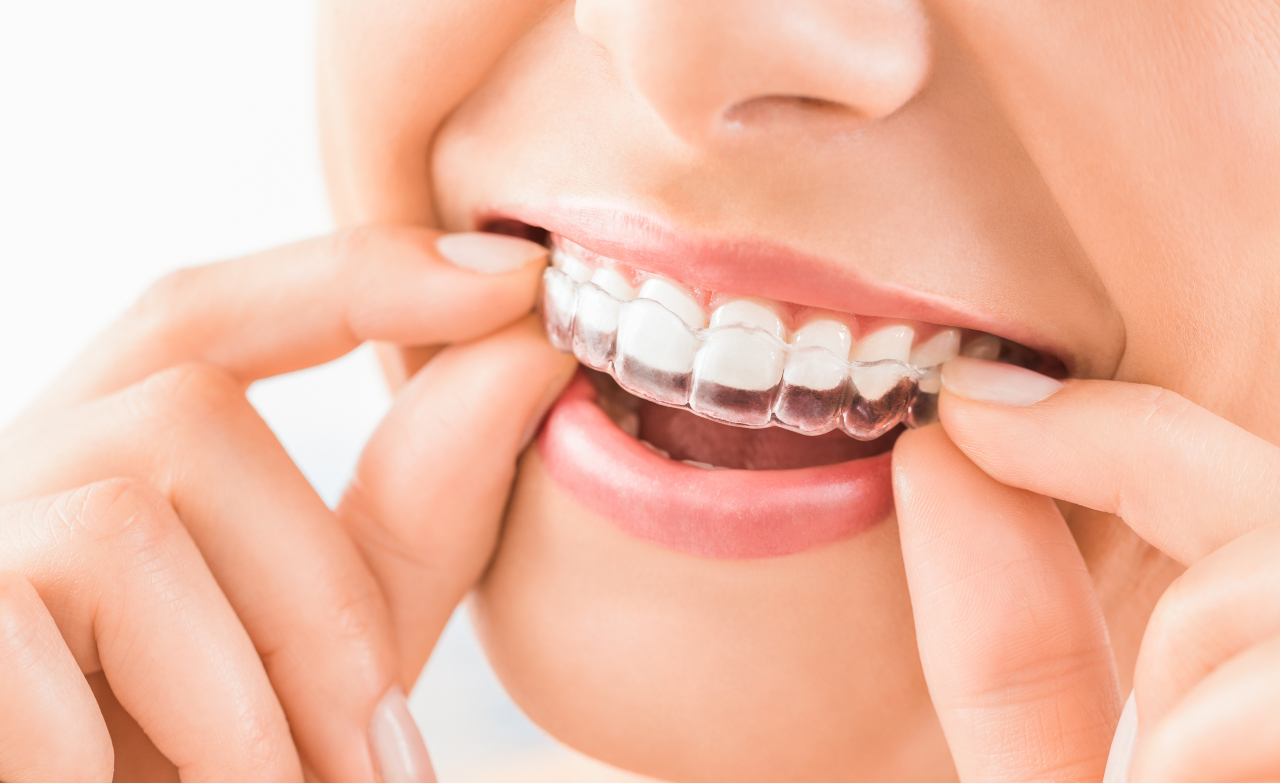
Straightening your teeth no longer automatically means wearing noticeable metal brackets and wires. Patients who want a more discreet and flexible orthodontic experience may be candidates for SureSmile® clear aligners in Algonquin, IL. These removable trays are custom-made to guide the teeth toward healthier and more attractive positions while fitting into a wide variety of personal and professional lifestyles.
Dental Symphony provides personalized clear aligner planning for teens and adults with concerns such as crowding, spacing, minor tooth rotation, orthodontic relapse, and certain bite problems. Every treatment plan is based on the patient’s current alignment, oral health, bite, smile goals, and ability to wear the aligners consistently.
Understanding how clear aligners work, what happens during treatment, and how to care for the trays can help patients approach the process with realistic expectations. Although the aligners are removable and nearly transparent, successful treatment still requires commitment, daily responsibility, and regular professional monitoring.
What Are SureSmile® Clear Aligners?
SureSmile® clear aligners are custom-fabricated orthodontic trays designed to move teeth gradually. Each aligner fits closely over the teeth and applies controlled pressure to specific areas of the smile.
Patients wear a sequence of aligners rather than one set throughout treatment. Each new set represents another stage in the planned movement of the teeth.
The aligners are made from clear material, which makes them less noticeable than traditional metal braces. They can also be removed for meals, brushing, flossing, and certain special occasions.
Although the trays are removable, they must be worn consistently. Leaving the aligners out for extended periods can slow progress and interfere with the planned tooth movements.
How Do Clear Aligners Move Teeth?
Teeth are held within the jaw by bone and supportive tissues. When gentle, controlled pressure is applied, the bone and surrounding tissues gradually adapt, allowing the teeth to move.
Each aligner is shaped slightly differently from the current position of the teeth. When the tray is placed, it applies pressure that encourages selected teeth to move toward the next planned position.
After the teeth have progressed through one stage, the patient changes to the next set of aligners. This process continues until the planned movements have been completed.
The sequence is designed carefully so the teeth move in a controlled order. Some teeth may begin moving earlier than others, and different types of movement may occur at different stages.
What Dental Concerns Can Clear Aligners Address?
Clear aligners can treat many mild to moderate orthodontic concerns. A consultation is necessary because the suitability of treatment depends on more than the visible appearance of the front teeth.
SureSmile® clear aligners may be considered for:
- Mild to moderate crowding
- Spaces or gaps between teeth
- Teeth that have rotated
- Minor alignment irregularities
- Orthodontic relapse after previous braces
- Certain overbite concerns
- Certain underbite concerns
- Some crossbite concerns
- Uneven tooth positioning
- Teeth that are difficult to clean because of crowding
More complex orthodontic conditions may require traditional braces, additional procedures, or treatment from an orthodontic specialist. The dentist evaluates the teeth, roots, jaw relationships, and bite before determining whether clear aligners are appropriate.
Who May Be a Candidate for SureSmile® Clear Aligners?
Clear aligners may be an effective option for responsible teens and adults who want to improve their smiles without wearing visible brackets and wires.
A good candidate generally has healthy teeth and gums, realistic expectations, and the ability to wear the trays as directed. Patients must also be willing to clean their teeth before replacing the aligners after meals.
Clear aligners may be especially appealing to patients who:
- Want discreet orthodontic treatment
- Prefer a removable appliance
- Speak with clients or customers regularly
- Attend school, work, or social events
- Want fewer food restrictions than traditional braces
- Previously wore braces but experienced shifting
- Can follow a consistent daily wearing schedule
- Want to brush and floss without fixed brackets
- Are interested in previewing planned smile changes
Clear aligners are not automatically the best treatment for every patient. The consultation allows the dentist to determine whether the system can produce a safe and predictable result.
The Clear Aligner Consultation
Treatment begins with a detailed evaluation of the teeth, gums, jaw, and bite. The dentist also reviews the patient’s dental history, medical history, previous orthodontic treatment, and current concerns.
The consultation may include:
- A visual examination of the teeth and gums
- Evaluation of crowding and spacing
- Assessment of the upper and lower bite
- Dental X-rays when needed
- Digital scans or impressions
- Photographs of the teeth and smile
- Review of existing fillings, crowns, and other restorations
- Discussion of the patient’s goals
- Estimation of the treatment timeline
- Explanation of retainers and long-term maintenance
The dentist also looks for cavities, gum inflammation, damaged restorations, and other concerns that should be treated before orthodontic movement begins.
Why Oral Health Matters Before Treatment
Orthodontic treatment moves teeth within the bone and supporting tissues. Healthy gums and adequate bone support are important for safe treatment.
Active gum disease may cause swelling, bleeding, recession, or bone loss around the teeth. Moving teeth while gum disease is uncontrolled can increase the risk of complications.
Cavities and damaged fillings should also be treated before aligners are created. Restorative treatment can change the shape of a tooth, which may affect how the trays fit.
A professional cleaning may be recommended before treatment begins. Patients should continue attending preventive appointments during the aligner process.
Digital Treatment Planning
Digital scans can create a detailed three-dimensional model of the teeth. These records allow the treatment plan to be developed without relying only on the visible alignment of the smile.
The dentist can evaluate how individual teeth need to move and how those movements may affect the bite. The planned sequence is then used to create the series of aligners.
Patients may be able to see a digital representation of the projected tooth movement before treatment begins. This preview can help them understand the goals of treatment, although the final result depends on biological response and consistent aligner wear.
Receiving the First Sets of Aligners
When the aligners are ready, the dentist checks the fit and explains how to insert, remove, clean, and store them.
The trays should fit closely around the teeth. A new aligner may initially feel tight because it is applying pressure for the next stage of movement.
Patients receive instructions regarding how long to wear each set before changing to the next one. The schedule should not be changed without professional guidance.
The dentist may provide several sets at one time and schedule a monitoring appointment after the patient has progressed through part of the sequence.
How Long Should Clear Aligners Be Worn Each Day?
Clear aligners generally need to be worn for approximately 20 to 22 hours each day. They should remain in place during most daily activities and while sleeping.
The aligners are usually removed for:
- Meals
- Snacks
- Drinks other than plain water
- Brushing
- Flossing
- Cleaning the trays
Removing the trays too frequently can prevent the teeth from reaching the intended position before the next set is started.
Patients should develop a routine that minimizes the amount of time the aligners remain outside the mouth. A phone timer or tracking application may help patients monitor daily wear.
What Are Clear Aligner Attachments?
Some tooth movements require additional grip. Small tooth-colored shapes called attachments may be bonded to selected teeth.
Attachments give the aligners a surface to push against, allowing more precise control of rotation, tipping, or other movements. Their size, shape, and location depend on the treatment plan.
The attachments are designed to blend with the teeth, but they may be visible at close range. They remain in place during treatment and are removed after the necessary movements are complete.
Patients should clean carefully around attachments because plaque and food can collect near their edges.
What Are Aligner Chewies?
Aligner chewies are small, soft tools that may be used to help seat the trays more completely over the teeth.
Patients gently bite on the chewie in different areas of the mouth. This can help reduce small gaps between the aligner and tooth surfaces.
Chewies should be used only according to the dentist’s instructions. They do not replace consistent aligner wear or professional adjustments.
What Does a New Aligner Feel Like?
A new set of aligners may feel tight during the first day or two. Patients may notice pressure around specific teeth, which indicates that the tray is beginning the next stage of movement.
Mild tenderness is common and usually improves as the teeth adjust. The sensation should be manageable and should not feel like severe or sharp pain.
Changing to a new set before bedtime may allow patients to sleep through part of the initial adjustment period. Soft foods may also feel more comfortable during the first day of a new tray.
Contact the dental office if pain is severe, the aligner has a sharp edge, the tray does not fit, or a tooth feels unusually loose.
Benefits of SureSmile® Clear Aligners
- Discreet appearance: The transparent material makes the trays less noticeable than metal brackets and wires.
- Removable design: Patients can take the aligners out for eating, brushing, and flossing.
- Fewer food restrictions: Meals can be enjoyed without worrying about food becoming trapped around fixed brackets.
- Easier oral hygiene: Patients can brush and floss normally after removing the trays.
- Customized treatment: Each aligner is created for a specific stage of the patient’s tooth movement.
- Smooth material: Clear trays do not contain metal wires that can irritate the cheeks or lips.
- Digital planning: The planned tooth movements can be mapped before treatment begins.
- Convenient for work and school: The discreet appearance may help patients feel more confident in professional and social settings.
- Useful after orthodontic relapse: Clear aligners may correct teeth that shifted after previous braces.
- Improved alignment: Straighter teeth can create a more balanced smile and may be easier to clean.
Eating With Clear Aligners
The aligners should be removed before meals and snacks. Chewing with the trays in place can crack, warp, stain, or damage them.
Unlike fixed braces, clear aligner treatment does not require a long list of prohibited foods. Patients can generally continue eating their preferred foods after removing the trays.
Before replacing the aligners, brush the teeth when possible. Food trapped beneath a tray can remain pressed against the enamel and contribute to plaque buildup, staining, odor, and cavities.
If brushing is temporarily unavailable, rinse the mouth thoroughly with water and clean the teeth as soon as possible.
Drinking With Clear Aligners
Plain water is generally the safest beverage to consume while wearing aligners. Other drinks should be enjoyed after removing the trays.
Coffee, tea, wine, soda, juice, and sports drinks can stain the aligner material. Sugary and acidic drinks can also become trapped beneath the trays and remain in contact with the teeth.
Hot beverages may distort the aligners. Even if the drink is unsweetened, heat can affect the fit of the material.
After drinking a staining or sugary beverage, rinse the mouth and clean the teeth before replacing the trays.
How to Clean Clear Aligners
Aligners should be cleaned regularly to remove plaque, saliva, and food residue. Dirty trays can develop discoloration, odor, and visible buildup.
Rinse the aligners with cool or lukewarm water whenever they are removed. Brush them gently with a soft toothbrush reserved for the trays.
Use cleaning products recommended by the dental team. Regular toothpaste can be abrasive and may create small scratches that make the aligners appear cloudy.
Do not place the trays in boiling or very hot water. Heat can warp the material and prevent the aligners from fitting correctly.
How to Store Clear Aligners
Place the aligners in their protective case whenever they are not being worn. Wrapping them in a napkin or leaving them on a table makes them easy to lose or throw away accidentally.
Keep the case away from pets. Dogs and other animals may be attracted to the scent of saliva and can quickly destroy an aligner.
Do not leave the trays inside a hot vehicle or near a heating source. Excessive heat can alter their shape.
Patients may be advised to keep the previous set of aligners as a backup. If the current set is lost or damaged, the dental office can provide instructions about which set to wear.
What to Do If an Aligner Is Lost
Contact the dental office rather than automatically moving to the next set. The correct response depends on how long the missing tray was worn and how closely the teeth have reached the planned position.
The dentist may recommend wearing the previous set, advancing to the next set, or ordering a replacement.
Do not leave the teeth without an aligner for several days. Teeth can begin shifting, potentially affecting the fit of later trays.
What to Do If an Aligner Cracks
A small crack does not always make the tray unusable, but it should be reported. A large fracture can reduce the pressure needed to move the teeth correctly.
Do not repair the aligner with glue or household materials. These substances may be unsafe and can alter the tray’s fit.
Keep the damaged aligner and contact the dental office for guidance. The recommended next step depends on the location and severity of the damage.
Will Clear Aligners Affect Speech?
Some patients notice a mild lisp when they begin wearing aligners. The tongue needs time to adapt to the thin layer of material covering the teeth.
Speech changes are usually temporary. Reading aloud, speaking slowly, and practicing difficult words can help the tongue adjust.
Removing the aligners whenever speaking feels important can interfere with the required wearing time. Most patients adapt more quickly when they continue speaking normally with the trays in place.
Can Clear Aligners Cause Bad Breath?
The aligners themselves do not automatically cause bad breath. Odor usually develops when plaque, food, or bacteria remain on the teeth or trays.
Brushing after meals, flossing daily, cleaning the aligners, and staying hydrated can help maintain fresher breath.
Dry mouth can also contribute to odor. Patients should drink water regularly and discuss persistent dryness with the dental team.
Oral Hygiene During Clear Aligner Treatment
Clear aligners make brushing and flossing more convenient than fixed braces because the trays can be removed. However, patients may need to clean their teeth more frequently.
A typical routine includes:
- Brushing after waking
- Removing the trays before meals
- Brushing or rinsing before reinserting them
- Flossing at least once daily
- Cleaning the trays each day
- Attending professional dental cleanings
Patients should inspect the teeth and gums for white spots, swelling, bleeding, or persistent sensitivity. Early concerns should be reported before they become more extensive.
Can You Get Cavities While Wearing Aligners?
Yes. Clear aligners do not prevent cavities. Sugars, acids, and plaque can become trapped between the trays and tooth surfaces.
Frequent snacking may increase risk because the aligners must be removed and the teeth cleaned repeatedly. Patients who replace the trays without cleaning may keep food residue against the enamel for hours.
Consistent hygiene and routine examinations are important throughout treatment. Cavities may need to be repaired before aligner therapy can continue.
Dental Checkups During SureSmile® Treatment
Clear aligner appointments allow the dentist to confirm that the trays fit and the teeth are moving according to plan.
The dentist may evaluate:
- Aligner fit
- Daily wear consistency
- Attachment condition
- Tooth movement
- Bite changes
- Gum health
- Oral hygiene
- Progress toward treatment goals
Patients should bring their current aligners and any requested previous sets to monitoring appointments.
Skipping visits can delay the identification of tracking problems. A tray may appear to fit even when a particular tooth is not moving as expected.
What Does It Mean When an Aligner Is Not Tracking?
Tracking describes how closely the teeth are following the planned movement and fitting into the aligner.
A visible gap between the tray and a tooth may indicate that the tooth has not reached the intended position. Possible reasons include insufficient wear, damaged attachments, difficult tooth movement, or advancing to the next tray too early.
The dentist may recommend additional wear time, increased use of chewies, replacement of an attachment, or an adjustment to the treatment plan.
Patients should not continue changing trays without guidance when several aligners no longer fit properly.
What Are Refinement Aligners?
Teeth do not always respond exactly as predicted. After the initial series, the dentist may take new scans and order additional aligners to improve the result.
These additional trays are often called refinements. They may address small rotations, spaces, bite contacts, or other details that remain after the first sequence.
Needing refinements does not automatically indicate that treatment failed. Biological tooth movement varies among patients, and refinements can help complete the planned result.
How Long Does Clear Aligner Treatment Take?
The timeline depends on the number and complexity of movements required. Minor relapse may take less time than significant crowding or bite correction.
Factors influencing treatment time include:
- The starting positions of the teeth
- The type of movement required
- The patient’s age and biological response
- Daily aligner wear
- Whether attachments are needed
- The presence of missing or restored teeth
- Whether refinement aligners are required
- Attendance at monitoring appointments
The dentist provides an estimated timeline after reviewing the digital treatment plan. The estimate may change if the trays are not worn consistently or if the teeth respond differently than expected.
Clear Aligners Compared With Traditional Braces
Clear aligners and traditional braces can both improve alignment, but they use different treatment methods.
Traditional braces include brackets bonded to the teeth and wires that apply pressure. They remain in place throughout treatment and can address many complex orthodontic conditions.
Clear aligners are removable and less noticeable. They can make eating and oral hygiene more convenient, but they depend heavily on patient cooperation.
The advantages of clear aligners may include:
- More discreet appearance
- Removability for meals
- Normal brushing and flossing
- No metal brackets or wires
- Fewer food restrictions
The advantages of braces may include continuous wear and the ability to manage certain complicated movements. The right option depends on the patient’s orthodontic needs and lifestyle.
Clear Aligners After Previous Braces
Teeth can shift after braces when retainers are not worn consistently or no longer fit properly. This movement is known as orthodontic relapse.
Clear aligners may be an effective option for correcting mild to moderate relapse. The trays can reposition teeth without requiring another full course of metal braces in suitable cases.
The dentist evaluates the current alignment and condition of the previous retainers. After the correction is complete, new retainers are needed to maintain the result.
Clear Aligners and Existing Dental Restorations
Patients with fillings, crowns, veneers, bridges, or implants may still qualify for clear aligners. The treatment plan must account for the location and condition of each restoration.
Dental implants cannot move like natural teeth because they are integrated with the jawbone. They may be used as stable reference points while surrounding natural teeth are moved.
Crowns and veneers may require special planning when attachments are needed. Any weak, loose, or damaged restoration should be treated before orthodontic movement begins.
Can Teens Wear Clear Aligners?
Responsible teens may be candidates when their teeth and jaw development are appropriate. The most important consideration is whether the teenager will wear the trays consistently.
Aligners must be removed for meals, cleaned, stored safely, and returned to the mouth promptly. Teens who frequently lose items or forget responsibilities may need additional support from parents.
Clear aligners can be appealing for school, photographs, sports, performances, and social activities because they are discreet and removable.
Playing Sports With Clear Aligners
Patients may be able to wear aligners during many non-contact activities. A protective athletic mouthguard is still important during contact sports or activities with a risk of facial injury.
A standard sports mouthguard may not fit properly over aligners or attachments. The dental team can recommend the safest approach based on the sport and treatment stage.
Do not use clear aligners as a substitute for an athletic mouthguard. The trays are designed for tooth movement, not impact protection.
Playing Musical Instruments With Aligners
Musicians who play wind or brass instruments may need time to adjust to the trays. The smooth material can change how the lips and tongue contact the teeth.
Consistent practice usually helps the patient adapt. Removing the aligners for every rehearsal can reduce the daily wearing time and slow treatment.
Discuss specific performance concerns with the dentist before treatment begins.
Why Retainers Are Necessary After Treatment
Completing the final aligner does not mean the teeth will remain permanently in place without support. Teeth naturally tend to shift, especially during the months immediately after orthodontic movement.
A retainer helps hold the teeth in their corrected positions while the surrounding bone and tissues stabilize.
The dentist provides instructions regarding how often and how long the retainer should be worn. Some patients begin with full-time wear and later transition to nighttime use.
Long-term retainer wear is often necessary because tooth movement can occur throughout adulthood.
How to Care for a Retainer
Retainers should be cleaned and stored with the same care as clear aligners. Rinse the appliance, clean it using recommended products, and keep it inside its case when it is not being worn.
Avoid hot water, direct sunlight, and heated vehicles. These conditions can warp the material.
Contact the dental office if the retainer feels tight, becomes loose, cracks, or no longer fits. A tight retainer may indicate that the teeth have begun shifting.
How to Stay Consistent With Clear Aligner Wear
Consistency is one of the most important parts of successful treatment. Helpful habits include:
- Keeping the aligner case nearby
- Setting reminders after meals
- Using a wear-time tracking application
- Cleaning the teeth immediately after eating
- Changing aligners on the same day and time
- Keeping a travel toothbrush and floss available
- Following the prescribed sequence
- Attending every monitoring appointment
Clear aligners provide flexibility, but that flexibility should not be confused with optional wear. The trays only work while they are in contact with the teeth.
Frequently Asked Questions About Clear Aligners
Are SureSmile® clear aligners noticeable?
The transparent trays are designed to be discreet. They may be visible at close range, particularly when attachments are present, but they are generally less noticeable than metal braces.
Does clear aligner treatment hurt?
Mild pressure and tenderness are common when starting a new tray. This usually improves within a few days. Severe or persistent pain should be reported to the dental office.
Can I eat while wearing clear aligners?
No. The trays should be removed before meals and snacks to prevent cracking, staining, and food becoming trapped against the teeth.
Can I drink coffee with clear aligners?
It is best to remove the trays before drinking coffee. Coffee can stain the aligners, and heat may affect the material.
How often do clear aligners need to be worn?
Patients generally wear the trays for approximately 20 to 22 hours per day, removing them only for eating, drinking beverages other than water, and oral hygiene.
What happens if I forget to wear my aligners?
Leaving the trays out for extended periods can delay treatment and cause future sets to fit poorly. Contact the dental office if an aligner no longer fits after missed wear.
Can clear aligners fix an overbite?
Clear aligners can improve certain overbite concerns. The severity and cause of the bite problem determine whether aligners are appropriate.
Can clear aligners close gaps?
Yes. Clear aligners can close many mild to moderate spaces by gradually moving the teeth together.
Can clear aligners treat crowded teeth?
Clear aligners can improve many cases of mild to moderate crowding. More severe crowding may require additional procedures or a different orthodontic approach.
Will I need attachments?
Attachments are used when specific movements require additional control. The number and location depend on the personalized treatment plan.
What happens if an attachment falls off?
Contact the dental office. The dentist will determine whether it needs to be replaced immediately or can wait until the next appointment.
Will I need a retainer after SureSmile® treatment?
Yes. Retainers are necessary to help maintain the corrected tooth positions and reduce the risk of orthodontic relapse.
Begin Your SureSmile® Clear Aligner Journey in Algonquin
SureSmile® clear aligners offer a discreet and removable way to address crowding, spacing, orthodontic relapse, and selected bite concerns. The system can fit comfortably into work, school, social events, and everyday routines, but successful results depend on consistent wear and professional supervision.
Patients interested in improving their smiles without traditional metal braces can contact Dental Symphony in Algonquin, IL. Call (847) 474-9533 to schedule a clear aligner consultation and learn whether SureSmile® treatment may be appropriate for your smile goals.
“`