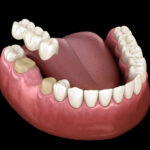

Persistent tooth pain can make it difficult to eat, sleep, work, or focus on normal daily activities. When decay, a fracture, or an injury reaches the soft tissue inside a tooth, the discomfort may continue until the source of the inflammation or infection is treated. Dental Symphony provides root canal therapy in Algonquin, IL to remove damaged tissue, relieve symptoms, and help patients preserve their natural teeth.
Root canal treatment has an outdated reputation for being uncomfortable, but the procedure is actually intended to stop the pain caused by an infected or severely inflamed tooth. Modern anesthetic techniques help keep the treatment area comfortable while the dentist cleans and seals the internal tooth structure.
Understanding why root canals are needed, what happens during the procedure, and how to care for the tooth afterward can help patients approach treatment with greater confidence.
What Is Root Canal Therapy?
Root canal therapy is a restorative dental procedure that treats infection or inflammation inside a tooth. The dentist removes damaged pulp tissue, cleans and disinfects the internal canals, fills the empty spaces, and seals the tooth to reduce the risk of additional contamination.
The procedure allows the natural tooth root to remain in the jaw. After the tooth has been restored with a filling or dental crown, it can continue contributing to chewing, bite stability, and the appearance of the smile.
Root canal therapy is sometimes called endodontic treatment. The word endodontic refers to treatment involving the tissues inside a tooth.
Understanding the Inside of a Tooth
The visible outer layer of a tooth is enamel. Beneath the enamel is dentin, a firm material that makes up most of the tooth’s structure.
At the center of the tooth is a chamber containing dental pulp. The pulp includes nerves, blood vessels, and connective tissue. It plays an important role while the tooth is developing.
Once a permanent tooth has fully developed, it can continue functioning without living pulp because the surrounding tissues provide support and nourishment.
Small channels extend from the pulp chamber through the roots. These channels are known as root canals. When bacteria enter the inner tooth, infection can spread through these canals and into the tissues surrounding the root.
Why a Tooth May Need Root Canal Treatment
The dental pulp can become damaged when bacteria or physical trauma affect the inner tooth. Common causes include:
- Deep untreated tooth decay
- A cracked or fractured tooth
- A leaking or damaged filling
- Repeated dental procedures on the same tooth
- A severe injury to the mouth
- Wear caused by long-term grinding or clenching
- Decay developing beneath a dental crown
- An infection near the root of the tooth
Once the pulp becomes severely inflamed or infected, it may not be able to recover. Root canal therapy removes the damaged tissue while preserving the outer tooth structure.
Common Signs That a Root Canal May Be Needed
Symptoms vary according to the condition of the tooth and the stage of the infection. Some patients experience severe pain, while others notice only mild changes.
Possible warning signs include:
- Persistent or throbbing tooth pain
- Pain when chewing or biting
- Prolonged sensitivity to hot or cold temperatures
- Swelling near the affected tooth
- A pimple-like bump on the gum
- Darkening or discoloration of the tooth
- Tenderness when the tooth is touched
- Pressure that seems to come from deep within the jaw
- A cracked tooth with increasing sensitivity
- A bad taste caused by drainage near the tooth
Symptoms may temporarily decrease if the nerve inside the tooth stops functioning. This does not necessarily mean the infection has healed. Bacteria can remain within the root canals and continue affecting the surrounding bone.
Can a Tooth Need a Root Canal Without Hurting?
Yes. Some teeth requiring root canal treatment do not cause noticeable pain. Infection may be discovered during a routine examination or on dental X-rays.
A tooth that has experienced trauma may also develop internal damage months or years after the original injury. The tooth may gradually darken or develop changes around the root without producing immediate discomfort.
Regular dental examinations are important because they allow the dentist to identify problems that may not yet be causing symptoms.
How a Dentist Determines Whether a Root Canal Is Needed
The diagnosis begins with a discussion of the patient’s symptoms and dental history. The dentist may ask when the discomfort began, what triggers it, and how long the sensation lasts.
The examination may include:
- Visual inspection of the tooth and surrounding gums
- Testing the tooth’s response to temperature
- Applying gentle pressure or tapping the tooth
- Evaluating the patient’s bite
- Checking for swelling or drainage
- Reviewing existing fillings, crowns, and cracks
- Taking dental X-rays
Dental images help the dentist examine the roots, bone, decay, and areas that cannot be seen directly. The findings are used to determine whether the pulp is healthy, inflamed, infected, or no longer responsive.
What Happens During Root Canal Therapy?
The exact procedure can vary according to the tooth and the complexity of the root canals, but treatment generally follows several stages.
Numbing the Treatment Area
Local anesthesia is used to numb the tooth and surrounding tissues. The dentist confirms that the area is comfortable before beginning treatment.
A severely inflamed tooth can sometimes require additional anesthetic or more time to become fully numb. Patients should communicate if they feel discomfort during the procedure.
Isolating the Tooth
A protective dental dam is placed around the tooth. This thin barrier keeps the treatment area dry and helps prevent saliva and bacteria from entering the tooth during the procedure.
Creating an Access Opening
The dentist creates a small opening in the tooth to reach the pulp chamber and root canals. The location of the opening depends on whether the tooth is a front tooth, premolar, or molar.
Removing the Damaged Pulp
Specialized instruments are used to remove infected or inflamed tissue from the pulp chamber and root canals. This step eliminates the source of many severe toothaches.
Cleaning and Shaping the Canals
The internal canals are carefully cleaned, shaped, and disinfected. Each canal must be prepared so it can be filled and sealed effectively.
Some teeth have relatively simple internal anatomy, while others contain narrow, curved, or additional canals. Molars often have more canals than front teeth.
Filling the Root Canals
After the canals have been cleaned, they are filled with a biocompatible material. This material seals the internal spaces and helps reduce the opportunity for bacteria to return.
Closing the Tooth
A temporary or permanent filling is placed over the access opening. In many cases, a separate appointment is scheduled to place a dental crown or another final restoration.
Does Root Canal Therapy Hurt?
Root canal treatment is performed with local anesthesia, so patients should not feel sharp pain during the procedure. They may notice pressure, vibration, or movement as the dentist works.
The discomfort associated with an infected tooth is often more intense than the treatment itself. Root canal therapy removes the damaged tissue that is causing the pain.
Mild soreness may occur after the procedure because the tissues around the root can remain inflamed. This tenderness usually improves as the area heals.
Benefits of Root Canal Therapy
- Relief from infection-related pain: Removing inflamed or infected pulp addresses the source of many severe toothaches.
- Preservation of the natural tooth: The procedure allows the tooth root and surrounding structure to remain in place.
- Improved chewing function: Once restored, the tooth can continue contributing to normal biting and chewing.
- Maintenance of tooth alignment: Saving the tooth helps prevent neighboring teeth from drifting into an empty space.
- Reduced need for tooth replacement: Preserving the tooth may eliminate the immediate need for an implant, bridge, or removable appliance.
- Protection of the surrounding tissues: Removing infection helps reduce the risk of damage to the bone and gums near the root.
- Natural-looking restoration: A filling or crown can rebuild the visible tooth so it blends with the smile.
- Support for bite stability: Keeping the tooth in place helps maintain balanced contact between the upper and lower teeth.
How Long Does Root Canal Treatment Take?
The length of the appointment depends on the tooth, number of canals, severity of infection, and complexity of the internal anatomy.
A front tooth may have fewer canals and require less time than a molar. Some teeth can be treated during one appointment, while others may need multiple visits.
When infection is extensive, medication may be placed inside the tooth before it is permanently sealed. A temporary filling protects the tooth between appointments.
What to Expect After Root Canal Treatment
The numbness may continue for several hours after the appointment. Patients should avoid chewing until normal sensation has returned to reduce the risk of biting the tongue, lip, or cheek.
The treated tooth may feel tender when biting. Mild soreness around the gum or jaw can also occur after keeping the mouth open during treatment.
Symptoms should gradually improve. Follow the dentist’s instructions regarding medication, diet, oral hygiene, and activity.
Contact the dental office if pain becomes severe, swelling develops, the temporary filling falls out, or the original symptoms return.
What Can You Eat After a Root Canal?
Wait until the anesthesia has worn off before eating. Begin with softer foods if the area feels tender.
Suitable options may include:
- Eggs
- Yogurt
- Oatmeal
- Soup that is not excessively hot
- Mashed potatoes
- Soft pasta
- Cooked vegetables
- Soft fish
- Smoothies eaten with a spoon
Avoid chewing hard, crunchy, or sticky foods on the treated tooth, especially when a temporary restoration is present. The tooth may be more vulnerable until the final crown or filling has been completed.
Why a Dental Crown May Be Needed After a Root Canal
Root canal therapy treats the inside of the tooth, but it does not automatically restore all of the lost enamel. Teeth needing root canal treatment often have large cavities, fractures, or previous fillings that have already weakened the outer structure.
Back teeth absorb substantial chewing pressure. A dental crown may be recommended to surround the tooth and reduce the risk of fracture.
The crown restores the shape, height, appearance, and function of the treated tooth. It also helps distribute bite pressure more evenly.
Front teeth do not always require crowns after root canal therapy. The final recommendation depends on the location of the tooth and the amount of healthy structure remaining.
Why the Final Restoration Should Not Be Delayed
A temporary filling is designed to protect the tooth for a limited period. It is not intended to provide the same strength or seal as a permanent restoration.
Delaying the final crown or filling can allow the temporary material to wear down, loosen, or leak. The weakened tooth may also fracture under chewing pressure.
Completing the recommended restoration is an essential part of the root canal treatment process.
How to Care for a Root Canal-Treated Tooth
A root canal-treated tooth still requires daily brushing, flossing, and professional dental care. The tooth can no longer feel decay in the same way, but the outer enamel can still develop a cavity.
- Brush twice each day with fluoride toothpaste.
- Clean between the treated tooth and neighboring teeth daily.
- Avoid chewing on the tooth until the permanent restoration is complete.
- Do not chew ice, hard candy, pens, or nonfood objects.
- Wear a night guard if recommended for grinding or clenching.
- Attend routine dental examinations and cleanings.
- Report pain, swelling, looseness, or bite changes promptly.
Can a Root Canal-Treated Tooth Become Infected Again?
Root canal therapy is designed to clean and seal the tooth, but reinfection can occasionally occur.
Possible causes include:
- New decay allowing bacteria to enter the tooth
- A cracked or damaged restoration
- A fracture in the tooth or root
- A delayed permanent crown
- Complex canals that were difficult to detect or clean
- Leakage around an older filling or crown
Symptoms of reinfection may include pain, swelling, drainage, or tenderness when biting. Treatment may involve root canal retreatment, another endodontic procedure, or extraction when the tooth cannot be predictably restored.
Root Canal Therapy Compared With Tooth Extraction
Root canal treatment removes damaged tissue from inside the tooth while preserving the tooth itself. Extraction removes the complete tooth and root from the jaw.
Saving a natural tooth helps maintain chewing function and alignment. It may also reduce the need for replacement treatment.
After an extraction, the missing tooth may be replaced with a dental implant, bridge, or removable appliance. Leaving the space open can allow nearby teeth to move and may affect the balance of the bite.
Extraction may be necessary when a tooth has a deep root fracture, severe bone loss, extensive decay below the gumline, or too little healthy structure to support a restoration.
What Happens If an Infected Tooth Is Not Treated?
An infected tooth will not heal permanently without professional treatment. Symptoms may temporarily improve, but bacteria can continue spreading through the root canals.
Untreated infection may cause:
- Increasing tooth pain
- Swelling in the gums, face, or jaw
- Bone loss around the tooth root
- A dental abscess
- Drainage and an unpleasant taste
- Difficulty chewing
- Loss of the affected tooth
- Spread of infection into surrounding tissues
Seek urgent medical care if swelling interferes with breathing or swallowing, spreads toward the eye or neck, or is accompanied by severe weakness or confusion.
Can Antibiotics Replace Root Canal Treatment?
Antibiotics can help manage certain spreading infections, but they do not remove damaged tissue from inside a tooth. The source of the infection may remain sealed within the root canal system.
Definitive treatment may require root canal therapy or extraction. Antibiotics are used when clinically appropriate and should only be taken as directed by a qualified healthcare provider.
How Long Can a Root Canal-Treated Tooth Last?
A properly treated and restored tooth can remain functional for many years. Longevity depends on several factors, including:
- The amount of healthy tooth structure remaining
- The quality and timing of the final restoration
- Daily oral hygiene
- Gum and bone health
- Grinding and clenching habits
- The location of the tooth
- Regular professional monitoring
No dental treatment can guarantee that a tooth will last forever, but completing the recommended restoration and maintaining good oral hygiene can improve the long-term outlook.
Frequently Asked Questions About Root Canal Therapy
Is a root canal more painful than a filling?
Both procedures are performed using local anesthesia. Root canal treatment may take longer because the dentist must clean the internal canals, but the treatment is designed to relieve the pain caused by damaged pulp tissue.
How long does soreness last after a root canal?
Mild tenderness often improves within several days. Recovery varies according to the tooth, severity of the original infection, and the patient’s individual healing response.
Can I return to work after root canal treatment?
Many patients return to work or normal activities after treatment. Individual instructions may vary depending on the complexity of the procedure and the medications used.
Can I brush my teeth after a root canal?
Yes. Brush carefully around the treated area and continue normal oral hygiene unless the dentist provides different instructions.
Does a root canal remove the entire tooth?
No. Root canal therapy removes damaged tissue from inside the tooth while preserving the outer tooth structure and roots.
Will the tooth feel different afterward?
The tooth may feel temporarily tender after treatment. Once healing is complete and the final restoration has been placed, it should function as part of the bite.
Can a root canal save a cracked tooth?
Root canal therapy can treat pulp damage caused by some cracks, but it cannot repair every fracture. A tooth with a crack extending deeply through the root may not be restorable.
Is a crown always required after a root canal?
Not every tooth requires the same restoration. Back teeth commonly need crown protection because of the pressure they withstand. The recommendation depends on the location and remaining tooth structure.
Save an Infected Tooth With Root Canal Therapy in Algonquin
Root canal therapy can relieve pain, remove infection, and preserve a natural tooth that might otherwise require extraction. Seeking care when symptoms first appear may improve the opportunity to treat the tooth before damage becomes more extensive.
Patients experiencing persistent tooth pain, prolonged sensitivity, swelling, or discomfort while chewing can contact Dental Symphony in Algonquin, IL. Call (847) 474-9533 to schedule an examination and learn whether root canal therapy may be appropriate for your smile.
“`