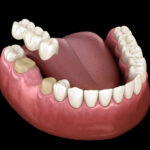

Losing a tooth can affect much more than the appearance of a smile. A missing tooth may change how a person chews, alter the balance of the bite, allow nearby teeth to shift, and contribute to gradual changes in the jawbone. Patients seeking a stable and natural-looking replacement can explore dental implants in Algonquin, IL at Dental Symphony.
Dental implants are designed to replace missing tooth roots and provide a secure foundation for crowns, bridges, or dentures. Because the implant is positioned within the jawbone, it can provide stability that closely resembles the support of a natural tooth.
Understanding how implants work, who may qualify, and what treatment involves can help patients make informed decisions about replacing one tooth, several teeth, or an entire arch.
What Is a Dental Implant?
A dental implant is a small post that is placed in the jawbone where a natural tooth root is missing. After placement, the surrounding bone gradually heals around the implant surface through a process known as osseointegration.
Once the implant is stable, it can support a customized dental restoration. Depending on the number of missing teeth, this restoration may be a dental crown, an implant-supported bridge, or an implant-supported denture.
A complete implant restoration commonly includes three main components:
- The implant post: This portion is positioned within the jawbone and serves as the replacement root.
- The abutment: This connector attaches to the implant and supports the visible restoration.
- The restoration: A crown, bridge, or denture is created to restore the visible teeth and chewing surface.
Each component plays a different role, but together they create a stable tooth-replacement system.
Why Replacing a Missing Tooth Matters
Some patients consider leaving a missing tooth space untreated, especially when the gap is not easily visible. However, even one missing tooth can affect the surrounding mouth over time.
Natural teeth rely on one another to maintain alignment and distribute biting pressure. When a tooth is removed, neighboring teeth may begin leaning or drifting toward the open space. The opposing tooth may also move because it no longer makes contact with a tooth in the other arch.
These changes can create new spaces, make certain areas harder to clean, and affect how the upper and lower teeth meet. Uneven bite pressure may increase wear on the remaining teeth or contribute to discomfort while chewing.
Replacing the missing tooth helps preserve the organization and function of the bite.
What Happens to the Jawbone After Tooth Loss?
Natural tooth roots transfer pressure into the jawbone during biting and chewing. This stimulation helps signal the body to maintain the surrounding bone.
After a tooth is lost, the area no longer receives the same type of stimulation. The body may gradually begin resorbing, or breaking down, some of the bone that previously supported the root.
Bone changes do not happen at the same rate for every patient. The location of the tooth, length of time it has been missing, gum health, medical history, smoking habits, and other factors can all influence the amount of change.
Over time, the ridge that once held the tooth may become narrower or shorter. This can affect the appearance of the gumline and may make future tooth replacement more complicated.
How Dental Implants Support Jawbone Health
Because a dental implant is positioned within the jawbone, it can transfer chewing pressure into the surrounding bone. This functional stimulation may help maintain bone in the area of the implant.
An implant does not recreate every biological feature of a natural tooth, but it can provide internal support that traditional removable appliances do not provide on their own.
Implants may be particularly valuable for patients replacing several teeth because strategically placed implants can support a larger restoration while helping stimulate multiple areas of the jaw.
How Missing Teeth Can Affect Facial Appearance
The teeth and jawbones help support the lips, cheeks, and lower facial profile. One missing tooth may not cause an immediate visible change, but the loss of several teeth can reduce support for surrounding facial tissues.
When many teeth are missing, the bite may lose vertical height. The distance between the nose and chin can decrease, and the lips or cheeks may appear less supported.
Replacing missing teeth can restore the shape and height of the bite. Implant-supported restorations may provide stable support for the lips and cheeks while helping patients regain a more natural facial appearance.
Dental Implant Options for Different Types of Tooth Loss
Single-Tooth Dental Implant
A single implant can replace one missing tooth without requiring the neighboring teeth to support the restoration. After the implant has integrated with the bone, a custom crown is attached.
The implant crown is designed to fit within the space, contact the neighboring teeth properly, and align with the opposing bite.
Implant-Supported Dental Bridge
When several adjacent teeth are missing, multiple implants may support a fixed bridge. The bridge replaces the visible teeth while the implants serve as anchors.
This approach may reduce the number of implants needed compared with replacing every missing tooth individually. The exact number and position of implants depend on the location of the missing teeth, bone structure, bite forces, and planned restoration.
Implant-Supported Denture
Patients missing most or all teeth in an arch may benefit from a denture supported by dental implants. The implants help improve stability and reduce movement during eating and speaking.
Some implant-supported dentures remain removable for daily cleaning, while others are fixed in place and removed only by a dental professional. The appropriate design depends on the patient’s needs, anatomy, hygiene abilities, and treatment goals.
Benefits of Dental Implants
- Stable tooth replacement: Implants are anchored within the jaw rather than resting only on the gums.
- Improved chewing ability: A secure restoration can make it easier to bite and chew a wider range of foods.
- Support for jawbone health: Chewing pressure is transferred through the implant into the surrounding bone.
- Protection of neighboring teeth: A single implant generally does not require adjacent healthy teeth to be reshaped for support.
- Natural-looking appearance: Implant restorations can be customized to complement the size, shape, and shade of surrounding teeth.
- Improved speech: Stable replacement teeth can reduce movement that may interfere with clear pronunciation.
- Support for facial tissues: Restoring missing teeth and bite height can improve support for the lips and cheeks.
- Long-term treatment potential: With proper care, implants are designed to provide durable tooth replacement.
- Greater confidence: Secure restorations may help patients feel more comfortable eating, speaking, laughing, and smiling.
- Versatile treatment: Implants can replace one tooth, several teeth, or an entire dental arch.
Who May Be a Candidate for Dental Implants?
Many adults with missing or failing teeth may be considered for implant treatment. Candidacy depends on more than age. The dentist evaluates the condition of the gums, available bone, overall health, medications, oral hygiene, and ability to heal.
A suitable candidate generally needs healthy oral tissues or a plan to treat active disease before implant placement. Gum disease and untreated infections can interfere with healing and increase the risk of complications.
Patients should also be willing to maintain daily oral hygiene and attend regular professional examinations. Dental implants require ongoing care even though they cannot develop cavities.
Does Age Prevent Someone From Receiving Implants?
Older age alone does not necessarily prevent implant treatment. Many older adults can receive implants successfully when their health and bone structure support the procedure.
For younger patients, implant placement is generally delayed until jaw growth is complete. Placing an implant too early could result in alignment or appearance problems as the surrounding teeth and jaw continue developing.
The dentist evaluates each patient individually rather than relying on age alone.
Medical Conditions and Dental Implant Planning
Health conditions do not automatically rule out implant treatment, but they may affect planning and healing. Patients should provide a complete medical history and medication list.
Conditions affecting bone metabolism, immune function, circulation, or blood sugar may require additional evaluation. Certain medications can also influence healing or the way bone responds to treatment.
Coordination with the patient’s physician may be appropriate when a medical condition is not well controlled or when medications create additional considerations.
Smoking and Dental Implants
Smoking can reduce blood flow, interfere with healing, and increase the risk of gum and bone complications around implants. Patients who smoke should discuss their habits honestly with the dentist.
Reducing or stopping tobacco use may improve healing and support the long-term health of the implant. Instructions may be provided for the period before and after surgery.
What If There Is Not Enough Bone for an Implant?
Some patients have adequate bone for implant placement without additional treatment. Others may have experienced bone loss because of long-term tooth absence, gum disease, infection, trauma, or natural anatomy.
Dental imaging helps the dentist evaluate the height, width, density, and shape of the available bone. Three-dimensional imaging may also be used to identify nearby nerves, sinus spaces, and other structures.
When bone volume is insufficient, bone grafting may be recommended. A graft can help rebuild or preserve the area so it can better support an implant.
What Is Bone Grafting?
Bone grafting is a procedure used to add or encourage the development of bone in an area where volume has been lost. The type of graft depends on the location and amount of bone needed.
A graft may be placed at the time of tooth extraction to preserve the shape of the socket. In other cases, grafting may be completed before implant placement, followed by a period of healing.
Not every implant patient needs a graft. The recommendation is based on clinical examination and imaging.
Why the Timing of Tooth Replacement Matters
Patients do not always need an implant immediately after losing a tooth. However, receiving an evaluation soon after tooth loss may help preserve more treatment options.
In selected cases, an implant can be placed at the same time as an extraction. In other situations, the extraction site must heal before implant placement.
If the tooth has been missing for several years, implant treatment may still be possible. Additional grafting or restorative planning may be needed if the ridge has changed significantly.
The Dental Implant Consultation
The implant process begins with a detailed consultation. The dentist reviews the patient’s goals, concerns, dental history, medical history, and previous experiences with tooth replacement.
The examination may include:
- Evaluation of the gums and remaining teeth
- Assessment of the missing tooth space
- Review of the bite and chewing patterns
- Dental X-rays or three-dimensional imaging
- Measurement of available bone
- Discussion of restoration options
- Review of healing time and treatment stages
- Identification of conditions that should be treated first
Careful planning helps determine the ideal implant size, position, angle, and final restoration.
What Happens During Dental Implant Placement?
The treatment area is numbed with local anesthesia. The dentist then creates a precise space within the jawbone and positions the implant according to the treatment plan.
The gum tissue is closed or shaped around the implant, depending on the technique being used. Instructions are provided for protecting the area during healing.
Some patients may receive a temporary restoration, while others need to avoid placing pressure on the implant during the early healing period. The approach depends on the implant’s stability, location, bite, and overall treatment plan.
How Long Does Dental Implant Healing Take?
Healing time varies according to the patient, implant location, bone quality, type of restoration, and whether grafting was performed.
During osseointegration, bone gradually forms a stable connection around the implant surface. This process generally requires several months, although every case is different.
Regular follow-up visits allow the dentist to monitor healing and determine when the implant is ready to support the final restoration.
What Does Implant Recovery Feel Like?
Mild swelling, tenderness, bruising, or sensitivity can occur after implant placement. These symptoms typically improve as healing progresses.
Patients should follow all aftercare instructions, including directions regarding medication, oral hygiene, diet, and activity. A soft-food diet may be recommended during the early stage of recovery.
Contact the dental office if swelling increases rather than improves, bleeding continues, pain becomes severe, the implant area feels unstable, or symptoms of infection develop.
Placing the Final Implant Restoration
After the implant has integrated with the jawbone, an abutment may be attached. Impressions or digital scans are then used to create the final restoration.
A single implant crown is designed to resemble the missing tooth and fit naturally within the bite. Implant bridges and dentures are planned to replace multiple teeth while distributing pressure across the supporting implants.
The dentist checks the appearance, fit, bite, and accessibility for cleaning before completing treatment.
Dental Implants Compared With Traditional Bridges
A traditional dental bridge replaces a missing tooth by using neighboring teeth for support. Those teeth are shaped and covered with crowns connected to the replacement tooth.
A single implant can replace a tooth without relying on adjacent teeth. This may be beneficial when the neighboring teeth are healthy and would not otherwise require crowns.
Traditional bridges remain appropriate for many patients, particularly when the supporting teeth already need restorative treatment or when implant surgery is not preferred. The best option depends on the condition of the entire mouth.
Dental Implants Compared With Removable Dentures
Traditional dentures rest on the gums and underlying ridge. They can restore many missing teeth without implant surgery, but they may move during chewing or speaking as the mouth changes over time.
Implant-supported dentures use implants to improve retention and stability. Patients may feel more confident eating and speaking because the appliance is less likely to shift.
Both traditional and implant-supported dentures require cleaning and professional maintenance. The dentist can explain the differences in treatment time, stability, hygiene, and long-term care.
Can Dental Implants Develop Cavities?
The implant and artificial restoration cannot develop tooth decay. However, the gums and bone around an implant can become inflamed or infected if plaque is not removed effectively.
Inflammation around an implant may begin with redness, swelling, tenderness, or bleeding during brushing. Without treatment, the condition can affect the supporting bone.
Daily cleaning and routine professional care are essential for protecting the implant.
How to Clean Around a Dental Implant
Implant restorations should be brushed twice daily using a soft-bristled toothbrush. The area near the gumline requires particular attention because plaque often collects around the edges of the restoration.
Floss, interdental brushes, water flossers, or other specialized tools may be recommended depending on the design of the crown, bridge, or denture.
Patients should use the tools and techniques recommended by the dental team. Aggressive cleaning with inappropriate instruments can irritate the tissues or scratch restoration surfaces.
Protecting Implants From Grinding and Clenching
Teeth grinding and clenching can place excessive pressure on implants, crowns, and natural teeth. Unlike natural teeth, implants do not have the same ligament system to absorb and respond to pressure.
A custom night guard may be recommended for patients who grind during sleep or show signs of heavy bite forces. The appliance helps distribute pressure and protect the restorations.
Foods and Habits That Can Damage Implant Restorations
Dental implants are designed for normal function, but implant crowns and bridges can still chip, loosen, or fracture.
Avoid chewing ice, hard candy, pens, fingernails, and other hard objects. Do not use implant teeth to open packages or cut materials.
Contact the dental office if an implant restoration feels loose, the bite changes, or chewing causes discomfort. Early evaluation may prevent a minor problem from becoming more extensive.
How Long Do Dental Implants Last?
Dental implants are intended to provide long-term tooth replacement, but their lifespan varies. Oral hygiene, gum health, smoking, medical conditions, bite forces, and routine maintenance all influence success.
The implant post may remain stable for many years, while the crown, bridge, or denture attached to it may eventually need repair or replacement because of normal wear.
Regular examinations help the dentist monitor the implant, surrounding bone, restoration, and bite.
Frequently Asked Questions About Dental Implants
Are dental implants painful?
Local anesthesia is used during implant placement to keep the treatment area comfortable. Temporary soreness or swelling may occur afterward, but patients receive instructions for managing the healing period.
Can dental implants be completed in one day?
Some patients may receive an implant and temporary restoration during one stage of treatment. However, the implant still requires time to integrate with the jawbone. The final treatment timeline depends on bone quality, implant stability, healing, and the planned restoration.
Can a dental implant replace a front tooth?
Yes. An implant can replace a missing front tooth when the bone and gums support treatment. Careful planning is especially important in visible areas because the position of the implant affects the final appearance.
Can several missing teeth be replaced with implants?
Yes. Multiple implants can support a fixed bridge or implant-supported denture. Every missing tooth does not necessarily require its own implant.
Is bone grafting always required?
No. Bone grafting is recommended only when the available bone cannot adequately support the planned implant or restoration.
Can older adults receive dental implants?
Many older adults may qualify for implant treatment. Overall health, bone condition, gum health, and healing ability are generally more important than age alone.
Can implants fail?
Implant complications can occur because of infection, poor healing, excessive pressure, smoking, medical factors, or inadequate bone integration. Careful planning and ongoing maintenance help reduce risk.
Do implant teeth need professional cleanings?
Yes. Professional visits allow the dental team to remove deposits, monitor the surrounding tissues, evaluate the bite, and inspect the restoration.
Restore Missing Teeth With Dental Implants in Algonquin
Dental implants can restore chewing function, support jawbone health, protect neighboring teeth, and create a natural-looking smile. The treatment plan should be based on the number of missing teeth, condition of the bone and gums, overall health, and the patient’s long-term goals.
Patients interested in replacing one tooth, several teeth, or a complete arch can contact Dental Symphony in Algonquin, IL. Call (847) 474-9533 to schedule a dental implant consultation and learn which tooth-replacement options may be right for your smile.
“`