
Completing a root canal can relieve pain and preserve a tooth that might otherwise be lost, but removing the infection is only one part of restoring the tooth for long-term use. After root canal therapy in Algonquin, IL, many teeth need an additional restoration to seal and protect the remaining structure.
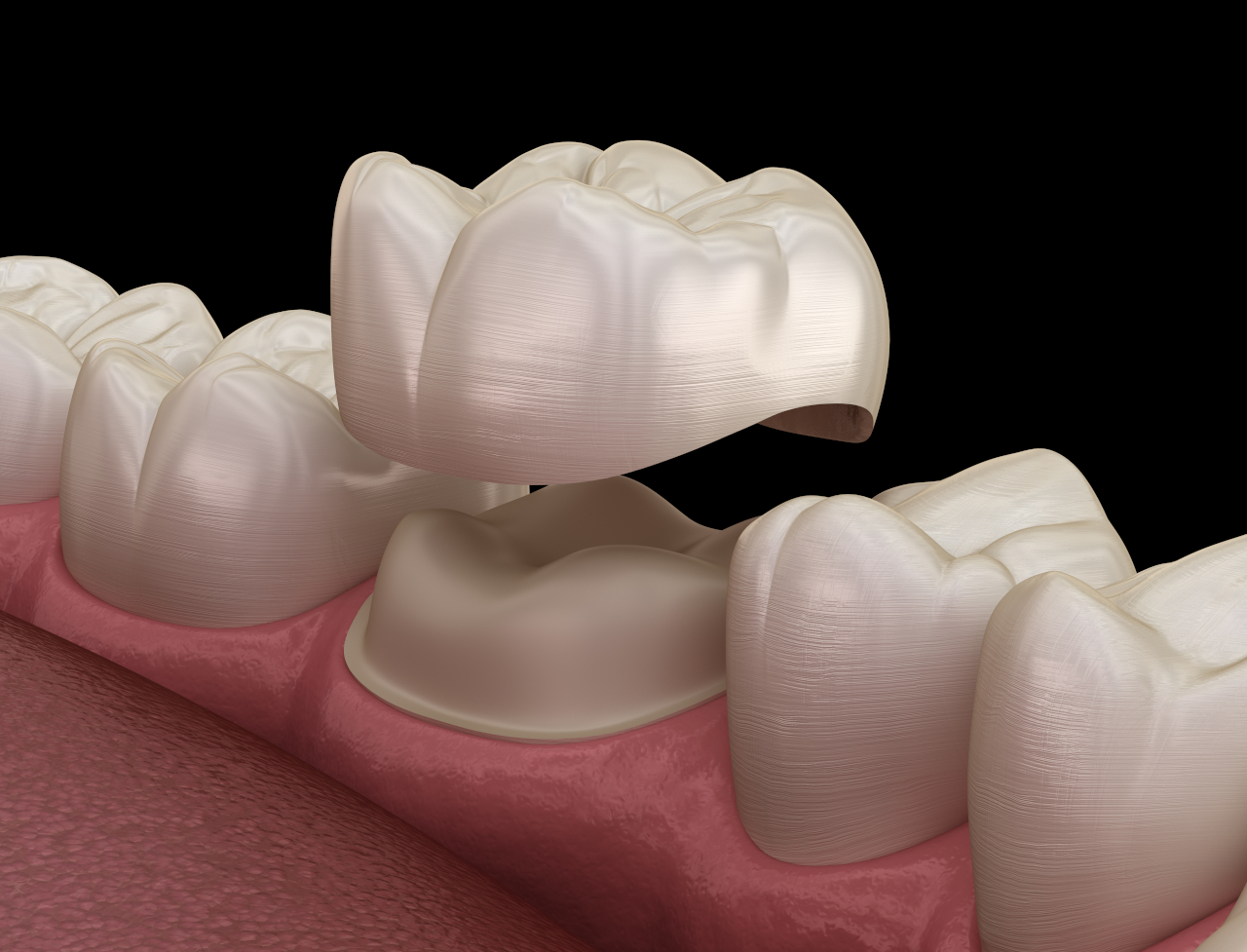
For back teeth and teeth that have lost a significant amount of enamel, a dental crown may be recommended after root canal treatment. The crown surrounds the weakened tooth, restores its chewing surface, and helps reduce the risk of fracture during normal function.
Not every root canal tooth requires exactly the same restoration. The recommendation depends on the location of the tooth, how much healthy structure remains, existing fillings, cracks, bite forces, and other individual factors.
What Happens to a Tooth During Root Canal Therapy?
Inside every natural tooth is a pulp chamber containing nerves, blood vessels, and connective tissue.
Deep decay, fractures, or trauma can cause this tissue to become inflamed or infected.
During root canal therapy, the dentist:
- Accesses the inner portion of the tooth
- Removes infected or inflamed pulp tissue
- Cleans and shapes the root canals
- Disinfects the internal spaces
- Seals the canals to reduce the risk of reinfection
The tooth remains in the mouth and can continue functioning after it is properly restored.
Why Can a Root Canal Tooth Be Weaker?
A tooth that needs root canal therapy is often already structurally compromised before treatment begins.
It may contain:
- A deep cavity
- A large existing filling
- A fracture
- Missing enamel
- Previous restorative work
Additional tooth structure must also be accessed during the root canal procedure.
This combination can leave the remaining tooth more vulnerable to fracture under chewing pressure.
What Is a Dental Crown?
A dental crown is a customized restoration that covers the visible portion of a tooth above the gumline.
The crown restores the tooth’s:
- Shape
- Size
- Chewing surface
- Appearance
- Structural protection
Tooth-colored crown materials can be selected to coordinate with surrounding teeth.
Why Are Crowns Common After Root Canals?
Back teeth withstand substantial chewing forces every day.
If a molar or premolar has lost significant structure because of decay or previous fillings, placing only a small restoration over the root canal access may not provide enough protection.
A crown surrounds the remaining tooth and helps distribute pressure across a broader surface.
The goal is to reduce the risk that a weakened section will break during chewing.
Does Every Root Canal Need a Crown?
No. The final restoration should be based on the individual tooth.
Front teeth generally experience different forces from molars and may retain more natural structure.
In selected cases, a filling or another restoration may be appropriate after root canal therapy.
The dentist considers:
- Tooth location
- Amount of remaining enamel
- Existing fillings
- Cracks
- Bite forces
- Grinding or clenching
- Cosmetic considerations
Benefits of Restoring a Root Canal Tooth With a Crown
- Additional structural protection: A crown surrounds weakened areas of the tooth.
- Reduced fracture risk: Broader coverage can help distribute chewing pressure.
- Restored chewing surface: The crown rebuilds anatomy that may have been damaged by decay or previous restorations.
- Improved appearance: Tooth-colored materials can restore the visible portion of the tooth.
- Sealing of the treated tooth: The final restoration helps protect the internal root canal treatment from oral bacteria.
- Support for long-term function: A properly restored tooth can continue participating in normal biting and chewing.
- Preservation of the natural tooth: Root canal treatment followed by appropriate restoration can allow the tooth to remain in the mouth instead of being extracted.
Why the Final Restoration Should Not Be Delayed
After root canal treatment, a temporary filling may be placed while the tooth awaits its final restoration.
Temporary materials are not intended to provide permanent protection under full chewing pressure.
Delaying the crown or other recommended restoration may increase the risk of:
- Fracture
- Temporary filling loss
- Contamination
- Damage requiring additional treatment
Patients should follow the treatment timeline recommended by the dentist.
Can You Eat Normally Before the Crown Is Placed?
Patients may be instructed to avoid chewing heavily on the treated tooth while it is protected by a temporary restoration.
Hard, sticky, or crunchy foods may place excessive force on a weakened tooth or temporary filling.
Once the final crown is placed and the dentist confirms that the bite is comfortable, patients can generally return to normal chewing according to individualized instructions.
What Happens During Crown Preparation?
The tooth is evaluated to confirm that it is ready for its final restoration.
The remaining tooth structure is shaped to create room for the crown.
Any unstable or damaged restorative material is addressed, and the tooth may be rebuilt internally if additional support is needed.
Detailed impressions or digital scans are then taken to record:
- The prepared tooth
- Neighboring teeth
- The opposing arch
- The patient’s bite
These records are used to create the final crown.
What Is a Core Buildup?
If a tooth has lost a significant amount of structure, there may not be enough natural enamel and dentin remaining to create the proper shape for a crown.
A core buildup uses restorative material to rebuild the missing portion of the tooth before the crown is placed.
The buildup becomes the foundation over which the crown fits.
What Is a Post?
Some root canal treated teeth require additional internal retention for a buildup.
In selected cases, a post may be placed within part of the root canal space.
A post does not strengthen the tooth by itself. Its primary purpose is to help retain the core when too little coronal tooth structure remains.
Not every root canal tooth needs a post.
What Happens During Crown Placement?
The temporary restoration is removed and the final crown is evaluated.
The dentist checks:
- Fit
- Tooth contacts
- Shade
- Shape
- Gum relationship
- Bite
Adjustments are made as needed before the crown is permanently cemented.
Does Getting a Crown After a Root Canal Hurt?
The tooth no longer contains the same living pulp tissue after root canal therapy, but the surrounding gums and supporting tissues remain sensitive.
Local anesthesia may still be used during crown preparation to maintain comfort.
Minor gum tenderness or bite awareness can occur after placement.
Persistent pain or an uneven bite should be reported.
Why Can a Root Canal Tooth Still Feel Pressure?
Root canal treatment removes the nerve tissue from inside the tooth, but the structures surrounding the root remain alive.
These tissues can detect pressure and inflammation.
It is therefore possible for a treated tooth to feel tender when biting during the initial healing period.
Symptoms should gradually improve. Increasing pain, swelling, or persistent discomfort should be evaluated.
Can a Root Canal Tooth Break Before Getting a Crown?
Yes. This is one of the reasons patients are often advised to avoid heavy chewing on the tooth until the final restoration is completed.
A tooth that has already lost significant structure may fracture under normal or excessive bite forces.
The severity of the fracture determines whether the tooth can still be restored.
What Happens If a Root Canal Tooth Cracks?
The outcome depends on the location and depth of the crack.
A limited fracture may still allow restoration.
A crack extending deeply through the root may make the tooth impossible to predictably save.
Early crown placement can help reduce the risk of certain fractures in vulnerable teeth, although no restoration can eliminate all risk.
Can a Root Canal Tooth Get Infected Again?
Yes. Root canal treatment has a high rate of success, but reinfection is possible.
Possible contributing factors include:
- New decay
- A leaking restoration
- A crack
- Loss of the temporary filling
- Complex root anatomy
- New bacterial contamination
A well-sealed final restoration is an important part of protecting the treated tooth.
Can a Crown Get a Cavity?
The crown itself cannot develop decay, but the natural tooth near the crown margin can.
Plaque may collect around the area where the restoration meets the tooth.
Daily brushing, flossing, and professional cleanings remain essential.
How Long Can a Root Canal Tooth With a Crown Last?
A properly treated and restored tooth can remain functional for many years.
Longevity depends on:
- Amount of remaining tooth structure
- Quality of the root canal treatment
- Quality of the final restoration
- Oral hygiene
- Cavity risk
- Grinding and clenching
- Gum health
- Routine dental maintenance
No dental restoration should be considered permanent, but appropriate care can support long-term function.
Root Canal and Crown Versus Extraction
When a tooth can be predictably saved, root canal therapy and restoration allow the natural tooth to remain part of the bite.
Extraction removes the tooth completely and creates a space that may later need to be replaced.
Replacement options may include:
- Dental implants
- Dental bridges
- Partial dentures
Whether saving or removing the tooth is appropriate depends on the amount of remaining structure, root condition, bone support, cracks, and overall prognosis.
Why Saving a Natural Tooth Can Be Valuable
Natural teeth are designed to work with surrounding bone, ligaments, muscles, and neighboring teeth.
When a tooth can be successfully treated, preserving it avoids creating a new gap and the need for tooth replacement.
Root canal therapy is specifically intended to remove infected internal tissue while retaining the external tooth and root.
Can You Whiten a Root Canal Tooth?
A root canal treated tooth may sometimes darken, particularly if it has experienced trauma or previous internal changes.
Standard external whitening does not always affect this discoloration in the same way it affects healthy natural enamel.
The appropriate cosmetic solution depends on the tooth and planned restoration.
A crown can improve both strength and visible appearance when full coverage is clinically indicated.
Can You Get a Crown Without a Root Canal?
Yes. Many crowns are placed on teeth that have never undergone root canal therapy.
A crown may be recommended because of:
- A large filling
- A major fracture
- Severe tooth wear
- Extensive decay
- Structural weakness
Root canal therapy is only necessary when the pulp becomes sufficiently damaged, inflamed, or infected.
Can a Crown Cause a Tooth to Need a Root Canal?
Most crowned teeth do not automatically require root canal therapy.
However, a tooth that already has deep decay, a large filling, cracks, or previous trauma may have an increased risk of pulp problems regardless of whether it receives a crown.
The dentist evaluates the health of the tooth before treatment and monitors symptoms afterward.
How Do You Care for a Crowned Root Canal Tooth?
The restored tooth should be cared for much like other teeth.
- Brush twice daily with fluoride toothpaste.
- Floss around the crown every day.
- Attend routine dental examinations.
- Avoid chewing ice and hard nonfood objects.
- Use a night guard if recommended for grinding.
- Report unusual sensitivity, swelling, or bite changes.
Can Grinding Damage a Crowned Root Canal Tooth?
Yes. Root canal treatment does not make a tooth immune to mechanical stress.
Heavy grinding can contribute to:
- Crown wear
- Porcelain fracture
- Loosening
- Damage to remaining tooth structure
Patients with bruxism may benefit from a custom night guard.
Signs a Crowned Root Canal Tooth Needs Evaluation
Contact the dental office if you notice:
- New swelling
- Pain while chewing
- A loose crown
- A chipped restoration
- A pimple-like bump on the gums
- Persistent bad taste
- A change in the bite
- Food repeatedly becoming trapped near the crown
Early evaluation can identify whether the issue involves the crown, surrounding gums, bite, or root canal treated tooth.
Frequently Asked Questions About Crowns After Root Canals
Does every root canal need a crown?
No. The final restoration depends on tooth location, remaining structure, cracks, existing restorations, and bite forces. Back teeth commonly require crowns because they experience heavier chewing pressure.
Why does a root canal tooth need extra protection?
The tooth may already have lost substantial structure from decay, fractures, or previous fillings, making it more vulnerable to future damage.
How soon should a crown be placed after a root canal?
The appropriate timing depends on the tooth and treatment plan. Patients should follow the recommended schedule and avoid unnecessary delay.
Can I chew on a tooth before the permanent crown is placed?
Patients are commonly advised to avoid heavy chewing on a weakened tooth or temporary restoration until the final crown is completed.
Can a root canal tooth break?
Yes. A tooth can fracture when too little healthy structure remains or when it experiences excessive bite forces.
Can a crowned root canal tooth get another infection?
Reinfection is possible if bacteria gain access through new decay, a leaking restoration, a crack, or another pathway.
Can a crowned tooth still get a cavity?
Yes. Natural tooth structure near the crown margin remains vulnerable to decay.
Can a root canal tooth last for many years?
Yes. A properly treated and restored tooth can remain functional for many years with good oral hygiene and professional maintenance.
Is it better to save a tooth with a root canal or extract it?
When the tooth can be predictably restored, saving the natural tooth is often desirable. Extraction may be necessary when damage makes restoration unreliable.
Protect Your Root Canal Tooth With the Right Restoration
Root canal therapy treats the infection inside a tooth, but long-term success also depends on restoring the tooth afterward. For many molars, premolars, and structurally weakened teeth, a dental crown provides the coverage needed to return to normal chewing while reducing the risk of fracture.
Patients who need root canal therapy or a final restoration after treatment can contact Dental Symphony in Algonquin, IL. Call (847) 474-9533 to schedule an evaluation and learn how root canal therapy and restorative dentistry can help preserve your natural tooth.