A routine dental appointment is about more than checking for cavities and removing plaque. The soft tissues throughout the mouth also deserve careful attention because changes involving the tongue, lips, cheeks, gums, throat, or other oral structures may sometimes require additional evaluation. Dental Symphony includes oral cancer screenings in Algonquin, IL as part of its preventive approach to monitoring oral health.
An oral cancer screening is generally quick, noninvasive, and incorporated into a comprehensive dental examination. The dentist looks and feels for unusual tissue changes that may not be painful or obvious to the patient. Most unusual areas are not necessarily cancerous, but identifying a persistent change early makes it possible to determine whether additional evaluation is appropriate.
Understanding what happens during an oral cancer screening, which changes deserve attention, and why routine examinations matter can help patients take a more proactive approach to their oral and overall health.
What Is an Oral Cancer Screening?
An oral cancer screening is an examination of the mouth and nearby structures for unusual changes that may require monitoring or additional evaluation.
The screening may involve examining:
- The lips
- The inside of the cheeks
- The gums
- The tongue
- The floor of the mouth
- The roof of the mouth
- The back of the throat
- Other visible and accessible oral tissues
The dentist may also gently feel selected areas of the jaw, neck, or oral tissues depending on the examination.
The purpose is not to diagnose every unusual area immediately. It is to identify changes that may deserve closer observation, follow-up, or referral for additional evaluation.
Why Is Oral Cancer Screening Part of Preventive Dentistry?
Preventive dentistry focuses on identifying problems before they become more difficult to manage.
The same principle applies to oral tissue changes.
Patients may regularly inspect their teeth in the mirror but overlook areas beneath the tongue, toward the back of the mouth, or along other soft tissues.
Routine dental visits create repeated opportunities for a trained professional to compare the appearance of these structures over time.
Does Oral Cancer Always Cause Pain?
No. Some concerning tissue changes may initially be painless.
This is one reason patients should not rely on discomfort as the only signal that something requires attention.
A persistent sore, unusual patch, lump, or other change may deserve evaluation even when it does not hurt.
Many minor injuries and irritations heal normally. The concern increases when a change persists rather than resolving as expected.
What Does a Dentist Look for During an Oral Cancer Screening?
The dentist looks for changes in color, texture, shape, symmetry, and tissue condition.
Examples can include:
- Sores that do not appear to be healing
- Unusual red areas
- Unusual white areas
- Mixed red and white patches
- Lumps or thickened tissues
- Areas that appear ulcerated
- Unexplained tissue changes
- Persistent irritation
- Changes in the tongue or floor of the mouth
Finding one of these changes does not automatically mean cancer is present. Many dental, medical, traumatic, or inflammatory conditions can affect oral tissues.
The purpose of the screening is to determine whether something should be monitored or investigated further.
What Symptoms Should Patients Pay Attention To?
Patients should contact a dental or medical professional when they notice a persistent or unexplained change such as:
- A mouth sore that does not heal
- A lump in the mouth or neck
- Unusual red or white tissue
- Persistent throat discomfort
- Difficulty swallowing
- Persistent hoarseness
- Unexplained numbness
- Changes in tongue movement
- Unexplained bleeding
- A persistent feeling that something is caught in the throat
These symptoms have many potential causes and are not automatically signs of cancer. Persistent symptoms deserve evaluation so their cause can be identified.
How Long Should a Mouth Sore Last?
Minor mouth injuries often improve within a relatively short period.
A patient may accidentally bite the cheek, burn the roof of the mouth with hot food, or develop irritation from a sharp tooth or dental appliance.
When an area remains present for approximately two weeks or continues to worsen instead of healing, it is reasonable to have it evaluated.
Patients do not need to wait for their next scheduled cleaning if they are concerned about a persistent change.
Benefits of Oral Cancer Screenings
- Routine monitoring of oral tissues: Regular examinations provide opportunities to notice changes over time.
- Evaluation of areas patients may not see: The dentist can examine tissues beneath the tongue, toward the back of the mouth, and in other difficult-to-view areas.
- Early identification of suspicious changes: Persistent sores, patches, or lumps can be recognized and evaluated sooner.
- Noninvasive examination: Screening is generally incorporated into a normal dental examination without surgery or extensive preparation.
- Opportunity for follow-up: An unusual area can be documented, monitored, or referred for further evaluation when necessary.
- Broader preventive care: Oral cancer screening expands the dental examination beyond cavities and gum disease.
- Greater patient awareness: Patients can learn which changes should prompt professional attention between routine visits.
What Happens During the Visual Examination?
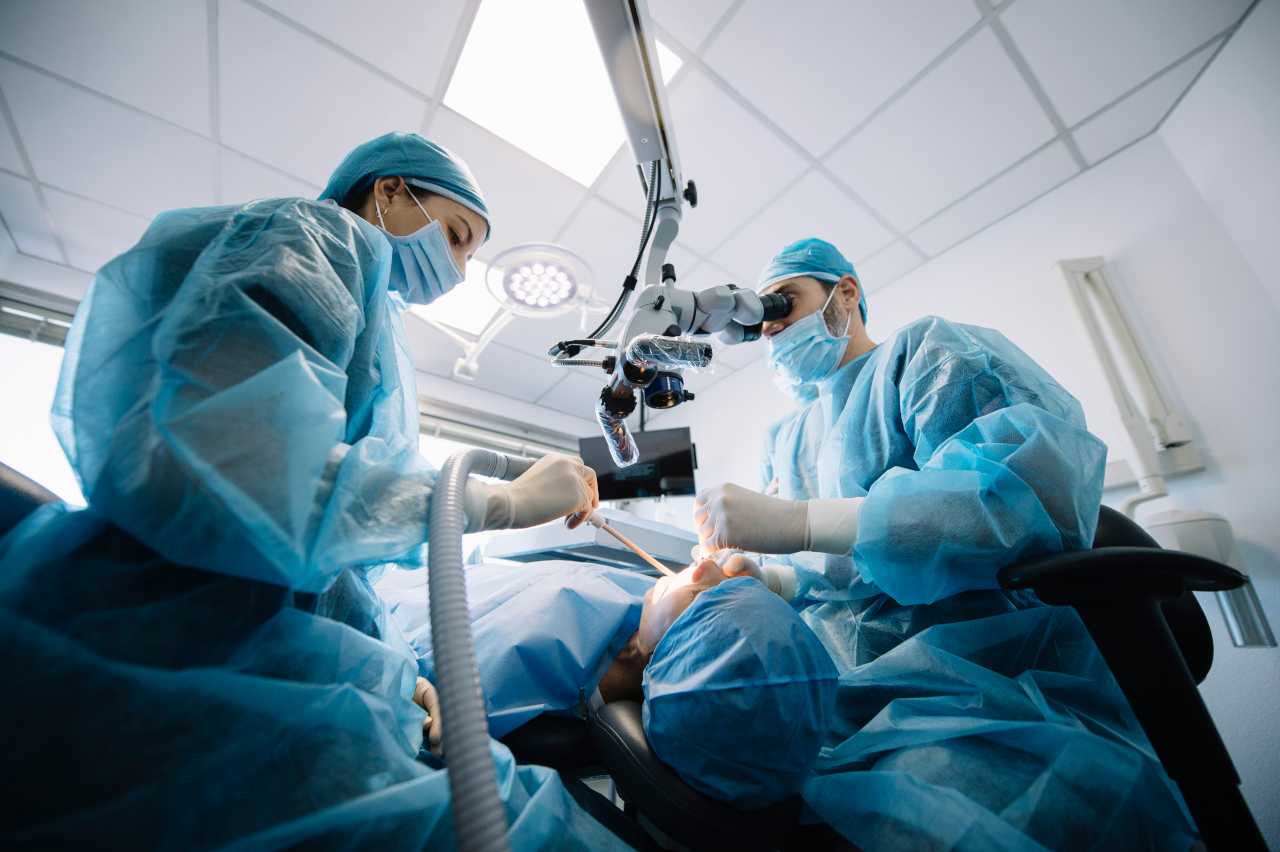
The dentist looks carefully at the visible soft tissues of the mouth.
A light and dental mirror may be used to improve visibility.
The tongue may be gently moved so its sides and underside can be examined.
The dentist may also inspect the cheeks, gums, palate, floor of the mouth, lips, and other structures.
The process is typically completed as part of the broader oral examination.
What Is a Palpation Examination?
Palpation means gently feeling tissues with the fingers.
A dentist may feel selected areas to identify unusual firmness, swelling, tenderness, or asymmetry.
Some tissue changes are easier to detect through touch than vision alone.
The exact examination varies depending on the patient’s history and findings.
Can Dentists Diagnose Oral Cancer During a Routine Exam?
A routine screening can identify an area that appears unusual, but a definitive diagnosis may require additional testing.
If a tissue change is concerning, the dentist may recommend:
- Follow-up observation
- Additional examination
- Referral to another healthcare professional
- Biopsy or other diagnostic testing when appropriate
A biopsy involves examining tissue microscopically and may be necessary to determine exactly what a suspicious area represents.
What Is a Biopsy?
A biopsy is a diagnostic procedure in which a small tissue sample is collected and evaluated by a laboratory or specialist.
Not every mouth sore or unusual patch needs a biopsy.
The recommendation depends on factors such as:
- Appearance
- Location
- Duration
- Changes over time
- Patient history
- Associated symptoms
The dentist can help determine whether additional evaluation is necessary.
Who Should Receive Oral Cancer Screenings?
Oral tissue evaluation is an important part of comprehensive preventive dental care for adults.
Some individuals may have additional risk factors, but patients without obvious risk factors can still develop abnormal tissue changes.
Routine screening is valuable because it does not depend solely on whether the patient considers themselves high risk.
How Does Tobacco Affect Oral Cancer Risk?
Tobacco exposure is an important risk factor for oral disease.
This can include combustible tobacco and other tobacco products.
Tobacco can also contribute to:
- Gum disease
- Tooth staining
- Bad breath
- Delayed healing
- Changes in oral tissues
Patients should accurately report tobacco use during dental appointments so the dentist can account for relevant risk factors.
Does Alcohol Affect Oral Cancer Risk?
Heavy alcohol consumption is another recognized risk factor for oral and throat cancers.
Patients should provide an accurate health history when discussing preventive care.
This does not mean every person who drinks alcohol will develop oral cancer. Risk reflects multiple factors rather than one single behavior.
What Is the Connection Between HPV and Oral Cancer?
Certain strains of human papillomavirus, commonly known as HPV, are associated with cancers affecting areas of the mouth and throat.
These cancers may not always be associated with the same visible changes seen in other oral conditions.
Patients should discuss persistent throat symptoms, unexplained neck lumps, swallowing problems, or other concerns with an appropriate healthcare professional.
Can Sun Exposure Affect the Lips?
The lips are exposed to ultraviolet radiation just like other skin surfaces.
Long-term sun exposure can contribute to lip damage.
Using appropriate lip protection and monitoring persistent changes can be part of a broader preventive approach.
A sore or unusual area on the lip that does not heal deserves professional evaluation.
Can Dentures Cause Mouth Sores?
Yes. An ill-fitting denture may rub against oral tissues and create irritation.
Many denture-related sore spots are caused by mechanical pressure rather than serious disease.
However, persistent irritation should still be evaluated.
A denture may need adjustment, relining, repair, or replacement if it is repeatedly injuring the same tissue.
Can a Sharp Tooth Cause a Persistent Sore?
A chipped tooth, rough filling, broken crown, or other sharp dental surface may repeatedly irritate the tongue or cheek.
Treating the source of the irritation often allows the tissue to heal.
If the area remains abnormal even after the source has been corrected, additional evaluation may be recommended.
What About Canker Sores?
Canker sores are common and are not the same thing as oral cancer.
They typically appear as small painful ulcers inside the mouth and often heal without treatment.
Patients should seek evaluation when a sore is unusually large, recurring frequently, accompanied by other concerning symptoms, or does not heal within an expected period.
Can Oral Cancer Screening Be Done During a Cleaning?
Oral cancer screening is generally incorporated into the comprehensive dental examination associated with preventive care.
A dental cleaning focuses on removing plaque and tartar, while the examination allows the dentist to evaluate the teeth, gums, bite, restorations, and soft tissues.
Patients should continue scheduling comprehensive examinations even when they feel that their teeth are clean and comfortable.
How Often Should Oral Tissues Be Examined?
Many patients receive an oral tissue examination during routine dental visits.
The appropriate dental schedule depends on individual health, risk factors, and previous findings.
Patients with a previously identified tissue change may be asked to return sooner for monitoring.
Any new persistent symptom should be evaluated rather than waiting solely for the next routine appointment.
Can Oral Cancer Screening Prevent Cancer?
A screening does not prevent cancer from developing.
Its purpose is to identify suspicious or persistent changes that may warrant additional evaluation.
Preventive strategies can also include limiting known risk factors and maintaining regular dental and medical care.
Why Dental Visits Matter Even Without Tooth Pain
A patient can have no toothache and still benefit from preventive care.
Routine examinations may identify:
- Small cavities
- Gum inflammation
- Failing restorations
- Tooth wear
- Changes in the bite
- Soft tissue abnormalities
This broader view is one reason preventive dentistry remains valuable even for patients who believe their teeth feel completely normal.
How to Perform a Basic Mouth Self-Check
Patients should not attempt to diagnose themselves, but becoming familiar with the normal appearance of the mouth can make changes easier to notice.
Using good lighting and a mirror, occasionally look at:
- The lips
- Front and sides of the tongue
- Visible gums
- Inside surfaces of the cheeks
- Roof of the mouth when visible
Notice whether a new sore, lump, color change, or other abnormality persists.
A self-check does not replace a professional examination.
What Should You Do If You Find an Unusual Area?
Avoid panicking. Many oral changes are caused by minor injuries, infections, dental irritation, or other noncancerous conditions.
Make note of when you first noticed the area.
If it persists, worsens, repeatedly returns, or is accompanied by other symptoms, schedule a professional evaluation.
Earlier evaluation is preferable to ignoring a change for months because it does not hurt.
Frequently Asked Questions About Oral Cancer Screening
Does an oral cancer screening hurt?
No. Routine screening is generally visual and tactile and should not be painful.
How long does an oral cancer screening take?
The screening is typically completed as part of a comprehensive dental examination and generally requires only a short amount of additional time.
Does an unusual mouth sore mean I have oral cancer?
No. Many sores result from trauma, irritation, infection, or other noncancerous conditions. Persistent changes should still be evaluated.
What does a dentist look for during an oral cancer screening?
The dentist evaluates oral tissues for persistent sores, unusual red or white areas, lumps, thickening, changes in texture, and other abnormalities.
Can oral cancer develop without pain?
Yes. Some early tissue changes may not be painful, which is one reason routine evaluation is important.
How long should I wait before having a mouth sore checked?
A sore that does not heal within approximately two weeks, continues worsening, or has other concerning features should be professionally evaluated.
Can dentures cause sores that look suspicious?
Ill-fitting dentures can irritate tissues and create sore areas. Persistent irritation should be examined and the denture may need adjustment.
Is oral cancer screening included in preventive dental care?
Dental Symphony includes oral cancer screening as part of its comprehensive preventive approach to evaluating the teeth, gums, and oral tissues.
Protect More Than Your Teeth With Preventive Dentistry in Algonquin
Routine dental care provides an opportunity to evaluate much more than cavities. Monitoring the tongue, lips, cheeks, gums, and other oral tissues helps identify changes that patients may not notice on their own, particularly when those changes do not cause pain.
Patients who are due for a comprehensive dental examination or have noticed a persistent mouth sore, lump, or other tissue change can contact Dental Symphony in Algonquin, IL. Call (847) 474-9533 to schedule a preventive dental visit and oral health evaluation.